Where to Buy First Aid Supplies Online in Canada: Trusted Sources
If you manage safety for a company, a school, a recreation program, or a busy household, you learn quickly that first aid readiness lives and dies on small details. Pads expire, gloves rip, oxygen cylinders need hydrostatic tests, and a scheduled training day derails if the courier misses your manikin lungs shipment. Buying first aid supplies online in Canada is convenient, but the difference between a smooth operation and a scramble often comes down to where you buy and how you vet your sources.
This guide draws on hard lessons from outfitting multi‑site workplaces across provinces and supporting volunteer responders in remote communities. It covers the best places to source first aid supplies online in Canada, how to check a retailer’s credentials, product and shipping pitfalls in our climate, and specifics for AEDs, training gear, oxygen, and CPR items. The goal is to help you purchase with confidence, avoid counterfeits, and keep your kits serviceable year‑round.
What counts as a trusted source
Trusted does not mean the prettiest website or the lowest line item. It means a seller who is authorized to carry what you need, who documents their regulatory status, and who can deliver promptly across your geography. In practical terms, look for three things: authorization and licensing, transparent product traceability, and logistics that match Canadian realities.
For medical devices and related supplies in Canada, legitimate sellers hold a Medical Device Establishment Licence (MDEL) when required. They post it, send it on request, and do not hesitate to provide Health Canada Medical Device Licence numbers for devices like AEDs. Items classified as drugs in Canada, including medical oxygen, require a Drug Identification Number (DIN) or an equivalent authorization. Reputable sellers list DINs on product pages or packing slips and handle transport rules for dangerous goods without drama.
Traceability shows up in https://sethvscw410.theburnward.com/defibtech-aed-training-units-canada-comparing-models-for-your-classroom-1 lot numbers on invoices, clear expiry dates on consumables, and easy access to Safety Data Sheets. If a seller shrugs off a request for a SDS for an antiseptic or cannot confirm if AED pads are within 18 months of expiry, move on. Expired or near‑expired consumables do not save money. They create failures.
Logistics is more than shipping speed. A retailer that claims next‑day delivery to every postal code in February has not shipped enough to Nunavut or rural British Columbia. A good partner knows when to use Canada Post for PO boxes, when to pre‑chill gel ice packs to prevent leaks, and how to flag an address that requires a call‑ahead.
Where to buy: dependable categories and real‑world picks
Canada has a mature ecosystem of safety and medical distributors. The best source depends on your mix of needs: regulated devices versus training gear, one‑off household orders versus corporate replenishment, and urban versus remote delivery. Below are categories that consistently perform, along with examples you can evaluate. Company inclusion here is based on demonstrated capability and reputation, not paid placement.
National medical distributors handle depth and breadth. If you are outfitting clinics, industrial sites, or large offices, companies like Medline Canada and Cardinal Health Canada carry bandaging, antiseptics with DINs, diagnostic tools, and regulated devices. They understand MDEL obligations and provide lot tracking and SDS libraries. Pricing becomes attractive at volume, and they are comfortable with standing orders and formulary control. You will need to open a business account and align SKUs with your standards.
Specialist first aid retailers focus on kits, refills, and training accessories. Think of First Aid Canada, First Edition First Aid, and Rescue7. They stock workplace kits that meet provincial regulations, bleeding control supplies, eyewash stations, and a healthy range of AEDs and accessories. These sellers are often authorized dealers for brands like Zoll and Defibtech, making them a reliable source for Zoll AED accessories Canada wide. You can order replacement electrode pads, batteries, wall cabinets, and signage with confidence. Many also supply Defibtech AED training units Canada customers use for Red Cross or Heart & Stroke courses, along with training pads and remote controls.
Industrial safety suppliers like Levitt‑Safety, Acklands‑Grainger, and Guillevin International shine for PPE, eyewash, spill control, and first aid cabinets that can take a beating in shop environments. They are strong on compliance documentation and can offer vendor‑managed inventory for multi‑site operations. Their online catalogs integrate well with purchasing systems, and they maintain coast‑to‑coast warehouses, which shortens lead times.
Pharmacies and retail chains fill gaps and household needs. Shoppers Drug Mart, London Drugs, and Well.ca carry consumer first aid items, thermometers, over‑the‑counter antiseptics, and some basic splints. This is not where you buy an AED, but it is a practical option for minor kit refills at home or when your usual distributor is backordered on small stuff. Delivery is fast in metro areas, though product traceability is thinner than medical distributors.
Brand‑authorized AED channels matter for anything that might be used in a resuscitation. For AEDs and related consumables, stick to authorized dealers listed on manufacturer websites. This reduces the risk of counterfeit pads or gray‑market batteries. In Canada, reputable AED‑focused sellers can supply Zoll AED accessories Canada customers need, including CPR‑D‑padz, adult and pediatric pads, lithium batteries, and mounting hardware. They also handle automated shipment reminders for expiring pads and batteries, one of the most common failure points in public access defibrillation programs.
Gas and respiratory suppliers are your partner for first aid oxygen supplies Canada regulations allow. Companies such as VitalAire, Linde (formerly Praxair), and Medigas provide medical oxygen cylinders, regulators, and refills, and they are built to manage Transport Canada requirements for compressed gases. Emergency oxygen programs may require a medical directive or prescriber of record depending on your province and organizational status. A responsible supplier will help you document the setup correctly, schedule cylinder exchanges, and keep you onside with hydrostatic test intervals.
Avoid relying on global third‑party marketplaces for regulated items. Counterfeit AED pads and unlicensed antiseptics do circulate on those platforms. If you do use them for non‑critical items like bandage shears or training accessories, verify the underlying seller’s Canadian licensing and product origin, and do not buy life‑sustaining consumables in that channel.
AEDs and accessories: what to insist on
An AED is a Class III medical device in Canada. That single fact drives the rest. Sellers should readily provide the Health Canada Medical Device Licence number for the device model you are buying, plus their MDEL. If they cannot, walk away. For accessories, pay attention to expiry windows, compatibility, and environmental storage ranges.
Zoll pads, for example, have integrated CPR feedback in some models and require precise model matching. When buying Zoll AED accessories Canada customers should see clear model references, like AED Plus versus AED Pro. Defibtech has different pads and batteries for the Lifeline series, and each accessory must match the unit’s software version. Watch pad expiry dates, which commonly range from 2 to 4 years unopened, and ask that shipments contain stock with at least 18 months remaining. Batteries vary in lifespan by brand and use pattern, often 4 to 7 years in standby. Keep a simple spreadsheet keyed to device serial numbers, pad lot numbers, and battery install dates. Several dealers now integrate this tracking into their portals and send reminders, which is worth the modest premium.
One operational note that only shows up after a few Canadian winters: AED pads do not like the cold. Many public cabinets hang in unheated lobbies or park facilities. Below freezing, adhesive gels stiffen and tear. If you must place an AED in a cold environment, use a heated cabinet rated for the local climate and verify power availability during off hours. On delivery day, do not leave cartons in an unheated vestibule. Let pads come up to room temperature before storage to prevent condensation inside the foil pouch.
Training units are a different story. Defibtech AED training units Canada instructors use are purpose‑built and not for patient use. They typically ship without the regulatory burden of live units and are therefore excellent candidates for online procurement with fast turnaround. Stock a couple of extra pairs of training pads, as they wear faster than you expect during multi‑class days.
First aid oxygen: proceed methodically
Oxygen changes the rules. In Canada, medical oxygen is treated as a drug, and cylinders fall under dangerous goods regulations for transport. You will see different valve types and regulator fittings, so buying the wrong hardware is easy if you do not standardize.
Start with your program’s clinical governance. Workplace programs that include oxygen administration usually operate under a medical directive. Community responder programs partnering with EMS also have defined protocols. Your oxygen supplier will ask for documentation, including the prescriber of record, intended use, and a site list. They will set up cylinder rental or purchase, hydrostatic test schedules, and delivery routes that meet Transport Canada Class 2.2 requirements. Do not try to bootstrap oxygen with ad hoc purchases from hobby or welding suppliers. The fittings and purity standards differ, and your insurance will not enjoy the conversation.
For first aid oxygen supplies Canada buyers commonly need, you will order cylinders (D or E size for portability), a regulator with a high‑flow setting and oxygen therapy flow rates, non‑rebreather masks, nasal cannulas, and a bag‑valve mask. Buy regulators and BVMs from established medical distributors, insist on product documentation, and store spares in sealed pouches. If your teams operate outdoors in winter, consider insulated cases and train responders to check for frosting on valves. You will need to plan for safe transport to and from refill points, especially in remote regions where resupply windows might be weeks apart.
CPR supplies and training gear that travel well
Core CPR supplies are easy to source online if you use reputable sellers. Nitrile gloves, pocket masks with one‑way valves, BVMs, trauma shears, triangular bandages, and roller gauze are standard. For training, manikins with feedback devices, lungs, face shields, and AED trainers should come from recognized educational vendors. When arranging CPR supply delivery Canada wide, ask your supplier to break large shipments into cases that can be staged at multiple locations. This lowers the chance that one lost pallet ruins a training cycle.
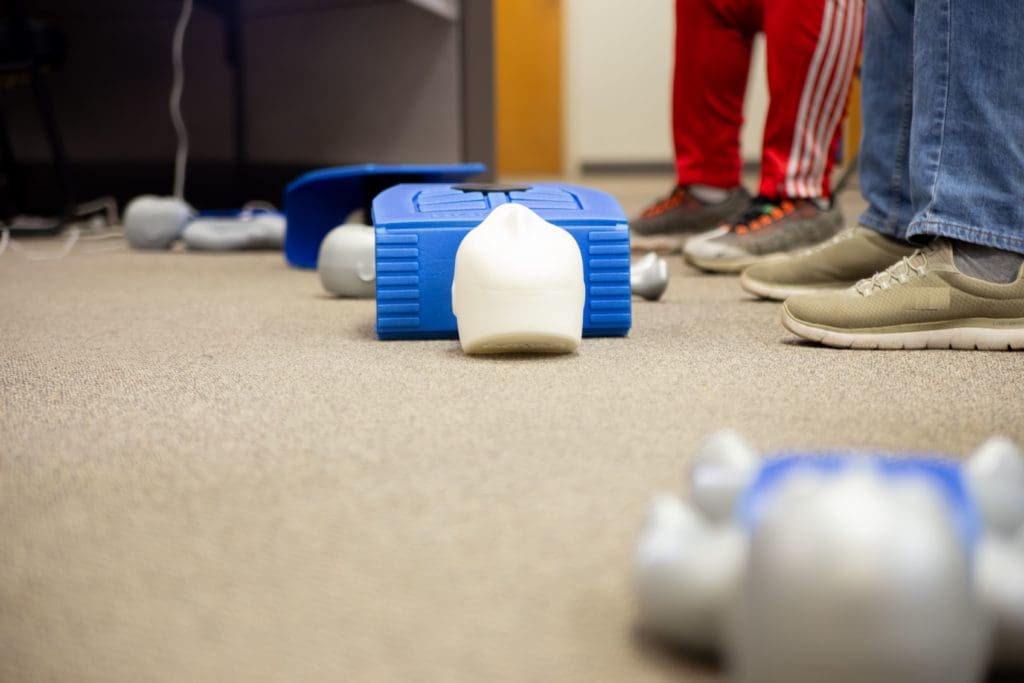
Small details matter. Pocket masks need to be sized correctly for pediatric courses, and BVMs should be stocked with spare diaphragms. If you use CPR manikins with electronics, batteries are the silent failure mode. Keep spare sets on the same invoice and establish a battery replacement schedule. Shipping lithium batteries requires specific labels, so order them with the equipment to avoid separate dangerous goods surcharges.
Provincial differences and compliance realities
Workplace first aid kit contents and training requirements vary by province and territory. An oil sands site in Alberta does not stock exactly the same kit as a design studio in Ontario. Reputable Canadian retailers map their kits to CSA Z1220 or to provincial standards and label them accordingly. If a seller cannot tell you which jurisdiction a kit meets, you are gambling.
Quebec buyers should expect bilingual labeling. Many national suppliers maintain Quebec‑specific product pages to ensure French packaging and instructions. For regulated products, check that the DIN or device information is present in both languages. Organizations buying for locations in Quebec should confirm QST registration handling on invoices.
Taxes matter more than most teams expect. HST applies in Ontario and the Atlantic provinces that harmonized, GST plus PST applies in British Columbia, Saskatchewan, Manitoba, and Quebec uses GST plus QST. Some medical supplies are zero‑rated or exempt, but the boundary is not always intuitive. Reputable sellers present tax lines correctly and can provide certificates for exempt items where applicable. If you are setting up a national account, ask for a tax code matrix tied to your SKU list.
Shipping realities in a big, cold country
Experience changes how you ship. Two winter specifics show up repeatedly. First, gel‑based items like cold packs and some electrode adhesives suffer in deep freezes. Ask the seller if they winterize packaging or delay shipping temperature‑sensitive items during cold snaps. Second, carriers behave differently outside urban cores. Canada Post often reaches PO boxes and some rural addresses that private couriers will not. Set your account to default to Canada Post for those postal codes and save yourself a reconsignment fee and a two‑week delay.
Expect 1 to 3 business days for metro‑to‑metro ground shipments, 3 to 6 days for rural within the same province, and 1 to 2 weeks for northern or remote communities when weather intervenes. A capable seller will show realistic transit windows at checkout. If a vendor consistently overpromises, plan for recurring shortages. For northern operations, consolidate orders monthly and keep a buffer stock equal to one full resupply cycle.
Returns policies are a tell. A serious medical supplier will not accept returns of temperature‑sensitive or sterile items once shipped, and they will say so clearly. They will, however, correct picking errors quickly and document corrective shipments. If you install AEDs at multiple sites, ask your seller to pre‑label cartons with the site name so receiving teams do not mix pads and batteries between models.
How to vet an online seller quickly
Use a short, disciplined review before placing a first order. Ask for documents, probe a little, then place a small trial order for time‑sensitive items. Your goal is to confirm they are licensed, transparent, and competent at shipping to your addresses.
Vendor quick‑vet checklist:
- Confirm MDEL and, for any Class II or higher device, the Health Canada device licence number.
- Ask for sample invoices showing lot numbers and expiry dates, plus links to SDS for at least two items.
- Verify authorized dealer status for branded AEDs and accessories on the manufacturer’s Canadian site.
- Request a temperature‑sensitive shipping policy and dangerous goods handling statement.
- Place a pilot order to a rural or complex address and measure transit time, packaging quality, and accuracy.
Five questions, 30 minutes of email, and a $200 test order will save you a season of headaches.
Building a simple online procurement plan
If you are responsible for more than one kit, you need a cadence. Most organizations do well with quarterly checks and automated reminders from vendors. Tie purchasing to expiry windows and training cycles.
A practical four‑step plan:
- Standardize SKUs by brand and model across your sites, especially AED pads and batteries.
- Set minimum par levels based on resupply lead times for your furthest location.
- Use your vendor’s portal or a shared spreadsheet to track expiries and lot numbers by site.
- Align orders with training calendars so trainers receive manikins, lungs, and AED trainers two weeks before courses.
Keep it light. The plan should live on a one‑page doc that anyone in your team can execute.
Price, value, and when to switch vendors
Price comparisons across reputable Canadian sellers show small gaps on commodity items and bigger swings on branded accessories. AED pads, for instance, can vary by 10 to 20 percent between dealers depending on their volume with the manufacturer. Training consumables and house‑brand bandages are where specialist first aid retailers often beat big medical distributors.
Value reveals itself in backorders. A seller who communicates early about a backordered DIN antiseptic and offers a Health Canada‑approved substitute with documentation is worth keeping. One who quietly ships an unapproved brand or splits shipments without warning is not. Shipping fees should be predictable. Free freight thresholds of 150 to 300 dollars are common for ground service within provinces, with surcharges to remote regions. Dangerous goods fees apply to oxygen and some battery shipments. A supplier that hides those fees until checkout will complicate your budgeting.
Switch vendors when service degrades or when your needs outgrow their capabilities. Tell them why. Good suppliers often fix the root cause or recommend a partner better suited to your scale.
Training organizations and coordinated buys
If you run public or corporate CPR and first aid courses, coordinate your buying with your certifying body’s standards. The Canadian Red Cross, Heart & Stroke, and St. John Ambulance publish equipment requirements for course delivery. Authorized training partners sometimes have negotiated pricing with preferred vendors, including discounts on Defibtech AED training units Canada instructors rely on. Tap those agreements, and keep a small reserve of consumables to cover last‑minute course additions.
For large employers, safety committees and procurement should agree on a single vendor for regulated items and a secondary for training gear. This limits variability and simplifies recalls. If a manufacturer issues a field safety notice on AED pads, you do not want six vendors and ten pad models scattered across your sites.
Recalls, warranties, and record‑keeping that pays off
Two best practices pay dividends during audits and after incidents. First, register every AED with the manufacturer under the correct owner and site address. This ensures you receive recall notices and software update alerts. Second, store purchase records with serial numbers, lot numbers, and expiry dates in a central folder accessible to your safety lead and procurement. When a recall lands, you will resolve it in hours, not weeks.
Warranties vary. AEDs often carry 5 to 8 year warranties. Accessories and training units are shorter, usually one year. Reputable Canadian sellers will process warranty claims and often provide loaners while a unit is serviced. That kind of service is worth a modest price premium.
A note on remote and Indigenous communities
Supplying first aid to remote and Indigenous communities requires dependable delivery and cultural respect. Work with vendors who have actual experience shipping to northern regions and who will pre‑pack kits by site and season. For example, include extra heat packs in winter for hypothermia support and swap to insect bite and anaphylaxis supplies ahead of peak blackfly and wasp seasons. Align orders with scheduled community flights and avoid temperature‑sensitive items during extreme cold snaps where possible. Above all, engage local health workers on what gets used and what sits untouched, then tune your orders accordingly.
Putting it all together
If you handle safety for your family or your firm, the right Canadian online sources simplify your job. Use medical distributors for regulated breadth, specialist first aid retailers for kit refills and branded AED accessories, authorized dealers for Zoll and Defibtech, and established gas suppliers for oxygen. Build a lightweight procurement rhythm that tracks expiries, standardizes SKUs, and respects Canadian shipping realities. Be choosy with vendors, especially for AEDs and oxygen. When in doubt, ask for licences and proof of authorization. You will find that most reputable Canadian sellers are proud to show their credentials.
And a final, practical nudge from the field: schedule a five‑minute pad and battery check on the first workday of each quarter. Tape the next expiry to the inside of your AED cabinet, order replacements with at least 18 months of shelf life, and let your supplier’s reminders do the rest. The day an alarm sounds in your building, the small, boring decisions you made this month will matter more than any line item you saved.
CPR Depot Canada — Business Info (NAP)
Name: CPR Depot CanadaAddress: 340 Croft Dr, Tecumseh, ON N8N 2L9
Phone: +1-877-570-7322
Website: https://cpr-depot.ca/
Email: [email protected]
Hours:
Monday: 9:00 AM – 6:00 PM
Tuesday: 9:00 AM – 6:00 PM
Wednesday: 9:00 AM – 6:00 PM
Thursday: 9:00 AM – 6:00 PM
Friday: 9:00 AM – 6:00 PM
Saturday: Closed
Sunday: Closed
Open-location code (Plus Code): 8537+C8 Tecumseh, Ontario
Map/listing URL: https://www.google.com/maps/place/CPR+Depot/@42.3036,-82.8392601,17z/data=!3m1!4b1!4m6!3m5!1s0x883b2aedd5f271a1:0xfee6f8b7ab8f4110!8m2!3d42.3036!4d-82.8366852!16s%2Fg%2F1q6cff15h
Embed iframe:
Socials:
https://www.facebook.com/people/CPR-Depot-Inc/61575911496200/ https://www.instagram.com/cprdepotinc/ https://www.youtube.com/@CPRDepot
https://cpr-depot.ca/
CPR Depot Canada is a supplier of medical training products and related supplies serving customers across Canada.
The business is listed at 340 Croft Dr, Tecumseh, ON N8N 2L9.
To contact CPR Depot Canada, email [email protected] or call +1-877-570-7322.
Hours listed are Monday–Friday 9:00 AM–6:00 PM, with Saturday and Sunday closed.
For directions and listing details, use: https://www.google.com/maps/place/CPR+Depot/@42.3036,-82.8392601,17z/data=!3m1!4b1!4m6!3m5!1s0x883b2aedd5f271a1:0xfee6f8b7ab8f4110!8m2!3d42.3036!4d-82.8366852!16s%2Fg%2F1q6cff15h
Popular Questions About CPR Depot Canada
Where is CPR Depot Canada located?CPR Depot Canada is listed at 340 Croft Dr, Tecumseh, ON N8N 2L9.
What are the hours for CPR Depot Canada?
Hours listed: Monday–Friday 9:00 AM–6:00 PM; Saturday and Sunday closed.
What does CPR Depot Canada sell or provide?
CPR Depot Canada supplies medical and first aid training products and related equipment (product availability varies).
Do they ship across Canada?
The business markets to Canadian customers and operates as a Canada-wide supplier; confirm shipping options at checkout or by contacting [email protected].
How can I contact CPR Depot Canada?
Phone: +1-877-570-7322
Email: [email protected]
Website: https://cpr-depot.ca/
Map: https://www.google.com/maps/place/CPR+Depot/@42.3036,-82.8392601,17z/data=!3m1!4b1!4m6!3m5!1s0x883b2aedd5f271a1:0xfee6f8b7ab8f4110!8m2!3d42.3036!4d-82.8366852!16s%2Fg%2F1q6cff15h
Landmarks Near Tecumseh, ON
1) Tecumseh Town Hall2) Lacasse Park
3) Lakewood Park
4) WFCU Centre (Windsor)
5) Devonshire Mall (Windsor)