How to Choose AED Training Equipment in Canada: Features, Costs, and Compliance
Lives often hinge on whether a team trained six months ago can still deliver strong, timely compressions and use an AED with no hesitation. Choosing the right training equipment sets that up. You are not just buying plastic and electronics, you are choosing what your learners will remember under stress. In Canada, that choice also runs through a web of practice guidelines, language needs, and provincial rules. Done well, your setup lasts years, supports both in‑person and blended learning, and helps your instructors teach with confidence.
Start with the learners, not the catalogue
The best equipment matches who you teach, where you teach, and why the course exists. A community center that teaches mixed public classes needs rugged, simple manikins that set up fast and tolerate heavy use. A college program building toward paramedic or firefighter pathways needs more realistic airways and feedback that translates to certification exams. Corporate safety teams often need portability and quick reconfiguration for boardrooms.
Map out class size and format. Ten participants with two instructors is different from a single instructor managing a room of twenty. Rotation time matters. With three adult manikins and one child manikin, you can keep skill stations flowing without long waits. If you teach blended courses, your equipment should support short, focused hands‑on segments. If your learners speak both English and French, either your devices need bilingual prompts or you plan to switch language settings swiftly.
Think about space and travel as well. Rolling cases and manikins that compress into bags save your back on winter sidewalks. In remote communities, reliable batteries and durable consumables matter more than the sleekest tablet app. Good choices here trump almost any feature list.
What to look for in CPR training manikins
You can teach CPR on anything that guides hand placement and shows chest rise, but the difference between an acceptable manikin and a good one shows up after the third class of the day.
Weight and feel. A manikin that weighs between 3 and 6 kilograms strikes a good balance. Too light and it skitters on smooth floors, too heavy and setup becomes a chore. Surface texture matters. Slightly grippy plastic lets hands stay in position with sweaty palms, and a contoured sternum helps new learners find the right spot without overthinking.
Compression feedback. Visual indicators, audible clicks, or connected apps can all work. Simple clickers are reliable and teach depth, but only connected feedback gives you real‑time compression rate, recoil, and depth on a screen. If you teach to performance thresholds, app‑based systems reduce instructor guesswork. That said, wireless connections occasionally drop in gyms with crowded Wi‑Fi, so have a backup plan if you rely on tablets.
Airways and ventilation. For adult lay responder classes where ventilations are optional, a https://felixibvs022.timeforchangecounselling.com/top-zoll-aed-accessories-in-canada-what-every-responder-needs basic head tilt with a disposable lung bag is fine. In professional responder or lifeguard courses, a manikin that demonstrates visible chest rise and has a realistic nose pinch improves performance quickly. Swappable faces protect learners and speed cleanup, and a jaw that opens enough for airway adjunct practice helps advanced sessions.
Durability and maintenance. Hinges, springs, and return mechanisms take a beating. A good manikin survives hundreds of compressions per day without softening. Look for replaceable springs or compression blocks that install with common tools, not proprietary screws. Lung bags and face shields must be available from Canadian suppliers with consistent stock. In winter, shipping delays happen. If you choose a model with unique consumables, keep a three‑month buffer on hand.
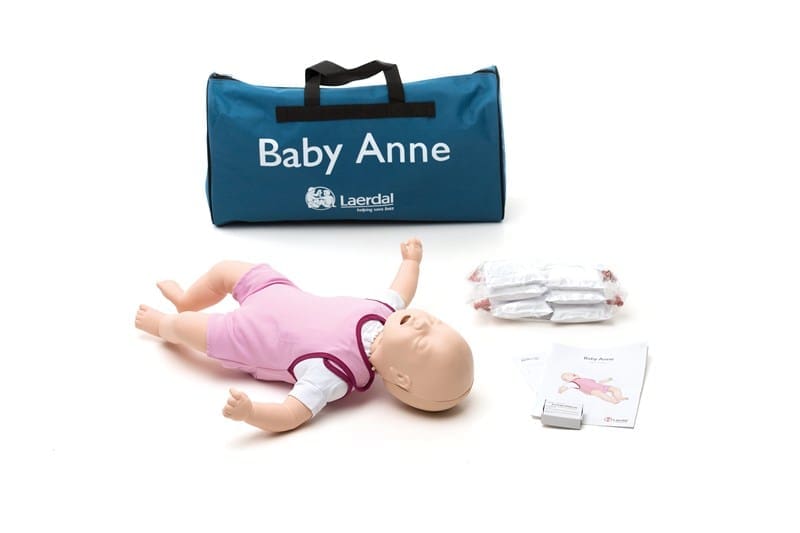
Child and infant models. Training often requires pediatric practice. Child torsos need shallower compression profiles and smaller airways. Some adult manikins include an adjustable depth feature, but dedicated child units teach proportions better. Infant manikins should allow brachial pulse checks, two‑thumb encircling compressions, and realistic head positioning to avoid overextension.
If you need a quick sense of the Canadian market, you will find three tiers. Entry level torsos with clickers that retail roughly 120 to 180 CAD per unit. Midrange feedback manikins in the 300 to 600 CAD range that connect to a mobile app and include basic QCPR metrics. High‑end advanced manikins from 800 CAD into the thousands, which are warranted for institutional use and sometimes include airway adjunct capability. When you search for CPR training manikins Canada, compare what local distributors stock because warranty support is worth more than saving 30 dollars on import.
AED training equipment that actually teaches real decisions
An AED trainer is not a medical device, but it should mimic the friction and timing of a real rescue. The best AED training equipment in Canada balances realism with flexibility across brands that learners might encounter at work or in public venues.
Pads and placement. Trainees learn by doing, and they stick the pads where the muscle memory forms. Trainers that use adult pads with clear graphics and a pediatric option teach both workflows. Good adhesives stick for ten cycles without tearing foam. In dry winter air, cheaper pads curl or lose tack. Keeping pads in a resealable bag with a damp paper towel restores a bit of life, but plan on replacing them every 15 to 30 learner uses if you are running large classes.
Scenarios and prompts. Most AED trainer remotes let you induce shockable and non‑shockable rhythms, prompt for CPR, or simulate a battery fault. Use that power. Not every scenario should end with a shock. Teach the reality that asystole prompts compressions and that clear communication during analysis saves time. If you teach in bilingual settings, prioritize units with English and French voice options and a physical language toggle so you do not need to dive into menus mid‑class.
Physical design. Tables and chair legs snag cables. Compact trainers with top‑mounted cable ports survive travel better. Look for replaceable cables and battery doors that do not crack under repeated use. Some trainers charge via USB‑C, which is handy if you carry a single power bank. Others rely on AA cells that are easy to source anywhere in Canada, even in small northern towns. Either path works if you standardize across your fleet.
Compatibility with real AEDs. Learners remember the rhythm of prompts, and public sites in Canada use a mix of brands. Consider running two trainer styles in your inventory so learners see more than one interface. If you know your clients have a specific brand, match that look and button layout. Be cautious with exact replicas of medical AEDs. Health Canada requires licences for devices marketed as medical, but trainers do not diagnose or treat and generally sit outside that classification. When in doubt, check the product’s status with the vendor.
Costs are straightforward. Expect to pay 200 to 450 CAD per AED trainer, 15 to 25 CAD per set of adult pads, and 20 to 40 CAD for pediatric pads. Replacement cables run 20 to 50 CAD. A simple remote costs around 40 to 80 CAD but is priceless when you need to flip a scenario without stopping the flow.
Building out CPR instructor packages that fit your program
Most vendors offer CPR instructor packages Canada wide, but the bundles often include extras you will not use and miss items you need. Build your own list based on course throughput. For a class of 12, a smooth flow uses three adult manikins, one child, and two infants. Add two AED trainers so learners can practice teamwork, plus barriers, lungs, wipes, and mats. If you run blended courses with short skills appointments, you can downshift to two adult manikins and one AED trainer per instructor but plan for more frequent disinfecting.
Consider how you will handle debrief. App‑based feedback lets you show scores to learners and document improvement. If you store names or identifiable performance, even temporarily, treat that data carefully. Keep devices locked, delete rosters after the course, and avoid cloud sync unless you have a clear reason. PIPEDA applies to commercial organizations handling personal information, and even if training data seems harmless, it is safer to anonymize at the source.
For instructors who travel by air, pack weight matters. A roller bag with two adult torsos, one AED trainer, and consumables typically hits 14 to 18 kilograms. Airlines in Canada allow 23 kilograms for a single checked bag on many fares, but regional carriers and basic economy fares can drop that number, so split load when possible. Soft mats and folding kneelers reduce fatigue and protect knees on concrete floors.
Where compliance actually bites in Canada
Most training gear is not regulated medical equipment, yet compliance still matters. What you buy should support teaching to Canadian guidelines and fit provincial realities.
Training content alignment. The Heart and Stroke Foundation of Canada and the Canadian Red Cross align with ILCOR guidance. The 2020 guideline updates still form the base, with periodic focused updates. Your equipment should help learners achieve current compression depth and rate targets, recoil, and minimal hands‑off time. Feedback manikins calibrated to those ranges prevent drift in instructor judgment. If you teach professional responder courses, choose manikins and BVMs that allow for two‑rescuer ventilations and oxygen integration.
Language and accessibility. In Quebec, delivering training in French is often expected and sometimes required by client policy. Across Canada, public sector clients may require bilingual materials. Choose AED training units with bilingual voice prompts and select manikin apps that support French interfaces. For accessibility, consider high‑contrast visual indicators for low‑vision learners and provide tactile guidance for hand placement.
Electrical and safety marks. Chargers and power adapters you use in classrooms should show CSA, cCSAus, or cUL marks. It sounds trivial until a venue safety officer asks to see them. Avoid no‑name adapters with only CE marks, which are not recognized as proof of safety certification in Canada.
Privacy and record keeping. If your manikin system exports performance reports, confirm where data lives. Many apps store data on the instructor device until you export. Disable automatic cloud sync unless your organization has vetted it. Keep attendance and performance only as long as your training policy requires.
Provincial AED realities. AED access and registry rules are provincial. Ontario operates a public registry and has requirements for certain premises to register devices and maintain them, including signage and post‑use reporting. Manitoba’s public access defibrillation framework requires registration for publicly accessible AEDs and sets maintenance expectations. Nova Scotia and several other provinces and territories maintain voluntary or program registries. Your training should reflect how AEDs are found and maintained in your province. It also pays to demonstrate how to read expiry dates and perform a basic pre‑use check on the specific AED brands your clients own.
Consumables and infection control. Since the pandemic, clients expect visible hygiene steps. Use disposable lungs or filters and face shields, disinfect touch surfaces between learners, and keep gloves available. Check that your chosen disinfectant will not cloud manikin plastics. Alcohol wipes above 70 percent can dull finishes. A quaternary ammonium wipe labeled for healthcare surfaces usually plays well with manikin material and satisfies venue requirements.
Shipping and lithium batteries. Some AED trainers pack lithium cells. If you ship kits within Canada, comply with Transportation of Dangerous Goods rules for lithium batteries. Many trainers use AA alkalines to sidestep this entirely, which can simplify logistics for multi‑site programs.
A grounded sense of cost
Plan budget by total learner‑throughput per year, not per item. If you teach 300 learners annually, a midrange feedback manikin costing 450 CAD that lasts five years costs about 30 cents per learner per session, before lungs and wipes. Cheap equipment that fails early costs more in rebuys and lost courses when a hinge snaps on arrival.
You will run into hidden costs. Replacement lungs for common manikins range from 20 to 60 CAD for packs of 24 to 36. Face shields are a few cents each in bulk. Training mats cost 25 to 40 CAD and save you complaints about cold floors, which translates to better focus. App subscriptions, if any, are usually modest, often under 100 CAD per device annually, but they add up across fleets.
A simple comparison checklist for manikins and AED trainers
- Does the vendor stock parts and consumables in Canada, with a realistic lead time in winter?
- Can you switch voice prompts between English and French without a laptop or internet?
- Does the feedback, whether clicker or app, align with current Canadian resuscitation targets?
- Will the equipment survive being packed and unpacked three times a week for two years?
- Is the power source standardized across your fleet so instructors carry one type of charger or battery?
Building a budget the smart way
- Set a throughput target, learners per year per site, so you do not overbuy or starve courses.
- Choose a standard kit layout, then multiply, instead of mixing models that complicate spares.
- Reserve 10 to 15 percent of gear cost for consumables and pad replacements in year one.
- Spend slightly more on the items with the highest touch rate, manikins and pads, and save on extras.
- Schedule a six‑month review to replace worn pads and order lungs before you run out.
Putting packages together for real classes
A community recreation center in Ontario that runs monthly public CPR and AED classes often starts with three adult manikins, one child, and two infants. Two AED trainers cover team practice. The coordinator keeps bilingual cue cards and sets AED units to English unless a French‑dominant group enrolls. Over time, they added kneeling pads after participants mentioned sore knees, a small spend that lifted satisfaction.
A coastal lifeguard program in British Columbia wanted better ventilation performance. They switched to manikins with realistic chest rise and jaw thrust capability, paired with child BVMs for part of the course. Instructors report that trainees now hit the ventilation rate and volume range within ten minutes, which used to take twenty. The extra time goes to team choreography around the AED and oxygen setup.
A corporate emergency response team in Quebec needed portable kits for multiple floors. They went with compact torsos that pack two to a bag and AED trainers matched to the brand installed in the building. Because their teams log practice, they set their feedback apps to French and disabled cloud sync. The kit rides in a wheeled case with a printed checklist in both languages. Nothing fancy, just tight execution.
A college health sciences department in Alberta, training 600 students each term, invested in a dozen midrange feedback manikins and four advanced units for airway adjunct practice. They assign three students per manikin, rotate every three minutes, and pull analytics to identify who needs extra time. Their total spend looked high on paper, but per‑student costs beat their previous patchwork of aging torsos, and class flow improved enough to reduce overtime.
CPR and first aid training kits that do not get in your way
Everything around the manikin and AED trainer affects teaching quality. Carry cases should be tough enough not to split at the seams on icy curbs. Simple zip bags for lungs and wipes keep stations tidy. Pocket masks with one‑way valves encourage realistic practice without the waste of constant shield changes. A whiteboard or flip chart in the room lets instructors sketch, which often fixes misconceptions faster than repeating steps.
For first aid modules, keep a realistic but safe set of training items. Tourniquet trainers that tighten cleanly and release without pinching fingers are worth paying for. Triangle bandages that are large enough to wrap shoulders teach better than tiny squares that pretend to be bandages. Splints that actually hold shape under a light load make the point. Many vendors label these as emergency training equipment Canada wide, but quality varies. Test samples before buying in bulk.
If you incorporate epinephrine auto‑injector training, only use trainer devices without needles or medication. They feel real and teach the mechanics, which is all you need. Bloodborne pathogen kits for demonstrations do not require real sharps. A collapsible sharps container teaches safe handling without risk.
Buying in Canada versus importing
Local distributors often cost a bit more, but they solve real problems. They navigate winter shipping, provide loaner units when a device fails in the middle of your schedule, and process warranty claims fast. If your program spans multiple provinces, ask if they stock bilingual documentation and can ship to remote sites without surcharge. When you search for AED training equipment Canada, look beyond price. Ask about spare parts, turnaround times, and references from similar clients.
Importing directly from manufacturers can make sense for large orders. Check electrical certification on included chargers, and ask the vendor to include cUL or CSA marked adapters. Confirm warranty coverage for Canada, not just North America. If you import feedback systems that rely on cloud services, check regional availability and whether their data handling aligns with your organization’s privacy expectations.
Maintenance rhythm that sustains quality
Successful programs treat maintenance as part of instruction. Start classes with a 60‑second visual check, which also models what learners should do when they approach a real AED. Instructors confirm that manikins recoil crisply, faces are clean, lungs are not crumpled, and AED trainers power on with sufficient charge. After class, wipe down equipment with a compatible disinfectant and log any issues. A simple shared spreadsheet noting pad tackiness, cracked cables, or failing springs pays for itself in avoided surprises.
Every quarter, replace consumables proactively. Rotate batteries whether or not low‑battery lights blink, especially in cold climates where voltage sag surfaces at the worst time. Keep a small box of spares in each kit: two sets of adult AED pads, one pediatric set, four lung bags per manikin, a spare cable, and a roll of tape for quick fixes. That small redundancy means a broken adhesive strip does not stall a class.
Thinking ahead
Training changes. New guidelines will arrive, likely adjusting compression targets or feedback standards modestly. Choose systems that can update firmware or app settings without replacing hardware. If your budget allows, standardize across sites and models to reduce instructor retraining and simplify spare parts.
Above all, judge equipment by how it shapes behavior. The right CPR training manikins Canada programs rely on are the ones that make a learner feel the difference between a soft push and a life‑saving compression. The right AED trainers teach pauses that are short, voices that are clear, and hands that move with purpose. With a careful eye on features, costs, and compliance, and a focus on how people actually learn, your CPR and first aid training kits will earn their place in your bag and in your results.
CPR Depot Canada — Business Info (NAP)
Name: CPR Depot CanadaAddress: 340 Croft Dr, Tecumseh, ON N8N 2L9
Phone: +1-877-570-7322
Website: https://cpr-depot.ca/
Email: [email protected]
Hours:
Monday: 9:00 AM – 6:00 PM
Tuesday: 9:00 AM – 6:00 PM
Wednesday: 9:00 AM – 6:00 PM
Thursday: 9:00 AM – 6:00 PM
Friday: 9:00 AM – 6:00 PM
Saturday: Closed
Sunday: Closed
Open-location code (Plus Code): 8537+C8 Tecumseh, Ontario
Map/listing URL: https://www.google.com/maps/place/CPR+Depot/@42.3036,-82.8392601,17z/data=!3m1!4b1!4m6!3m5!1s0x883b2aedd5f271a1:0xfee6f8b7ab8f4110!8m2!3d42.3036!4d-82.8366852!16s%2Fg%2F1q6cff15h
Embed iframe:
Socials:
https://www.facebook.com/people/CPR-Depot-Inc/61575911496200/ https://www.instagram.com/cprdepotinc/ https://www.youtube.com/@CPRDepot
https://cpr-depot.ca/
CPR Depot Canada is a supplier of medical training products and related supplies serving customers across Canada.
The business is listed at 340 Croft Dr, Tecumseh, ON N8N 2L9.
To contact CPR Depot Canada, email [email protected] or call +1-877-570-7322.
Hours listed are Monday–Friday 9:00 AM–6:00 PM, with Saturday and Sunday closed.
For directions and listing details, use: https://www.google.com/maps/place/CPR+Depot/@42.3036,-82.8392601,17z/data=!3m1!4b1!4m6!3m5!1s0x883b2aedd5f271a1:0xfee6f8b7ab8f4110!8m2!3d42.3036!4d-82.8366852!16s%2Fg%2F1q6cff15h
Popular Questions About CPR Depot Canada
Where is CPR Depot Canada located?CPR Depot Canada is listed at 340 Croft Dr, Tecumseh, ON N8N 2L9.
What are the hours for CPR Depot Canada?
Hours listed: Monday–Friday 9:00 AM–6:00 PM; Saturday and Sunday closed.
What does CPR Depot Canada sell or provide?
CPR Depot Canada supplies medical and first aid training products and related equipment (product availability varies).
Do they ship across Canada?
The business markets to Canadian customers and operates as a Canada-wide supplier; confirm shipping options at checkout or by contacting [email protected].
How can I contact CPR Depot Canada?
Phone: +1-877-570-7322
Email: [email protected]
Website: https://cpr-depot.ca/
Map: https://www.google.com/maps/place/CPR+Depot/@42.3036,-82.8392601,17z/data=!3m1!4b1!4m6!3m5!1s0x883b2aedd5f271a1:0xfee6f8b7ab8f4110!8m2!3d42.3036!4d-82.8366852!16s%2Fg%2F1q6cff15h
Landmarks Near Tecumseh, ON
1) Tecumseh Town Hall2) Lacasse Park
3) Lakewood Park
4) WFCU Centre (Windsor)
5) Devonshire Mall (Windsor)