First Aid Supplies Online Canada: Building a Complete Workplace Kit
A workplace kit is only as good as the moment it serves. That moment is usually messy, loud, and short on patience. Someone faints in a boardroom after a long client meeting. A line cook slices a knuckle during the lunch rush. A warehouse associate takes a nasty fall off a step ladder. I have stood in each of those rooms. The difference between calm, decisive care and a scramble often comes down to a kit that is complete, easy to grab, properly labeled, and checked last month rather than last year.
Shopping for first aid supplies online in Canada makes building and maintaining that kit far easier than it used to be. You can standardize contents across multiple sites, ship replenishments automatically, and tap into specialized products like AED batteries and training units that may not be stocked locally. But you need a structure, not just a shopping cart. The goal here is practical: understand what must be in a Canadian workplace kit, where an AED and oxygen fit, how to plan for climate and language, and how to keep the whole system updated without babysitting every expiry date yourself.
What Canadian compliance actually means
Canada regulates first aid at the provincial and territorial level. Ontario’s WSIB has its Regulation 1101; WorkSafeBC publishes its own tables https://privatebin.net/?a683c500159a88ca#7nqMko1vJ1YbnwXReGp9CY2bWoLyW2wZpB7iSKFVXsvx based on number of workers, hazard rating, and travel time to medical aid; Alberta, Quebec, and others maintain separate requirements as well. Those rules control three things: training level required on site, kit contents and quantity, and equipment like stretchers or blankets for remote or high risk operations.
Layered on top is a national reference, CSA Z1220, which outlines workplace first aid kit classes and performance expectations. Think of CSA Z1220 as the recipe and provincial rules as the menu constraints. If you outfit to the CSA standard, then adjust for your province and headcount, you will rarely go wrong. The online vendors that specialize in Canadian workplace kits usually map their packages to both the CSA classes and provincial lists, which reduces the risk of buying a great kit that still fails an inspection.
Two more Canadian realities matter. First, bilingual labeling is not optional if you operate nationally or expect unilingual French speakers on site. Make sure the kit signage and critical instructions are in English and French. Second, temperature swings matter. Adhesives, antiseptics, oxygen cylinders, and AED batteries do not age the same way in an unheated maintenance shop in Saskatoon as they do in a climate controlled Toronto office. Choose storage and product variants with your environment in mind.
Core components that do the real work
Every solid workplace kit includes dressings for bleeding, bandages and supports for sprains, antiseptics, and tools like shears and tweezers. Add personal protective equipment, a compact splint, and a thermal blanket. Those are the basics you will touch most often. For a medium office or retail site, you will want multiple sizes of adhesive bandages, knuckle and fingertip bandages for dexterity work, compress dressings for larger wounds, and triangular bandages that serve as slings or pressure wraps.
Gloves are not all the same. Nitrile, not latex, is the default now because of allergies. Stock multiple sizes and place them where a rescuer can grab them with wet or shaky hands. For burns in kitchens and manufacturing, a hydrogel burn dressing prevents sticking and cools without making a syrupy mess. For eyes, sterile eyewash is useful, but in dusty or chemical settings you will want a proper station, ideally plumbed, with enough flow to flush both eyes for 15 minutes. The kit should still carry a compact bottle for moving an injured worker.
Splints and supports tend to get forgotten until a sprained ankle or suspected fracture stalls production. A foldable aluminum foam splint, a couple of elastic bandages, and tape buy you stability without improvising with mop handles. Add a cold pack or two. The instant sort works fine for strains if you keep the expiry date in mind, since they lose punch over time.
Medication is the tricky area. Many Canadian workplaces avoid stocking oral pain relievers to sidestep consent and dosing issues. If you include them, keep them single dose in tamper evident packaging with bilingual instructions, and set a policy for when they can be offered. Epinephrine autoinjectors for anaphylaxis are a separate category. If your workforce or clientele includes known severe allergies, ensure trained staff and clearly labeled devices. In food service and education, this becomes more than best practice. When in doubt, consult your provincial guidance and your joint health and safety committee.
The five items most often missing when I audit kits
- A proper tourniquet with a windlass, labeled and staged for immediate use
- A CPR mask with a one way valve, not a flimsy face shield
- A shears that can cut denim and light leather, not just gauze
- Nitrile gloves in at least two sizes, stored where they do not crumble
- A compact flashlight with spare batteries for low light incidents
Those omissions tell me a kit looks full but is light on what matters for trauma and resuscitation. A modern workplace should also consider hemostatic gauze, which speeds clotting for severe bleeds. It is not a substitute for pressure and a tourniquet, but when minutes count, it helps.
Where AEDs fit, and what to buy with them
Automated external defibrillators change outcomes. Sudden cardiac arrest in a workplace or public setting often has a shockable rhythm in the first minutes. Survival drops roughly 7 to 10 percent per minute without defibrillation. Your emergency response plan should aim to get an AED on a patient within three minutes. That means more than buying a unit. It means placement, signage, training, and accessories that will actually be used.
For Canadian buyers, look for bilingual prompts and pads labeled for local distribution to avoid delays in warranty or replacement parts. If you standardize on a brand, you simplify upkeep. When you source Zoll AED accessories Canada wide, ensure you include adult and pediatric pads if children or smaller adolescents frequent your site, spare batteries, a wall cabinet with audible alarm, and a responder kit with razor, scissors, gloves, and a wipe. For organizations that already run Defibtech units, the availability of Defibtech AED training units Canada wide makes hands on practice realistic without risking a live discharge. Training pods and non energy training units mimic the prompts and timing of the real device, which builds muscle memory during drills.
An AED earns trust when it works in lousy conditions. Check its temperature range. A cabinet in a northern vestibule that dips below freezing will kill pads and reduce battery life. Choose a heated cabinet if the device is placed in a cold zone, and log temperature checks in winter. For remote operations, carry a soft case with a spare battery and extra pads, since resupply may take weeks.
First aid oxygen and when it belongs
Oxygen looks like a universal fix in movies. In the workplace it is targeted. If your risk profile includes respiratory hazards, high altitude work, or environments where emergency services respond slowly, first aid oxygen supplies can be appropriate. In Canada, storing and using oxygen demands attention to vendor support, training, and refill logistics. The cylinder must be secured, regulators maintained, and staff trained in flow rates and indications.
For the average office, oxygen is rarely necessary. For a manufacturing facility with dust exposures, a remote lodge, or a dive operation, it can be lifesaving during prolonged wait times. Ensure your supplier can support you with documented first aid oxygen supplies Canada wide, including hydrostatic test scheduling, refill exchange programs, and bilingual labeling. Fold oxygen into your emergency response plan so it does not become an expensive prop.
Buying online without losing the thread
The phrase First aid supplies online Canada covers everything from big box marketplaces to specialty medical vendors. For compliance and durability, I recommend vendors that publish crosswalks to provincial requirements, offer bilingual kit labels, and keep high turnover on dated items like antiseptic wipes and instant cold packs. They should carry AED parts, including specific lines like Zoll AED accessories Canada, and support training with stock such as Defibtech AED training units Canada.
Large employers often ask for punchout catalogs or customized bundles per site. That does not just help procurement. It standardizes the rescue experience. The kit in Halifax should match the one in Regina, aside from localized hazard add ons like bear spray decontamination wipes for field crews or extra eyewash for painting shops. A good supplier can stage those differences while keeping the core kit identical.
The supply chain matters more than it used to. During the last big PPE squeeze, we learned that adhesive bandages and gloves can become rationed too. A partner that offers reliable CPR supply delivery Canada wide, with back order visibility and substitution options that maintain compliance, will spare you from duct taping a kit back together during shortages.
Real maintenance beats a binder
Most workplaces have a binder with a checklist that was last signed before the coffee machine was replaced. A kit needs eyes on it. If you make it easy, it gets done. Keep the kit visible, at least chest height, with a simple seal that shows tampering at a glance. Use a log card that lives in the cabinet and an online tracker that prompts a monthly check. If you run multiple sites, ask your vendor to ship quarterly top ups matched to your usage and expiry profile. That reduces the hunt for a four by four gauze pad on the last day of the month.
Here is a simple rhythm that behaves well in offices, retail, and light industrial settings:
- Open the kit monthly, scan for low items, and check the AED status light
- Replace anything with an expiry within the next three months, and log the change
- Verify gloves, CPR mask, tourniquet, and shears are staged in the first grab pocket
- Test the cabinet alarm and emergency lighting in the area
- After any incident, restock within 24 hours and note what was used to refine ordering
When you run formal drills, simulate depletion. Use a compress dressing and a roll of tape. The act of restocking becomes part of the drill. People learn where items live, and you learn how many compress dressings vanish during a training scenario, which is a decent proxy for a real bleed.
Training turns gear into care
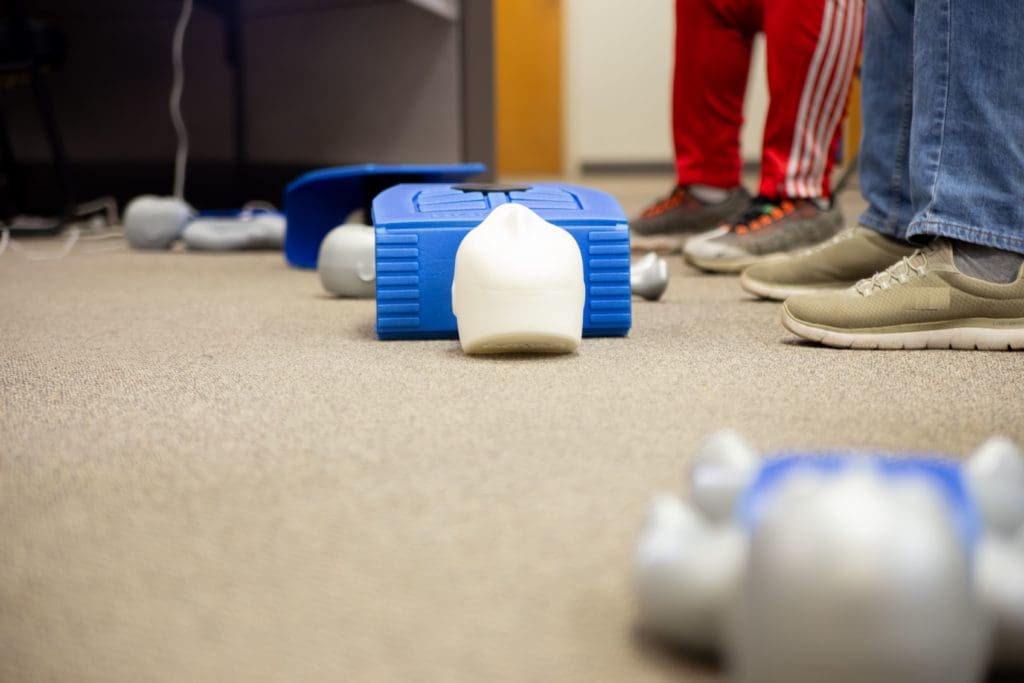
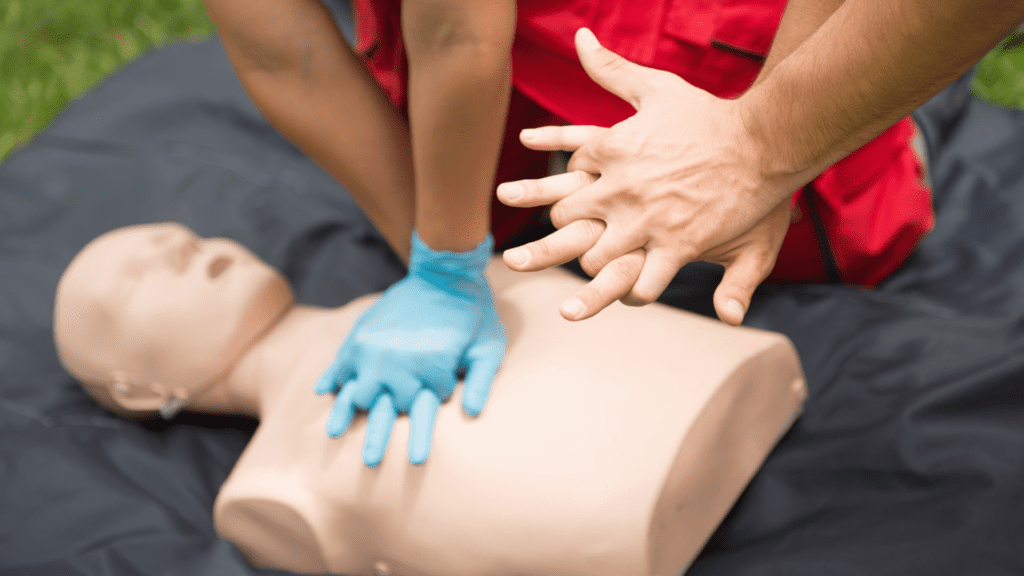
Untrained hands will still do good work with pressure and calm talk, but training changes outcomes. Pair your kit build with a schedule for first aid and CPR certifications appropriate to your province. In Canada, accepted providers include organizations like the Canadian Red Cross, St. John Ambulance, and equivalents approved by your regulator. Bring the AED into those classes. If you own Defibtech AED training units Canada wide, send them to your trainers or build them into your safety road shows. The device that lives on the wall should feel familiar in the palm.
Drills do not need to be elaborate. Pick a scenario that matches your risks. A ladder fall with a suspected ankle fracture in a warehouse. A severe cut in a commercial kitchen. A sudden collapse in a lobby. Time the response from the call for help to the first intervention. Was the AED visible and fast to access, or did someone hunt down a key? Was there a language barrier at the kit? Did anyone struggle to open a compress dressing with gloved hands? Those observations translate directly into kit layout and signage changes.
Industry specific tweaks that pay off
Kits grow from a base. The extra items depend on what your people face.
Kitchen and food production teams need more burn care and more blue metal detectable bandages. Add finger cots and a posted policy about injury reporting to prevent bandage loss in product. Put the kit near the handwash station. Keep the AED away from open flames and high humidity, yet within a two minute walk from the cook line.
Construction and trades benefit from more trauma supplies. A proper tourniquet, hemostatic gauze, splints, and a durable responder bag that can leave the trailer and ride in a truck. Hard hats and gloves eat storage space. Make the kit a grab and go bag rather than a wall cabinet, and issue a second bag to the supervisor’s truck for trailers parked far from active work.
Offices and retail need simple triage. Adhesive bandages in a high traffic dispenser on a wall outside the main kit will cut down on needless kit openings. Stock extra knuckle and fingertip bandages for cashiers. Place the AED near the entrance or elevator where security can direct responders quickly.
Remote and northern operations need redundancy. Multiple kits staged across the site, first aid oxygen supplies integrated with extra blankets and a stretcher, and an AED in a heated cabinet. Work with a supplier who can stage shipments to remote depots before freeze up.
Storage, climate, and labeling details that are easy to miss
Temperature and humidity attacks adhesives and batteries. If your kit sits in a shop that sees winter nights close to freezing and summer afternoons above 30 C, do not ignore it. Insulated cabinets moderate swings, and desiccant packs help in damp basements. AED pads contain gel that dries or separates when overheated or frozen. Walls near exterior doors can be the coldest place in winter. Move the cabinet to an interior wall if you see condensation or feel a chill on the metal.
Label in both English and French, even if your province is not officially bilingual. Emergencies tend to expose gaps, and visitors do not carry your floor plan in their head. Simple pictograms help too. Use glow tape or photoluminescent markers if you lose power often. At least annually, kill the lights during a drill and find the kit and AED without headlamps. It is a sobering test.
In a unionized environment, involve the joint health and safety committee in kit layout. The best place for an AED is where someone will instinctively look when they hear a shout, not in a locked office. Post a floor map with AED and kit locations. Add the information to onboarding and to your visitor safety brief.
Budgeting and lifecycle: spending where it matters
A decent wall mounted kit suited to a mid sized office runs a few hundred dollars, not including the AED. The AED itself ranges from roughly $1,500 to $2,500 depending on model and accessories. Pads typically expire every two to four years, batteries last three to five years, and consumables like gloves and wipes turn over faster. Over a five year period, plan for the purchase price plus a third to a half for maintenance and replacement parts. If you operate several sites, the savings come from standardization and bulk replenishment, not from bargain bins.
Spend the extra on a cabinet with an alarm and a window so you can read the AED status light without opening the door. Buy real tourniquets that meet published performance criteria, not knockoffs that slip. Choose nitrile gloves that people will actually wear. Put dollars into training time. I have never regretted paying for a half day shutdown to run drills after seeing a team shave two minutes off their AED arrival time six months later.
A short story that explains the point
A warehouse in the Prairies kept a beautiful green first aid box. It hung high, shiny and complete. When a picker rolled his ankle stepping off a curb outside the door, the supervisor grabbed the box and realized it had no splint, no elastic bandage, and the cold packs were hard as rocks from a winter snap. They improvised with a folded clipboard and packing tape. The injury was minor, but the message was not.
We replaced the wall box with a soft bag stocked for sprains and cuts, added a splint, real elastic wraps, and cold packs rated for low temperature activation. We mounted the AED in a heated cabinet by the main door and ran a drill. The next time a problem happened, a contractor fainted while unloading. The AED arrived in under two minutes. It stayed in its cabinet because he woke up, but the difference in confidence was obvious. The gear matched the environment and the likely incidents. The team executed instead of improvising.
Turning online purchasing into a steady system
You do not need to micromanage restocking if you set up rules, then automate. Choose a vendor that supports site level profiles. For each location, define the kit class aligned to CSA Z1220 and your provincial rule, your AED model with pad and battery SKUs such as the appropriate Zoll AED accessories Canada requires, and any extras like first aid oxygen supplies Canada wide distribution can support. Bundle those into a quarterly shipment that replaces anything due to expire within 90 days and tops up common consumables based on your last two quarters of usage.
If your sites are spread from Vancouver to St. John’s, confirm transit times and consider staggering shipments to avoid a month end rush on your receivers. Ask for expiry minimums on shipped goods so you do not start with items already six months old. Keep the system simple enough that a new site manager can understand it in one meeting. Back it up with a monthly on site check by a trained first aider who can spot context, like a kit hung too close to a fryer or an AED hidden behind a plant.
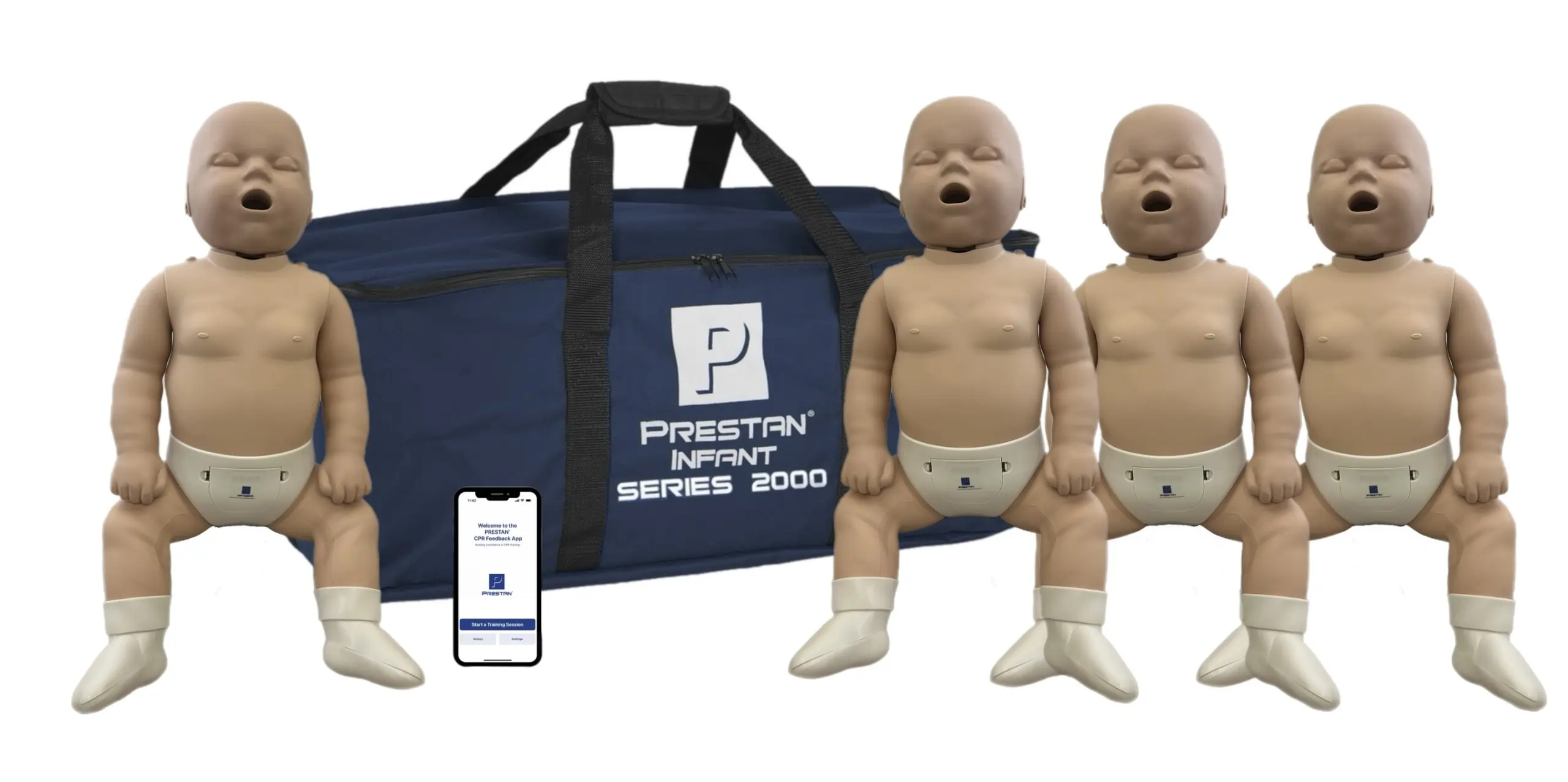
If you need training gear, integrate it into the same platform. Defibtech AED training units Canada wide can be added to your cart and shipped ahead of scheduled classes. When you run CPR recertifications, order extra valves for masks and fresh manikin lungs at the same time. If you rely on CPR supply delivery Canada across multiple locations, set one window per quarter to avoid chasing single boxes.
Final checks that keep you honest
A kit and an AED are not set and forget. They are living parts of your safety culture. When you walk your floor, ask two people at random, where is the AED and the first aid kit. If they hesitate, fix your signage, your briefings, or your placement. Try opening the kit with your non dominant hand while wearing gloves. If you cannot reach the tourniquet and shears in three seconds, change the layout.
Match your first aid kit to your real risks, not a generic list. Buy from Canadian focused vendors who understand CSA Z1220 and your provincial requirements, and who can supply specialized items, from Zoll AED accessories Canada uses to first aid oxygen supplies and realistic training gear like Defibtech AED training units Canada wide. Lean on online ordering to keep the shelves full without burying your team in checklists. Then run drills until the noise of an emergency feels familiar. That is what turns a box of supplies into the right help at the right time.
CPR Depot Canada — Business Info (NAP)
Name: CPR Depot CanadaAddress: 340 Croft Dr, Tecumseh, ON N8N 2L9
Phone: +1-877-570-7322
Website: https://cpr-depot.ca/
Email: [email protected]
Hours:
Monday: 9:00 AM – 6:00 PM
Tuesday: 9:00 AM – 6:00 PM
Wednesday: 9:00 AM – 6:00 PM
Thursday: 9:00 AM – 6:00 PM
Friday: 9:00 AM – 6:00 PM
Saturday: Closed
Sunday: Closed
Open-location code (Plus Code): 8537+C8 Tecumseh, Ontario
Map/listing URL: https://www.google.com/maps/place/CPR+Depot/@42.3036,-82.8392601,17z/data=!3m1!4b1!4m6!3m5!1s0x883b2aedd5f271a1:0xfee6f8b7ab8f4110!8m2!3d42.3036!4d-82.8366852!16s%2Fg%2F1q6cff15h
Embed iframe:
Socials:
https://www.facebook.com/people/CPR-Depot-Inc/61575911496200/ https://www.instagram.com/cprdepotinc/ https://www.youtube.com/@CPRDepot
https://cpr-depot.ca/
CPR Depot Canada is a supplier of medical training products and related supplies serving customers across Canada.
The business is listed at 340 Croft Dr, Tecumseh, ON N8N 2L9.
To contact CPR Depot Canada, email [email protected] or call +1-877-570-7322.
Hours listed are Monday–Friday 9:00 AM–6:00 PM, with Saturday and Sunday closed.
For directions and listing details, use: https://www.google.com/maps/place/CPR+Depot/@42.3036,-82.8392601,17z/data=!3m1!4b1!4m6!3m5!1s0x883b2aedd5f271a1:0xfee6f8b7ab8f4110!8m2!3d42.3036!4d-82.8366852!16s%2Fg%2F1q6cff15h
Popular Questions About CPR Depot Canada
Where is CPR Depot Canada located?CPR Depot Canada is listed at 340 Croft Dr, Tecumseh, ON N8N 2L9.
What are the hours for CPR Depot Canada?
Hours listed: Monday–Friday 9:00 AM–6:00 PM; Saturday and Sunday closed.
What does CPR Depot Canada sell or provide?
CPR Depot Canada supplies medical and first aid training products and related equipment (product availability varies).
Do they ship across Canada?
The business markets to Canadian customers and operates as a Canada-wide supplier; confirm shipping options at checkout or by contacting [email protected].
How can I contact CPR Depot Canada?
Phone: +1-877-570-7322
Email: [email protected]
Website: https://cpr-depot.ca/
Map: https://www.google.com/maps/place/CPR+Depot/@42.3036,-82.8392601,17z/data=!3m1!4b1!4m6!3m5!1s0x883b2aedd5f271a1:0xfee6f8b7ab8f4110!8m2!3d42.3036!4d-82.8366852!16s%2Fg%2F1q6cff15h
Landmarks Near Tecumseh, ON
1) Tecumseh Town Hall2) Lacasse Park
3) Lakewood Park
4) WFCU Centre (Windsor)
5) Devonshire Mall (Windsor)