Defibtech AED Training Units Canada: Curriculum Integration Made Easy
Most organizations in Canada now expect people on the ground to act before paramedics arrive. That expectation only works if training is realistic, repeatable, and simple to deliver across classrooms, gyms, shop floors, arenas, and remote sites. Defibtech AED training units have earned a solid reputation with instructors for being intuitive, durable, and adaptable to bilingual environments. The question is less about whether to teach AED skills, and more about how to fold training into your curriculum without blowing up budgets or timetables.
I have run sessions in school libraries, on oilfield pads, and beside the home bench at a Nova Scotia rink. Curriculum integration gets easier when the equipment does not fight you and your plan matches the realities of the room. This guide focuses on practical ways Canadian educators and program owners can plug Defibtech training units into courses with minimal friction, while also navigating logistics like bilingual prompts, cold-weather storage, and supply chains that stretch from the Lower Mainland to Labrador.
Why AED training belongs in the Canadian curriculum
Cardiac arrest remains a leading cause of death in Canada, and most events occur at home or in community settings. High quality CPR performed quickly and an AED on scene within a few minutes can double or triple survival odds. That can feel like a sweeping statement until you talk to a high school teacher whose student revived a grandparent in the driveway, or a facilities supervisor who lost a coworker because an AED sat behind a locked door. The takeaway for curriculum designers is clear. Make AED use a routine competency, not an occasional special topic.
The training footprint is modest. A well run AED and CPR session fits inside 90 minutes for refresher learners and 2 to 3 hours for first timers, including practice and debrief. In my experience, a ratio of one training unit to four learners keeps hands busy and waiting time short. Stack two instructors for a large group, and you can move 24 learners through scenarios in half a day without compromising realism.
What makes Defibtech training units a strong fit
The Defibtech Lifeline and Lifeline VIEW training models sit in a sweet spot between authenticity and classroom control. Instructors get clear prompts, scenario flexibility, and features that mimic real deployments without unnecessary complexity. The form factor matters. The training units feel like the operational Lifeline AEDs, with big buttons, clean lines, and no fiddly covers to break. Learners who train on the Lifeline trainer will not stumble reaching for the shock button on a real device.
Key elements that consistently help in Canadian classrooms:
- The units support bilingual audio prompts. Many models let you toggle between English and French, which simplifies delivery in Quebec, New Brunswick, and Francophone programs elsewhere. It also allows you to run mixed groups and still satisfy provincial language policies without swapping devices.
- Training pads ship in adult and pediatric versions and are designed for multiple uses. With good care and a sensible rotation plan, a set can last through dozens of classes, keeping consumable costs in check.
- Scenario controls, often via a simple remote, let you introduce common issues. You can simulate a shockable rhythm on the first analysis, then switch to a non-shockable rhythm to force learners to continue compressions without the crutch of a shock.
- A metronome supports proper chest compression rate. That audible guide keeps novices from slowing down as fatigue sets in and lets instructors listen for drift without hovering.
The finish is robust enough for travel. I have had kits ride in pelican cases on prop planes to northern communities in January and survive salty spring slush on arena floors. Unlike flimsier trainers, the hinges and buttons hold up.
Bilingual delivery without headaches
Language requirements can derail otherwise elegant rollouts. Defibtech training units make bilingual delivery straightforward. The prompts and on-screen guides in the VIEW series present clear, neutral phrasing in both languages, and the button interface is icon-driven. In a Montreal CEGEP course, we split the room into English and French stations, then swapped groups halfway so each student operated the device in both languages. That one design decision reduced exam anxiety and cut remediation time to near zero.
Labels and signage remain your job. Put bilingual pad placement diagrams on your manikins and case lids, and learners from Nunavut to Gatineau will feel at home. If you use an LMS, offer download links to quick-reference cards in both languages so field staff can save them to phones. This small touch pays off when someone reviews steps in the break room or on a bus.
Building AED modules that match your setting
A good AED module does not look identical in a Grade 10 health class and a mining site orientation. The core steps remain consistent, but the scenarios, manikin positions, and background noise should mirror the student’s real world. Defibtech training units do not constrain you here. They transition gracefully from calm classroom to messy shop floor.
School programs
A high school or college class benefits from back-to-back short scenarios rather than long vignettes. Start with a clean arrest: unresponsive adult, no hazards, AED on scene. Move fast from gloved hands to pad placement to a first analysis. The Defibtech metronome supports rhythm during compressions while you assess depth and recoil. Then tilt toward common mistakes. Rotate a left handed pad placement, challenge students to shave a chest with a sample razor when there is dense hair, and pause to point out the infant and child switch if your trainer uses pediatric pads. Keep sets tight and energetic.
Workplace training
For industrial or municipal crews, run scenarios in steel toed boots and hearing protection. I pipe in recorded shop noise or rink music to force louder commands. On a forestry site, our team wedged the manikin between toolboxes to simulate a cramped truck cab. The Defibtech prompts cut through noise, and the shock advisory tone is distinctive even with ear protection. Instructors should rehearse where an actual AED case would sit in that space, then have learners fetch the trainer from the same location.
Healthcare and responder programs
Paramedic and nursing students need deeper layers. Use the Defibtech trainer’s scenario control to flip rhythms mid-course. Have students manage two analysis cycles with no shock, then pivot to a shockable rhythm only after correct pad repositioning. Add in oxygen therapy in advanced first aid settings. Coordination of airway, O2, and AED is a learned team skill. We place a small timer near the airway kit and the training AED, then debrief on time lost during transitions.
Remote communities and seasonal sites
Travel and storage stress gear in ways city programs rarely see. For winter programs in arenas or outdoor sites, keep training units and pads at room temperature until class time. Cold pads lose adhesion, and batteries sag in extreme cold. The Defibtech trainers tolerate short exposures, but plan for a warm box between sessions. When flying to northern communities, spread consumables across bags so a single missing case does not stop your course. Where courier access is limited, bundle orders with CPR supply delivery Canada partners who can project realistic lead times.
A simple integration blueprint for curriculum owners
Classroom hours are tight and equipment budgets are watched closely. Adding an AED module should not require a rewrite of your course. The following steps have worked across school districts, corporate HSE teams, and community programs.
- Map competencies to existing outcomes. Tie AED use to recognition of cardiac arrest, activation of EMS, and CPR quality. In many curricula, this drops into an emergency response unit without adding seat time.
- Choose a ratio and room layout. Plan one Defibtech trainer for every 3 to 5 learners, with clear circulation lanes. Test sightlines so your demo is visible to the back row.
- Build two scenario scripts. One clean, one messy. Write brief prompts for bystanders, hazards, or equipment failures, and decide when to toggle the trainer’s rhythm.
- Set a maintenance and consumables plan. Track pad cycles, batteries, and manikin lungs. Assign someone to restock monthly using preferred First aid supplies online Canada vendors.
- Validate and refine. After two cohorts, review pass rates and debrief notes. Adjust timing, noise level, or case placement to reduce bottlenecks.
Keeping the kit clean, charged, and ready
The hidden work of AED training sits in maintenance. If you build simple habits, your units will run for years without surprises.
Pads
Training pads last longer than many budgets expect. Wipe gel residue from manikin chests after class and keep pad liners clean. Rotate sets between courses to average wear. In dry winter air, static can lift edges during compressions. A light wipe of the manikin surface with a barely damp cloth before class improves adhesion. If your course runs back to back all day, give pads a few minutes to cool between groups.
Batteries and power
Defibtech training units offer battery power for flexibility. Rechargeable options save money across the year if you teach weekly. For infrequent courses, alkaline batteries work, but log install dates and carry spares. Cold saps voltage, so in winter programs keep a set of warm spares in your pocket. I also throw a small power bank and a compact AC adapter in the kit. While most trainers do not need external power, redundancy prevents canceled sessions.
Cleaning and infection control
Between groups, wipe the AED case, buttons, and pads with a disinfectant compatible with plastics. Bleach-heavy products can cloud screens and degrade adhesives over time. Choose quats or alcohol wipes that your manikin manufacturer recommends. Build a buffer of 5 to 10 minutes per hour of instruction for cleaning. Rushing this step leads to sticky buttons and lost pads. Learners notice when gear is cared for, and it shapes their respect for the process.
Storage and transport
Use rugged cases with foam cutouts. Defibtech units travel well, but unsecured remotes go missing. Label each component and inventory after class. In winter, avoid leaving kits in car trunks overnight. Condensation forms when you bring a cold unit into a warm room, and moisture shortens component life.
Sourcing supplies without drama
Supply chain reliability matters more than the last dollar saved. Programs that rely on rushed orders invite canceled classes. Many Canadian organizations centralize procurement with approved vendors, but a hybrid approach reduces risk.
Defibtech AED training units Canada are widely available through specialty distributors and safety retailers. If your program spans multiple sites, set up scheduled orders for pads, manikin lungs, gloves, and cleaning wipes through a trusted First aid supplies online Canada partner. For remote regions, align shipment windows with reliable weather and ferry or flight schedules. I stagger deliveries to northern communities before freeze up and after spring breakup.
Leverage CPR supply delivery Canada services for recurring needs like adult and pediatric pads. Some vendors will kit your order into class ready bundles. That reduces errors and speeds setup on training day. If your advanced first aid courses include airway and oxygen modules, coordinate cylinders, regulators, and delivery masks https://cpr-depot.ca/product-category/cpr/ with First aid oxygen supplies Canada suppliers who understand provincial transport and storage rules. Many will provide clear guidance on hydrostatic test dates and cylinder rotation, avoiding compliance hassles later.
How Defibtech fits alongside other brands
Most organizations maintain a mixed fleet of operational AEDs because of legacy purchases or site specific needs. Training programs can still run smoothly with one brand of trainer and another brand on the wall. You teach universal steps and then cover device specific differences in a short segment.
Zoll AED accessories Canada, for example, include CPR feedback pads and unique compression rate indicators. If your sites use Zoll operational units, run one station at the end of class where learners handle those accessories and see the different interface. The Defibtech trainer still delivers the backbone of the skill set, from prompt timing to pad placement flow. Instructors should keep a small reference board with photos of the different shock button locations and status indicators across brands learners may encounter on site.
Scenario design that builds real confidence
The biggest gains in retention come from scenarios that look and feel like the learner’s world. With Defibtech training units, you can script outcomes that reward clean sequences and force decisions under time pressure without overwhelming students.
A useful arc for a 2 hour module looks like this. First, run an ideal case from collapse to first AED analysis with high quality compressions and a single shock. Second, run a non-shockable rhythm with an emphasis on quick resume of compressions, switching compressors at two minute marks. Third, introduce a complication: a wet pool deck, a hairy chest, a bra with underwire that complicates pad placement, or a bystander who keeps touching the patient during analysis. Instructors control rhythm changes on the trainer to match the teachable moment. Debriefs are short and specific. Ask learners to name the single change they would make next time.
In one municipal cohort, we set a rink bench scenario with music and a skate guard shouting over the boards. Learners discovered they needed to assign a person to crowd control early. The Defibtech prompts cut through noise, but people did not. That realization only came from rehearsal.
Assessment, documentation, and quality improvement
Canadian programs often answer to internal auditors, insurers, or provincial standards bodies. Documenting competence should not burden instructors. Keep rubrics simple. Track whether learners recognize arrest, call for help, start compressions within 30 seconds, apply pads correctly, follow AED prompts, and spare no more than 10 seconds off the chest between cycles. If your Defibtech unit logs scenario choices or time stamps, capture those in a short post class note.
Digital recordkeeping helps when cohorts are large. A basic spreadsheet or an LMS form with pass criteria tightens feedback loops and flags who needs refreshers. Build a 6 to 12 month refresher plan for high risk roles. Shorter, high frequency touchpoints often beat long, infrequent recertifications. A 30 minute skills tune up every quarter keeps compression mechanics sharp and pads going on fast. QR codes on the AED cabinet linking to a 2 minute Defibtech pad placement video give just in time prompts without scheduling a class.
Budgeting with judgment
Equipment choices meet finance reality. Plan for the entire cycle, not only the purchase price. A typical classroom kit for 12 learners needs three training AEDs, three adult manikins with feedback capability, one infant manikin if pediatric skills are required, six sets of training pads, spare batteries, cleaning supplies, and a rolling case. Consumables add modest cost per learner when you manage them well. Most programs land in a per learner consumables range that keeps budgets happy if they avoid single use waste and track inventory.
Avoid the trap of buying too few trainers. Cheaper up front often means slow rotations, low engagement, and overtime for instructors. The sweet spot remains one Defibtech trainer for every three to five learners. If you teach seasonally, consider renting extra units from a regional partner during peak months. In larger organizations, share kits across departments with a check out calendar. People respect shared resources when they know equipment will be ready for their slot.
Grants and sponsorships can help, but pin your program to stable funding. Community foundations and local businesses often underwrite a school or arena kit if the ask is clear and tied to public access. Offer visibility on a cabinet plaque or a safety day event, and set firm expectations for training frequency.
A compact equipment recipe that just works
Here is a lean, field proven package for a 12 person class that scales cleanly for larger groups.
- Three Defibtech AED training units with adult and pediatric training pads, plus remotes
- Three adult CPR manikins with feedback on compression depth or rate
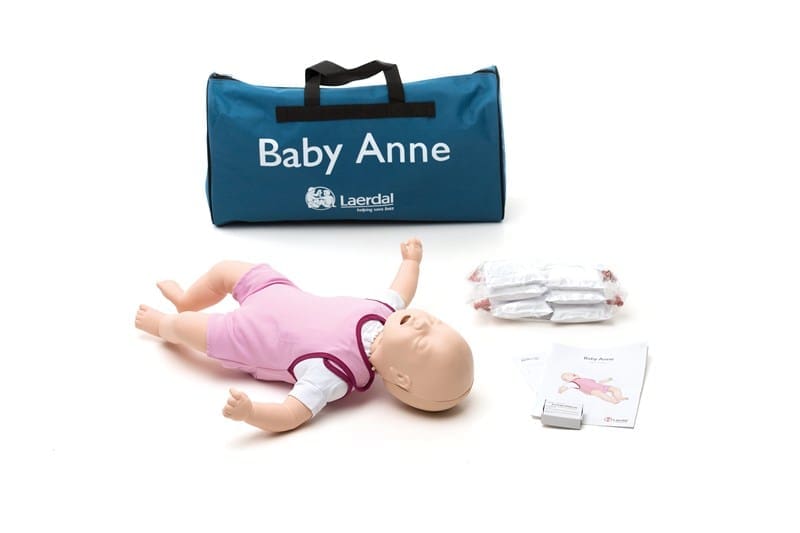
- One infant manikin for pediatric practice, if your curriculum requires it
- Two cases of gloves, manikin lungs or airways as specified by the manufacturer, and cleaning wipes
- One rolling case with foam inserts, spare batteries, scissors, razors, and a bilingual quick reference set
This kit supports parallel stations, reduces downtime, and keeps consumables under control. If your facilities also stock Zoll operational AEDs, add one station for learners to handle Zoll AED accessories Canada so they see the interface they will meet on shift.
Bringing oxygen into advanced courses
Where your syllabus extends to advanced first aid, the AED module naturally connects to airway and oxygen delivery. The handoff between chest compressions, airway management, and AED prompts can get tangled if you do not stage it. Use a designated airway lead, a compressor, and an AED operator. Train the oxygen lead to time mask placement during AED analysis breaks, not during compressions. The rhythm of Defibtech prompts gives a reliable beat for these transitions. Work with a knowledgeable First aid oxygen supplies Canada vendor to source regulators, flow meters, and masks appropriate for training and to align storage with provincial fire codes.
Small choices that amplify learning
The more teaching I do, the more I value frictionless details. Put athletic tape on the floor to outline a pool deck or a truck cab, and suddenly pad placement becomes a body mechanics lesson, not a fine motor exercise. Place the AED case five meters away and have a learner jog to retrieve it. Ask bystanders to simulate confusion. Use the Defibtech remote to withhold a shock once, just to see if students push on with compressions or go silent. Add a language switch mid-scenario to build confidence toggling bilingual prompts.
Across Canada’s wide range of contexts, the programs that stick are the ones that feel like the work people actually do. Defibtech AED training units Canada offer reliable, bilingual, and scenario friendly tools to make that happen. Combine them with smart logistics through CPR supply delivery Canada networks, keep your consumables sorted with dependable First aid supplies online Canada partners, and be intentional about scenario design. Whether your learners stand on a curling sheet, in a machine bay, or at a classroom desk, they will leave ready to act when it counts.
CPR Depot Canada — Business Info (NAP)
Name: CPR Depot CanadaAddress: 340 Croft Dr, Tecumseh, ON N8N 2L9
Phone: +1-877-570-7322
Website: https://cpr-depot.ca/
Email: [email protected]
Hours:
Monday: 9:00 AM – 6:00 PM
Tuesday: 9:00 AM – 6:00 PM
Wednesday: 9:00 AM – 6:00 PM
Thursday: 9:00 AM – 6:00 PM
Friday: 9:00 AM – 6:00 PM
Saturday: Closed
Sunday: Closed
Open-location code (Plus Code): 8537+C8 Tecumseh, Ontario
Map/listing URL: https://www.google.com/maps/place/CPR+Depot/@42.3036,-82.8392601,17z/data=!3m1!4b1!4m6!3m5!1s0x883b2aedd5f271a1:0xfee6f8b7ab8f4110!8m2!3d42.3036!4d-82.8366852!16s%2Fg%2F1q6cff15h
Embed iframe:
Socials:
https://www.facebook.com/people/CPR-Depot-Inc/61575911496200/ https://www.instagram.com/cprdepotinc/ https://www.youtube.com/@CPRDepot
https://cpr-depot.ca/
CPR Depot Canada is a supplier of medical training products and related supplies serving customers across Canada.
The business is listed at 340 Croft Dr, Tecumseh, ON N8N 2L9.
To contact CPR Depot Canada, email [email protected] or call +1-877-570-7322.
Hours listed are Monday–Friday 9:00 AM–6:00 PM, with Saturday and Sunday closed.
For directions and listing details, use: https://www.google.com/maps/place/CPR+Depot/@42.3036,-82.8392601,17z/data=!3m1!4b1!4m6!3m5!1s0x883b2aedd5f271a1:0xfee6f8b7ab8f4110!8m2!3d42.3036!4d-82.8366852!16s%2Fg%2F1q6cff15h
Popular Questions About CPR Depot Canada
Where is CPR Depot Canada located?CPR Depot Canada is listed at 340 Croft Dr, Tecumseh, ON N8N 2L9.
What are the hours for CPR Depot Canada?
Hours listed: Monday–Friday 9:00 AM–6:00 PM; Saturday and Sunday closed.
What does CPR Depot Canada sell or provide?
CPR Depot Canada supplies medical and first aid training products and related equipment (product availability varies).
Do they ship across Canada?
The business markets to Canadian customers and operates as a Canada-wide supplier; confirm shipping options at checkout or by contacting [email protected].
How can I contact CPR Depot Canada?
Phone: +1-877-570-7322
Email: [email protected]
Website: https://cpr-depot.ca/
Map: https://www.google.com/maps/place/CPR+Depot/@42.3036,-82.8392601,17z/data=!3m1!4b1!4m6!3m5!1s0x883b2aedd5f271a1:0xfee6f8b7ab8f4110!8m2!3d42.3036!4d-82.8366852!16s%2Fg%2F1q6cff15h
Landmarks Near Tecumseh, ON
1) Tecumseh Town Hall2) Lacasse Park
3) Lakewood Park
4) WFCU Centre (Windsor)
5) Devonshire Mall (Windsor)