Defibtech AED Training Units Canada: Certification‑Ready Training Solutions
Cardiac arrest training lives or dies on realism. If learners only hear a lecture, they remember concepts but freeze on the floor. Put a training AED in their hands, sync it to a manikin, add the adrenaline of a simulated collapse, and skills start to stick. For Canadian instructors, program coordinators, and safety managers, Defibtech AED training units strike that balance: realistic prompts, safe shocks that are never delivered, bilingual audio options, and a setup that holds up to weekly classes.
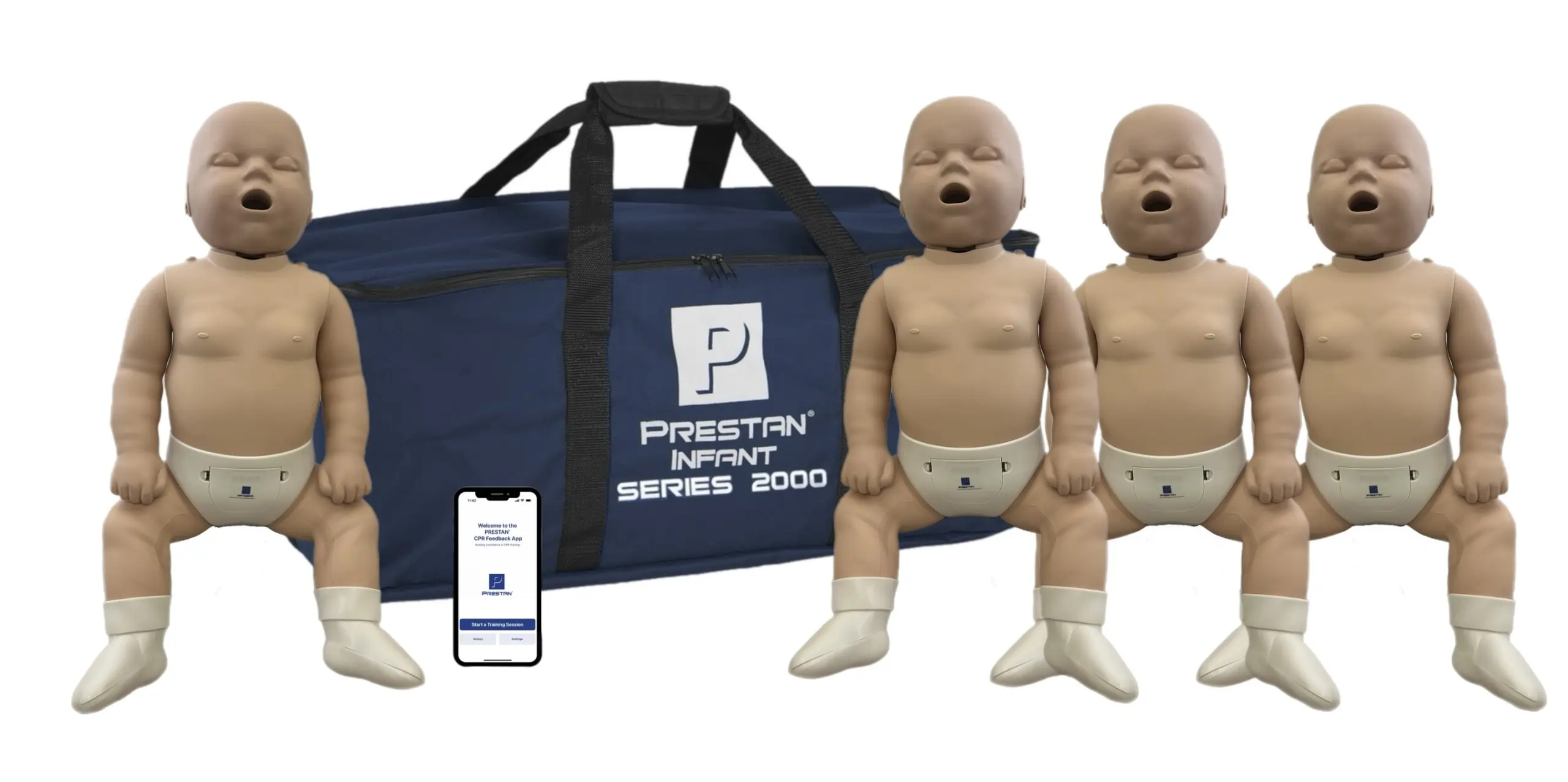
I have hauled training kits from Vancouver boardrooms to northern community gyms where the nearest ambulance was 90 minutes away. The differences in those rooms shaped how I value durability, simple controls, and consistent voice prompts. Defibtech’s approach, especially with the Lifeline and Lifeline VIEW training platforms, solves practical headaches that come up when certification is on the line and the clock is unforgiving.
What a training unit must do that a live AED cannot
A live AED is built to do one thing on the worst day of someone’s life. It powers up, analyzes, advises, and delivers a shock if needed. A training unit must do all of that in simulation without ever leaving a trainee worried they could hurt someone. That means a https://felixibvs022.timeforchangecounselling.com/zoll-aed-accessories-canada-guide-compatibility-lifespan-and-costs-1 training device needs precise scenario control, pads that can be reused dozens of times, audible coaching at a volume that cuts through a noisy gym, and a metronome that matches current CPR guidelines.
Defibtech AED training units for Canada meet those needs with straightforward features: multiple shockable and non-shockable scenarios, a pause function for instructor coaching, and training pads designed to stick reliably to manikins without tearing adhesives after two classes. If you teach in mixed environments, like a factory floor in the morning and a college lab in the afternoon, the intuitive front-panel buttons matter more than spec sheets. Trainees immediately grasp the big green on button, the clear prompts, and the shock control with a bright light ring. You can run the entire day without fighting the device.
Under the hood, you also get the hidden value instructors notice after a few months. The trainers boot quickly, the prompts are in a register that carries across a room with HVAC noise, and the pads come on a durable plastic backing that stands up to hurried resets between stations. I have seen cheaper training pads fold or lose tack after a handful of cycles. Defibtech’s training pads typically give you twenty to forty placements before they need replacement if you store them flat and wipe down manikin torsos.
Certification realities in Canada
Training needs to align with the certification body and provincial regulations. Across Canada, CPR and AED training is anchored by the Heart and Stroke Foundation and the Canadian Red Cross, with St. John Ambulance and several provincial agencies also recognized by workplaces. While each curriculum uses its own script, the skills converge: rapid scene survey, call 9-1-1, start compressions, apply AED, follow prompts.
A training AED should mirror that pathway. Defibtech’s trainers use a metronome close to 100 to 120 beats per minute and interleave analysis and shock cycles the way a live unit would under current guidelines. The devices also let instructors demonstrate pad placement for adults and, when paired with pediatric training electrodes, for children. For infant scenarios, most trainers use manikin-only drills since AED pad sizing differs, but you can still teach pediatric AED use by discussing pad placement options when pads overlap on a small chest.
In Quebec or national programs that train bilingual teams, the availability of English and French prompts is not optional. Some Defibtech training units ship with bilingual audio or allow language selection with a chip change. If you teach in Montreal on Tuesday and in Ottawa on Wednesday, standardizing on a trainer that can switch languages in seconds means you are not packing two different fleets.
It is worth noting that provincial occupational health and safety regulations emphasize access and maintenance, not the brand of AED or trainer used during instruction. If your site has multiple brands deployed, such as a Defibtech Lifeline in one area and a Zoll unit in the arena, trainees still benefit from one consistent training platform that models the steps. For brand-specific familiarization, keep a few examples of Zoll AED accessories Canada teams will recognize, like CPR-D pads packaging or cases, so students practice opening what they will see on the wall. The cross-brand muscle memory is valuable: pull the handle, expose the chest, place pads, clear, shock, resume compressions. Defibtech trainers do a good job reinforcing that universal flow.
The Defibtech trainer lineup at a glance
Most programs in Canada encounter two Defibtech families: Lifeline and Lifeline VIEW/ECG. The Lifeline trainer mirrors the classic yellow Lifeline AED with strong tactile buttons and concise audio. The VIEW trainer adds an LCD screen that displays simple animations. If you teach visual learners or run classes where background noise can muffle audio prompts, that screen helps learners follow along without repeating instructions.
Scenario control matters more than many new instructors expect. You will want to trigger shockable rhythms, non-shockable rhythms, and prompt for CPR-only cycles. Defibtech’s controllers let you select scenarios on the fly or pre-load sequences for timed exams. A handheld remote is available on some kits so an assistant can throw students a curve ball mid-scenario, like switching from non-shockable to shockable after a cycle of CPR. That recreates the moment real responders face when the rhythm changes.
Consistency across units also helps when you scale. If your training day uses six stations, each with a trainer and a manikin, you want the same prompts and pacing. Defibtech’s trainers tend to stay synced and respond predictably to button presses. That is not trivial. I have been in sessions where mismatched trainers created confusion: one said analyze during compressions and another did not. With a single brand and model, your debrief stays focused on performance, not device quirks.
Building a certification-ready kit that travels well
A single trainer can get you through a lunch-and-learn. For certification, especially blended classes where people must demonstrate skills under time pressure, you need a full kit. The anchor is two to four Defibtech AED training units Canada instructors can rotate through pairs or small groups. Add adult manikins with visible chest rise for rescue breaths if your curriculum includes ventilations. If your program includes BLS, you will want bag-valve masks and oxygen adjuncts. For emergency first responder courses, integrate first aid oxygen supplies Canada paramedics use, including fixed-flow regulators and non-rebreather masks, so students learn to assemble and apply them under stress.
Stock extra training pads. A common ratio is one set per station per half-day. If you run four stations for a six-hour course, plan for eight to ten sets to cover wear and the inevitable pad that gets misplaced under a table. Keep alcohol-free wipes to clean manikins between iterations, spare batteries for the trainers, and a label maker to mark each item. The small touches save you when you pack late at night after a course in a community hall and the next class starts at 8 a.m.
Sourcing needs to be predictable. Many Canadian instructors rely on first aid supplies online Canada distributors who maintain stock of training pads, batteries, airway adjuncts, and even specialty items like pediatric training pads. When a mine in Labrador calls for a class next Thursday, you cannot wait three weeks for a backorder. Look for suppliers with reliable CPR supply delivery Canada wide, including to P.O. Boxes or depots in remote areas. Ask about cutoffs for same-day shipping, and flags for lithium battery restrictions during winter air cargo surges. In December I have had shipments routed by truck because air transport hit hazmat caps. Planning around those cycles keeps your calendar intact.
What real classes reveal about usability
Classroom time is unforgiving to gear that looks clever in a brochure. Sturdy hinges, simple battery compartments, and prompts that resume cleanly after an accidental power-off are the details that make or break a Saturday course.
In a community rink program, we set up three stations with Defibtech trainers. The rink’s compressors kicked on and the echo in the hall got loud. The trainers’ voice prompts still cut through, and the metronome held cadence without students leaning down to listen. One trainee fumbled and switched off a unit mid-scenario. The trainer rebooted quickly, and we restarted without losing the group’s pace.
In a northern camp, baggage handling was less gentle. Cases took some knocks, but the trainers survived, and the pads still adhered to manikins cleaned with isopropyl wipes. We kept everything in a single hard case with custom foam, a trick I recommend if you travel by small plane. If you teach in -20 C conditions, store your trainers indoors. Cold adhesives lose tack, and LCD screens lag. We set a habit of staging equipment near a heat source for twenty minutes before class.
Pediatric and special scenarios
Adults are the bulk of training scenarios, but real life throws pediatric cases into the mix. Defibtech trainers pair with child training pads that cue students to pad placement on a smaller torso. We add a short talk on alternate placements when pads would overlap, especially for smaller children and infants. In quiet rooms, you can pause the trainer and discuss the trade-offs: anterolateral placement versus anterior-posterior, making sure pads do not touch, and resuming compressions immediately after a shock prompt.
Hearing-impaired trainees benefit from the VIEW screen’s animations and from instructors who narrate compressions with finger counts or visible metronome cues. In loud industrial environments, we sometimes position a trainer closer to the student while keeping the manikin placed for scene safety. Being flexible without diluting core steps is the art of teaching AED use.
Integrating oxygen and airway management into AED courses
Not every certification module requires oxygen, but programs for security teams, lifeguards, and industrial first responders often do. When oxygen enters the picture, practice gets more complex. Learners must juggle airway assessment, adjuncts, and AED cycles. That is where realistic task loading matters. We lay out first aid oxygen supplies Canada authorized for lay responders: a cylinder with a fixed-flow regulator, non-rebreather and simple masks, and an oropharyngeal airway set for advanced programs. While the Defibtech trainer runs its prompts, the partner assembles the oxygen setup and applies it during the compressions phase, then clears during analysis. Timing this correctly builds the habit of thinking in cycles rather than as separate tasks.
Keep oxygen cylinders secure during training, even when empty, and teach safe handling. I have seen trainees wheel a cylinder across a floor by its valve guard, which is a real-world hazard. Add that safety moment to your pre-brief.
How Defibtech trainers support exam conditions
Most certification bodies require learners to operate an AED through at least one full scenario. Consistency is crucial. With Defibtech trainers, you can set a baseline case that mirrors expected exam flow: prompt to call EMS, instruct to expose the chest and place pads, analyze, advise shock, deliver shock, resume compressions. If your exam rubric includes clear verbalization, the trainers’ prompts act as a backbone while evaluators check off items.
One tip from years of proctoring: slow down the room. Learners speed up when nervous, skip pad adhesion checks, or miss clearing before analysis. Use the trainer’s pause to insert a coaching moment early with the group, then let them run their second turn without interruption. You often see a leap in accuracy after that single intervention.
A simple flow for running a certification session with Defibtech trainers
- Stage stations with a trainer, manikin, extra training pads, and wipes, then power up each device to confirm battery level and audio volume.
- Demonstrate a full scenario once, including clear verbalization of steps, then reset and let students run in pairs with the instructor shadowing quietly.
- Use the pause or scenario remote to create decision points, such as switching to a non-shockable rhythm to reinforce immediate CPR.
- Rotate pairs through a pediatric scenario using child training pads, discussing alternate placement where overlap is likely.
- Finish with timed individual runs that mirror exam scoring, capturing feedback on a simple rubric card.
This sequence keeps energy high while guarding enough repetition to build muscle memory. If you have more than twelve learners, add a fourth station or run two short circuits so nobody waits too long.
Stocking, maintenance, and the unglamorous tasks that prevent class-day failures
Little oversights derail training days. Someone forgets to charge the trainers, pads curl from being left stuck on a manikin overnight, or a battery door cracks because a screw got over-tightened in a rush. Put maintenance on rails with a short recurring plan and a bin system for consumables.
- Weekly: power cycle each trainer, wipe down surfaces, and check audio at a realistic room noise level.
- Monthly: inventory pads by station, replace any with wrinkled gel or contaminated liners, and mark low stock.
- Quarterly: test the remote, update scenario cards if your curriculum changed, and verify carrying cases and foam still fit everything after gear swaps.
- After each class: lay pads flat on their liners, disinfect manikins per manufacturer guidance, and note any student feedback about prompts or volume in your log.
- Annually: replace training pads proactively if usage is high, and budget for battery refresh on a cycle that avoids dead units mid-year.
The cost of a training pad set is minor compared to a class that runs long because gear slowed resets. If you train constantly, expect to replace pads two to four times per year per station.
Mixed fleets and brand familiarity on Canadian sites
It is common in Canada to find mixed AED fleets, especially in municipalities that expanded over time or received donations. Defibtech in recreation centers, Zoll in arenas, Philips in schools. If you teach across that patchwork, bring familiarity items along. Show the rip-cord design of Zoll CPR-D pads, the hinged case of a Philips HS1, then run the live scenario with your Defibtech trainers. The goal is to normalize the sequence of actions, not the color of the case.
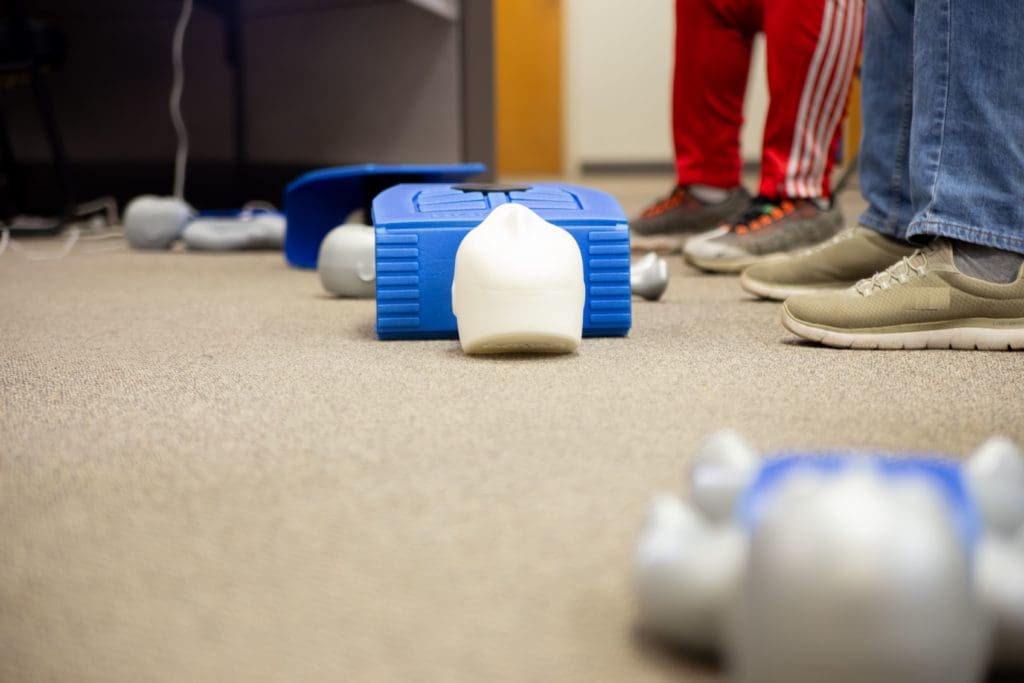
For procurement teams, this is also where compatibility and service come up. When sourcing Zoll AED accessories Canada organizations may need for replacements, choose vendors that also carry Defibtech training consumables. One invoice, fewer delays, and a single shipping stream helps when you cover a large region. Many providers that focus on first aid supplies online Canada wide can bundle AED, trainer, oxygen, and airway items in one shipment, ideally with tracking that works in rural postal codes.
Cold weather, storage, and transport across provinces
Canadian winters test adhesives and plastics. Training pads do not like freeze-thaw cycles. If your gear lives in a vehicle, keep it insulated and rotate stock into warm storage between courses. LCD screens on VIEW trainers can slow at low temperatures, which looks like laggy animations or faint backlight. That is not a defect, it is physics. Warm the unit and it returns to normal.
Shipping also changes in winter. Lithium batteries trigger hazmat routing, and snow can strand ground shipments. Build a two-week buffer into your consumables planning from November to March. When working in the territories or along the North Shore of Quebec, coordinate CPR supply delivery Canada carriers who know the depots and schedules. The extra phone call avoids a last-minute scramble.
Cleaning protocols and post-pandemic habits that endure
The pandemic pushed all of us to rethink cleaning between students. Many of those practices endure because they make classes flow better. Use manikins with removable faces for breath practice if your body mandates ventilations. For AED training, wipe the torso after each student with an approved disinfectant that does not degrade plastic. Alcohol-heavy wipes can dry pad gel quickly if residue is left on the chest, so a quick dry cloth pass helps. Rotate pads across stations to distribute wear.
Store trainers and pads dry, flat, and away from heat. A stack of pads curled around a power adapter is a guarantee of poor adhesion next time. Label each pad set to a station so problems trace back easily.
Budgeting, lifespan, and when to refresh
Training programs run on tight budgets. A well-maintained Defibtech training unit should last several years of regular use. What you will buy most are pads and the occasional battery or remote. Factor in a replacement cycle for trainers every five to seven years if your usage is heavy. Plastic fatigues, switches wear, and new curriculum versions sometimes make older prompts feel out of date.
Watch for small signs: inconsistent volume, buttons that require extra pressure, or cases that will not close cleanly around their foam. Proactive refresh keeps your classes professional and your instructors focused on people, not temperamental gear.
A minimalist checklist for a reliable training day
- Two to four Defibtech AED training units Canada instructors can operate without a learning curve, with spare batteries loaded.
- Adult manikins with feedback features if required by your certifying body, plus pediatric heads or torsos for child scenarios.
- Training pads in labeled sets per station, with at least one full spare per half-day and child pads for pediatric modules.
- First aid oxygen supplies Canada compliant for your course level, airways and PPE if teaching ventilations, and disinfectants that are pad-safe.
- A single-source vendor capable of fast CPR supply delivery Canada wide, with clear shipping ETAs to your teaching locations.
Write this list on the inside of your main case lid. It saves you at 6 a.m. When you are loading the truck.
Final thoughts from the floor
Great training feels simple to the learner. That simplicity rests on planning, reliable gear, and exercises that mirror real decision points. Defibtech AED training units deliver the right balance: familiar controls, prompts that match how live AEDs operate, and ruggedness that survives weekly classes and cross-country travel. Pair them with a lean kit, a dependable source for first aid supplies online Canada buyers trust, and a rhythm that respects how adults learn under mild stress.
The moments that stick usually come near the end of a day, when a student who walked in nervous nails a scenario from call to shock to compressions without a hitch. I have seen that confidence carry into real incidents, including a successful save in a hockey arena where the first responder was a rink attendant who had trained three months earlier. When your equipment fades into the background and your students step up, you know you chose the right tools.
CPR Depot Canada — Business Info (NAP)
Name: CPR Depot CanadaAddress: 340 Croft Dr, Tecumseh, ON N8N 2L9
Phone: +1-877-570-7322
Website: https://cpr-depot.ca/
Email: [email protected]
Hours:
Monday: 9:00 AM – 6:00 PM
Tuesday: 9:00 AM – 6:00 PM
Wednesday: 9:00 AM – 6:00 PM
Thursday: 9:00 AM – 6:00 PM
Friday: 9:00 AM – 6:00 PM
Saturday: Closed
Sunday: Closed
Open-location code (Plus Code): 8537+C8 Tecumseh, Ontario
Map/listing URL: https://www.google.com/maps/place/CPR+Depot/@42.3036,-82.8392601,17z/data=!3m1!4b1!4m6!3m5!1s0x883b2aedd5f271a1:0xfee6f8b7ab8f4110!8m2!3d42.3036!4d-82.8366852!16s%2Fg%2F1q6cff15h
Embed iframe:
Socials:
https://www.facebook.com/people/CPR-Depot-Inc/61575911496200/ https://www.instagram.com/cprdepotinc/ https://www.youtube.com/@CPRDepot
https://cpr-depot.ca/
CPR Depot Canada is a supplier of medical training products and related supplies serving customers across Canada.
The business is listed at 340 Croft Dr, Tecumseh, ON N8N 2L9.
To contact CPR Depot Canada, email [email protected] or call +1-877-570-7322.
Hours listed are Monday–Friday 9:00 AM–6:00 PM, with Saturday and Sunday closed.
For directions and listing details, use: https://www.google.com/maps/place/CPR+Depot/@42.3036,-82.8392601,17z/data=!3m1!4b1!4m6!3m5!1s0x883b2aedd5f271a1:0xfee6f8b7ab8f4110!8m2!3d42.3036!4d-82.8366852!16s%2Fg%2F1q6cff15h
Popular Questions About CPR Depot Canada
Where is CPR Depot Canada located?CPR Depot Canada is listed at 340 Croft Dr, Tecumseh, ON N8N 2L9.
What are the hours for CPR Depot Canada?
Hours listed: Monday–Friday 9:00 AM–6:00 PM; Saturday and Sunday closed.
What does CPR Depot Canada sell or provide?
CPR Depot Canada supplies medical and first aid training products and related equipment (product availability varies).
Do they ship across Canada?
The business markets to Canadian customers and operates as a Canada-wide supplier; confirm shipping options at checkout or by contacting [email protected].
How can I contact CPR Depot Canada?
Phone: +1-877-570-7322
Email: [email protected]
Website: https://cpr-depot.ca/
Map: https://www.google.com/maps/place/CPR+Depot/@42.3036,-82.8392601,17z/data=!3m1!4b1!4m6!3m5!1s0x883b2aedd5f271a1:0xfee6f8b7ab8f4110!8m2!3d42.3036!4d-82.8366852!16s%2Fg%2F1q6cff15h
Landmarks Near Tecumseh, ON
1) Tecumseh Town Hall2) Lacasse Park
3) Lakewood Park
4) WFCU Centre (Windsor)
5) Devonshire Mall (Windsor)