Defibtech AED Training Units Across Canada: Setup, Maintenance, and Tips
Automated external defibrillators save lives, but only if people are willing to grab the device and use it with confidence. That confidence comes from good practice, realistic scenarios, and equipment that behaves the way the real unit will. Over the past decade I have set up Defibtech AED training units in community centres from Vancouver Island to Cape Breton, inside mine sites in Northern Ontario, and in hockey arenas in the Prairies. The same lessons keep coming back: keep the training gear dependable, make the experience true to life, and plan around Canada’s distance and climate.
This guide focuses on Defibtech AED training units in Canada, with practical detail on how to set them up, how to keep them running, and how to integrate them into a broader first aid program. I will also note where other brands and supplies, like Zoll AED accessories Canada providers carry, can complement a Defibtech training setup without creating compatibility headaches.
What a proper training unit needs to deliver
A training AED is not a toy. It should mirror the prompts, timing, and pad placement of the real AED, minus the shock. With Defibtech, that means a trainer that speaks clearly, follows the same button layout as the operational Lifeline or Lifeline VIEW model, and allows instructors to inject variables. Good trainers let you simulate no shock advised rhythms, false starts from poor pad contact, and the rhythm reanalysis that disrupts well meaning rescuers if they forget to stand clear. If your unit can do those three things, your learners will feel the rhythm of a real call.
In bilingual settings, the voice prompts matter as much as the pacing. Many Canadian workplaces need English and French options for compliance and for inclusion. When I teach in Gatineau or parts of New Brunswick, I set the trainer to French for one scenario, then repeat the drill in English, so everyone hears both. Defibtech trainers typically offer language packs. If yours does not have both languages out of the box, ask your supplier about a bilingual module before the course, not the day of.
The look and feel also count. If your operational AED has a screen, like the Lifeline VIEW, consider using the matching Defibtech trainer with the same user interface. Crews that train on a basic trainer with only voice prompts, then meet a screen during an actual emergency, can lose a few seconds to uncertainty. That small pause costs nothing in class, yet it can loom large when an alarm is ringing in a factory.
A quick setup workflow that saves time
The most common setup headaches I encounter are dead trainer batteries and training pads that no longer stick. Both are preventable. If you inherit a kit from another department or a previous instructor, budget 15 minutes before your first class to sort it out. A simple sequence minimizes surprises.
- Unpack and power test: confirm the trainer powers on, check volume, and cycle through at least one scenario.
- Pair accessories: verify that any remote control, metronome, or instructor module is synced and functioning.
- Prepare pads: attach fresh training pads to lead wires, then stage them on a manikin to confirm adhesion and cable reach.
- Set language and prompts: choose English, French, or bilingual cycling, and confirm child mode where applicable.
- Stage the room: position the trainer, manikins, and a basic first aid kit so learners move naturally through the steps.
That staging step makes a difference. I place the AED trainer slightly behind and to the side of the manikin, not at the foot. Real scenes are rarely tidy, and learners who have to reach a bit, then find the power button, remember the search path later under stress.
Pad placement and child mode without shortcuts
Good training focuses on pad placement habits that carry to real life. For adult placement, teach anterior lateral: right pad just below the collarbone to the right of the sternum, left pad below the armpit on the side of the chest. For small children, many protocols accept anterior posterior placement if the pads overlap in the front. Defibtech training pads are typically labeled, and some child training pads are smaller to reinforce the visual cue. If your class includes childcare staff or elementary school teachers, run at least one child scenario and physically switch to child pads or child mode. It adds two minutes to the lesson and can anchor the memory.
One caution I offer in every session: training pads are designed for manikins and human skin in a classroom, not for your operational AED. Keep the training consumables in their own pouch, and keep sealed, clinical adult and child pads in your real AED. I have seen well meaning staff peel open the clinical pads for a drill, then put them back with tape. That pack is now compromised, and you might not know until an emergency. Label your training kit clearly, and keep it separate from the live AED cabinet.
Common Canadian constraints: cold, distance, and delivery timing
Training units tolerate wider temperatures than live AEDs, but batteries and adhesives still suffer in extremes. In Nunavut and northern Quebec, I have opened cases that rode in unheated trucks at -30 C. The trainer will power on, but pads curl and adhesives fail. If you teach in winter away from urban centres, carry a small insulated pouch inside your jacket for pads, and keep spare adhesive gel in your bag. Give the kit ten minutes in room temperature before class begins.
Shipping time is the other Canadian reality. If you rely on first aid supplies online Canada retailers, plan backward from your course date. In my experience, next day delivery to the Lower Mainland or the GTA is routine. For coastal BC, the North, or the Atlantic provinces, expect three to seven business days, longer if weather interrupts ferries or flights. Good suppliers show stock levels and estimated ship dates for Defibtech AED training units Canada wide, and some offer CPR supply delivery Canada with rushed options. If your course depends on a fresh batch of training pads or a replacement trainer battery, do not gamble on a two day window across the Rockies in January.
Pairing Defibtech trainers with manikins and CPR feedback tools
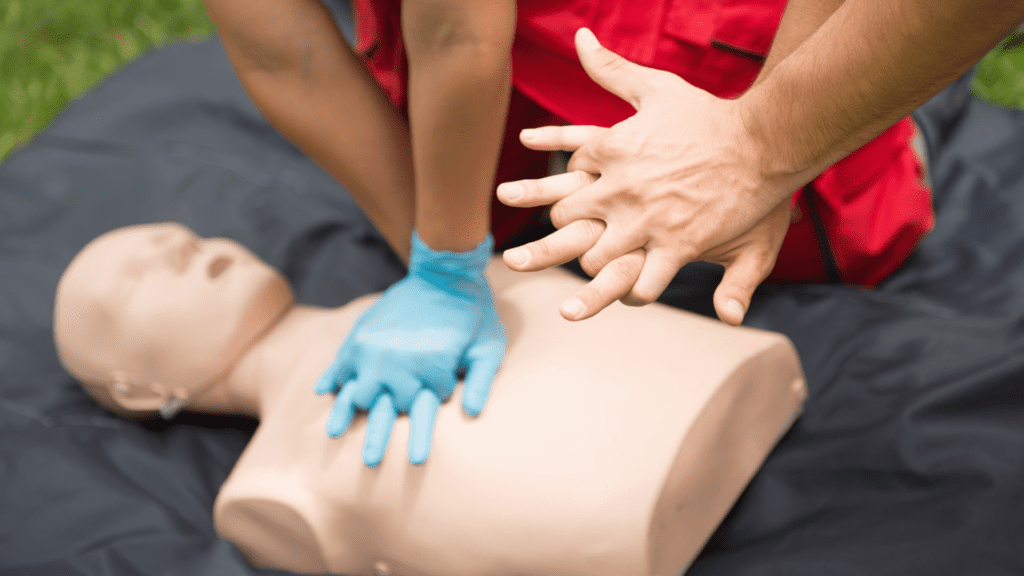
A clean pairing of trainer and manikin makes your session smoother. Most of my kits use standard adult manikins with vinyl torsos. Training pads adhere well when the surface is clean and dry. If you use alcohol wipes between learners, let the surface fully dry to avoid lifting. For feedback, metronomes that beep at 100 to 120 compressions per minute align with Heart and Stroke recommendations. Some manikins have integrated compression depth indicators. That feedback is gold, especially for new learners who hesitate to press hard enough. The trainer should not fight the feedback tool. Set the Defibtech trainer volume high enough to compete with a classroom, but low enough that learners can still hear the metronome.
If you integrate oxygen practice, keep the line between training and clinical sharp. Many programs include airway and oxygen modules, and several vendors offer first aid oxygen supplies Canada wide that ship with regulators, cylinders, and masks. Use training regulators and empty or simulator cylinders in class. Do not drag a clinical oxygen kit into a community centre unless you have a secure storage plan and appropriate supervision. Oxygen adds complexity to scenarios, so introduce it after learners are comfortable with the AED and CPR sequence, not before.
Maintenance that actually prevents failure
The maintenance rhythm for training units looks simple on paper. In practice, busy instructors forget, and issues crop up in front of a room. I keep a small log card in each kit with dates and notes. The items that matter most are batteries, pads, cables, and software or language settings. The target is not perfection, just predictability.
- Monthly battery check: power cycle the trainer, confirm the low battery indicator is off, and replace or recharge as needed.
- Pad refresh: test pad adhesion on a manikin torso, swap out pads that lift at the edges or leave residue.
- Cable and connector inspection: seat each connector firmly, look for kinks along the lead wire, and coil loosely for storage.
- Prompt verification: run a shock advised and no shock advised scenario in both English and French if your site needs bilingual operation.
- Cleanliness and storage: wipe the case and trainer body, remove dust from speaker grills, and store above floor level away from extreme heat or cold.
Batteries deserve a special note. Trainer models vary. Some use AA or C cells, others rely on rechargeable packs or AC adapters. Avoid assumptions. Carry spare consumer batteries in your bag if that is what your units use, and pack an extension cord if your trainer supports mains power. In corporate training rooms I often find three outlets for ten devices, and the one near my table is dead. A short cord and a compact power bar have saved my morning more than once.
Language, labels, and inclusive classrooms
Canada’s patchwork of workplaces makes inclusive training a necessity rather than a nice to have. If you teach in a federally regulated environment or bilingual region, confirm that your Defibtech trainer offers both languages. Some providers can preload bilingual voice modules. Printed materials should match the session. Learners who read prompts off the trainer body need English and French labels that are not peeling or faded. Replace overlays that have been cleaned to the point of illegibility. When I hand a learner the trainer, I watch how their eyes track across the device. If they hesitate at a button label, I fix the label before the next class.
In diverse teams, I also narrate pad placement with both words and touch, for learners who process information differently. I describe locations with plain references, not medical shorthand: upper right chest below the collarbone, left side below the armpit. This costs a few seconds and pays off every time.
Integrating Defibtech trainers into a broader AED and first aid program
A training unit is only one piece. Most organizations keep a mix of brands in their cabinets for historical reasons or because of procurement cycles. When I visit a site with Defibtech operational units in some areas and Zoll units in others, I avoid mixing consumables. You can, however, standardize peripheral items. Wall cabinets, rescue ready signs, and carry cases are brand agnostic. Many suppliers who carry Zoll AED accessories Canada wide also stock neutral accessories that suit Defibtech sizes. A universal wall bracket or a clearly labeled response kit with gloves, razor, and shears helps create a consistent look and reduces scavenging across brands.
If your firm trains in multiple provinces, align your training scenarios with the most conservative provincial requirements you face, then document the differences. For example, certain jurisdictions emphasize early EMS activation explicitly before AED application, while others teach a more fluid approach depending on bystander count. Defibtech trainers let you pause prompts and reanalyze timing so you can flex to either style without confusing learners.
Troubleshooting the issues I see most
Two problems account for most mid class delays. The first is pads that have lost their tack. Learners struggle to place the pad, it curls up, and the trainer announces poor contact. Replace training pads sooner than you think, especially in hot rooms where adhesive softens. Store a spare set in a flat folder, not folded into a tight pouch.
The second problem is accidental activation of child mode or an inappropriate energy simulation that throws off the sequence. On some trainers, child mode is a physical switch or a specific pad set. Make a habit of confirming mode out loud before each scenario. In mixed adult child classes, I set the trainer to adult for the first half, then child for a dedicated pediatric sequence, so we do not toggle rapidly and forget where we left it.
Occasionally you will encounter electrical noise or feedback if the trainer sits too close to certain AV equipment. I once spent ten minutes hunting a phantom prompt that turned out to be a wireless mic receiver tickling the trainer speaker. Move the unit a metre away from sound equipment and projectors if you hear static or chopped prompts.
Buying and replenishing supplies without drama
Procurement that respects lead times and avoids brand mismatches keeps your program calm. When ordering Defibtech AED training units Canada based buyers should confirm model compatibility with existing operational units. A trainer styled after the Lifeline VIEW feels familiar to teams who carry that device, while a basic Lifeline style trainer works for sites with entry level units. If your organization buys through a centralized vendor, ask whether language modules, spare training pads, and carry cases are included. Bundles vary, and unbundled accessories often cost more in the long run.
For replenishment, choose a supplier with transparent inventory and realistic timelines. Many Canadian vendors offer CPR supply delivery Canada wide with tracking. That matters if you teach in cycles and need to replenish between back to back weeks. Keep a simple spreadsheet or even a notebook tally of how many classes a set of pads survives in your environment. I get 12 to 20 full classes from one set before adhesion drops below acceptable, less in summer with no air conditioning. Knowing your burn rate keeps you out of panic purchases.
Safety boundaries between training and clinical gear
A washable trainer looks like a real AED. That is the point. It also creates risk if staff treat the trainer as operational in an emergency. Label your trainer on the front face with TRAINER in large, high contrast letters. Store it far from the operational cabinet. During onboarding, show new team members the difference between the trainer and the live unit. Explain that training pads and training cables never connect to the live device.
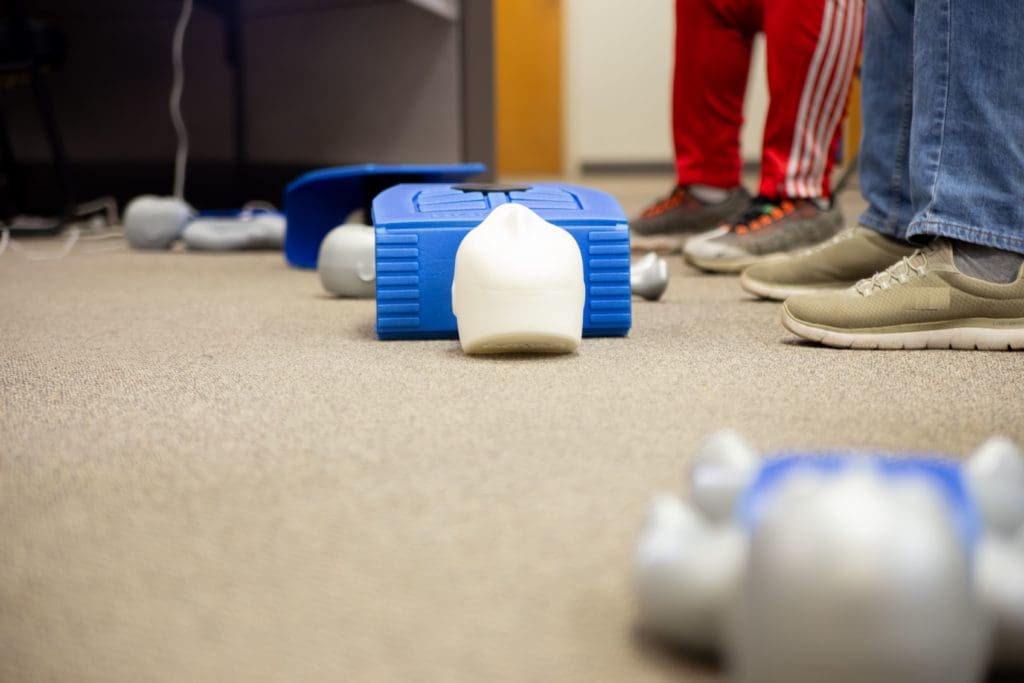
Keep clinical consumables intact. Do not borrow the razor or shears from the live response kit because your spare bag is in another room. Most vendors who sell first aid supplies online Canada wide offer inexpensive add on kits for training bags. A duplicate set of low cost tools in your trainer case means you never open the clinical kit for class.
Coordinating with external responders and regulators
If your site has an on site security team, nurse, or emergency response unit, bring them into your AED practice twice a year. I have seen friction disappear when security staff walk through a drill with operations. Use the Defibtech trainer to simulate a realistic handoff. At the same time, verify that your AED registration with local EMS is current. Many Canadian municipalities allow voluntary registration so dispatchers can guide callers to the nearest device. Registration is free, yet it slips through the cracks when buildings change hands.
Regulatory bodies seldom dictate brand choices, but they do expect readiness and records. Keep a short log of training events, device inspections, and maintenance actions. In provincial audits I have sat through, inspectors care less about the logo on your AED and more about whether you can prove you check it, train people, and replace consumables before they expire.
When cross brand accessories help, and when they do not
In mixed fleets, the urge to make everything universal is strong. Cabinets, signs, and wall brackets, as noted earlier, are safe to standardize. Response kits with gloves, barrier masks, and razors are also fine across brands. Where cross brand thinking fails is with pads, batteries, and software. Do not try to make a Zoll training pad work with a Defibtech trainer, or vice versa. You may find online claims of compatibility for certain models, but tolerances change with revisions, and even a snug fit can yield flaky contact. Stick to manufacturer approved training pads and power options.
That said, browsing catalogues for Zoll AED accessories Canada retailers carry can be useful if you are outfitting a response station or classroom. Sturdy wall signs, audible alarm cabinets, and padded carry cases from general purpose lines fit Defibtech units just fine. If your procurement team has a preferred vendor relationship on the Zoll side, you can still create a cohesive environment around your Defibtech trainers without mixing critical components.
Realistic scenarios that stick with learners
After the basics, push your training into messier territory. I like to run a scenario where the first set of pads fails to stick on a sweaty manikin, forcing the team to dry the chest with a towel from the kit and press the pads firmly. Another reliable scenario involves a talkative bystander who distracts the rescuer just as the trainer advises a shock. The rescuer needs to call for clear space and press the button with conviction. These moments make the eventual real call feel familiar.
If your workforce includes shift workers or teams in noisy environments, simulate that as well. Turn up background audio, dim the lights slightly, and see if learners can still follow the prompts. Defibtech trainers have reasonably strong speakers, but classroom acoustics vary. Position learners so they hear, and coach them to watch the flashing shock button as a visual cue.
Building resilience in remote and high turnover sites
In seasonal operations and remote camps, trainers sometimes live in closets for months and then get hammered for two days of back to back sessions. The kit that survives this pattern is the kit you maintain even when classes are not on the calendar. Assign responsibility. In one mine site in Saskatchewan, a single safety coordinator treated the trainer as her own. She checked it monthly along with fire extinguishers and eyewash stations, wrote a date on a tag, and logged any consumables removed. That habit meant no surprises when a new cohort arrived after spring breakup.
For high turnover retail or hospitality teams, consider micro sessions. Fifteen minute refreshers with a trainer in the break room once a month keep confidence up. You do not need to unpack every accessory. A pair of training pads, a manikin torso, and a Defibtech trainer are enough to keep muscle memory fresh. Learners do not retain compression depth from a single annual session. Repetition, in short bursts, fills the gap.
Final thoughts from the field
The best AED class feels practical, unhurried, and relevant to the people in the room. Defibtech AED training units provide a reliable backbone for that experience as long as you respect their limits and keep the small things in order. In Canada, small things include weather, distance, bilingual needs, and supply timing. Treat the trainer as real in every way that matters - correct prompts, correct pads, correct placement - and keep a hard line between training gear and clinical gear.
Use reputable suppliers. If you source first aid supplies online Canada vendors should be clear about stock and compatible models. If your organization also maintains oxygen capability, lean on https://archerrhqy037.theglensecret.com/defibtech-aed-training-units-across-canada-setup-maintenance-and-tips providers of first aid oxygen supplies Canada wide for training friendly regulators and masks that mirror your clinical gear. And when you need signage, cabinets, or room kits, the wider market, including those who list Zoll AED accessories Canada customers regularly buy, can round out your training environment without compromising core compatibility.
Most of all, set a rhythm. Check the trainer monthly, refresh pads before they fail, and practice often enough that the AED never feels like a stranger on the wall. When a real call comes, the people who trained on familiar prompts and pads will move with purpose, and that purpose buys time, which is the currency that matters.
CPR Depot Canada — Business Info (NAP)
Name: CPR Depot CanadaAddress: 340 Croft Dr, Tecumseh, ON N8N 2L9
Phone: +1-877-570-7322
Website: https://cpr-depot.ca/
Email: [email protected]
Hours:
Monday: 9:00 AM – 6:00 PM
Tuesday: 9:00 AM – 6:00 PM
Wednesday: 9:00 AM – 6:00 PM
Thursday: 9:00 AM – 6:00 PM
Friday: 9:00 AM – 6:00 PM
Saturday: Closed
Sunday: Closed
Open-location code (Plus Code): 8537+C8 Tecumseh, Ontario
Map/listing URL: https://www.google.com/maps/place/CPR+Depot/@42.3036,-82.8392601,17z/data=!3m1!4b1!4m6!3m5!1s0x883b2aedd5f271a1:0xfee6f8b7ab8f4110!8m2!3d42.3036!4d-82.8366852!16s%2Fg%2F1q6cff15h
Embed iframe:
Socials:
https://www.facebook.com/people/CPR-Depot-Inc/61575911496200/ https://www.instagram.com/cprdepotinc/ https://www.youtube.com/@CPRDepot
https://cpr-depot.ca/
CPR Depot Canada is a supplier of medical training products and related supplies serving customers across Canada.
The business is listed at 340 Croft Dr, Tecumseh, ON N8N 2L9.
To contact CPR Depot Canada, email [email protected] or call +1-877-570-7322.
Hours listed are Monday–Friday 9:00 AM–6:00 PM, with Saturday and Sunday closed.
For directions and listing details, use: https://www.google.com/maps/place/CPR+Depot/@42.3036,-82.8392601,17z/data=!3m1!4b1!4m6!3m5!1s0x883b2aedd5f271a1:0xfee6f8b7ab8f4110!8m2!3d42.3036!4d-82.8366852!16s%2Fg%2F1q6cff15h
Popular Questions About CPR Depot Canada
Where is CPR Depot Canada located?CPR Depot Canada is listed at 340 Croft Dr, Tecumseh, ON N8N 2L9.
What are the hours for CPR Depot Canada?
Hours listed: Monday–Friday 9:00 AM–6:00 PM; Saturday and Sunday closed.
What does CPR Depot Canada sell or provide?
CPR Depot Canada supplies medical and first aid training products and related equipment (product availability varies).
Do they ship across Canada?
The business markets to Canadian customers and operates as a Canada-wide supplier; confirm shipping options at checkout or by contacting [email protected].
How can I contact CPR Depot Canada?
Phone: +1-877-570-7322
Email: [email protected]
Website: https://cpr-depot.ca/
Map: https://www.google.com/maps/place/CPR+Depot/@42.3036,-82.8392601,17z/data=!3m1!4b1!4m6!3m5!1s0x883b2aedd5f271a1:0xfee6f8b7ab8f4110!8m2!3d42.3036!4d-82.8366852!16s%2Fg%2F1q6cff15h
Landmarks Near Tecumseh, ON
1) Tecumseh Town Hall2) Lacasse Park
3) Lakewood Park
4) WFCU Centre (Windsor)
5) Devonshire Mall (Windsor)