CPR Training Manikins in Canada: Adult, Child, and Infant Options Compared
Sudden cardiac arrest does not wait for the perfect classroom setup or a full manikin cart. It happens in grocery stores, hockey arenas, remote camps, and crowded office towers. The quality of CPR training someone receives a few weeks earlier often determines how they perform when it is loud, confusing, and high stakes. That is why the choice of manikins, and the way they are outfitted for Canadian training environments, deserves more scrutiny than it often gets.
I have trained new instructors, outfitted community programs, and supported large national rollouts at companies with hundreds of locations from Victoria to St. John’s. The patterns repeat. Programs that invest in the right mix of adult, child, and infant manikins, combined with reliable AED training equipment, see higher pass rates, fewer retests, and more confident responders. Programs that buy on price alone end up with cracked torsos, missing valves, and a shelf full of spare parts by the second year.
This guide compares adult, child, and infant CPR training manikins available in Canada, with an eye to realism, durability, hygiene, logistics, and total cost of ownership. It also touches on AED trainers, CPR instructor packages in Canada, and complementary emergency training equipment that rounds out a mobile classroom.
What realism really means in a classroom
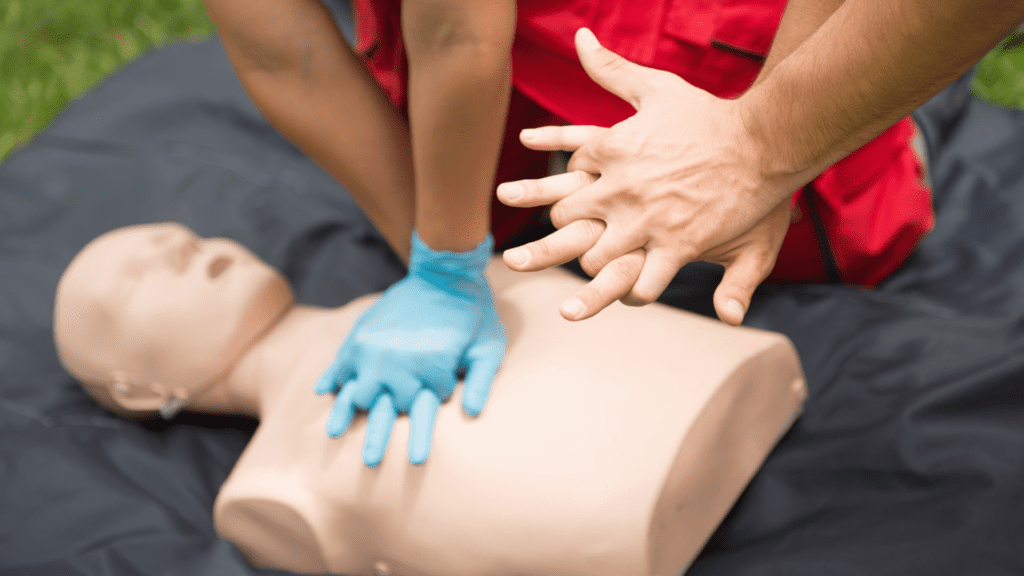
“Realistic” is one of those words that shows up in every brochure, yet it means different things to different users. For a first aid course at a community center, learners need to feel compression resistance and hear or see feedback that tells them they are close to the 5 to 6 cm compression depth for adults and about 4 to 5 cm for children, while infants need one third of the chest depth, about 4 cm. They also need head tilt, chin lift that rewards correct technique, and airways that only open when the head is positioned correctly. For professional responders, the standard rises. They need consistent recoil, stable torsos that do not walk across the floor when pushed at 100 to 120 per minute, and rugged skin that tolerates gloves, watch bands, and repeated cleaning.
I have seen classes where students mastered compression rate but failed on depth because the torsos softened after a few hundred compressions. Conversely, a set of hard, older torsos trained students into shallow compressions to keep the clicker quiet. The best manikins maintain calibration over time, not just in the first month.
Adult manikins: from basic torsos to feedback platforms
Adult models shoulder most of the training load. A busy instructor might put 15 to 30 learners through an adult manikin in a day. With that use, the questions to ask are simple. How long will the chest springs hold their depth profile. How reliable is the feedback at different hand positions. How quickly can I clean and reset between groups. How much do consumables cost per student.
Most Canadian programs work with one of four families:
-
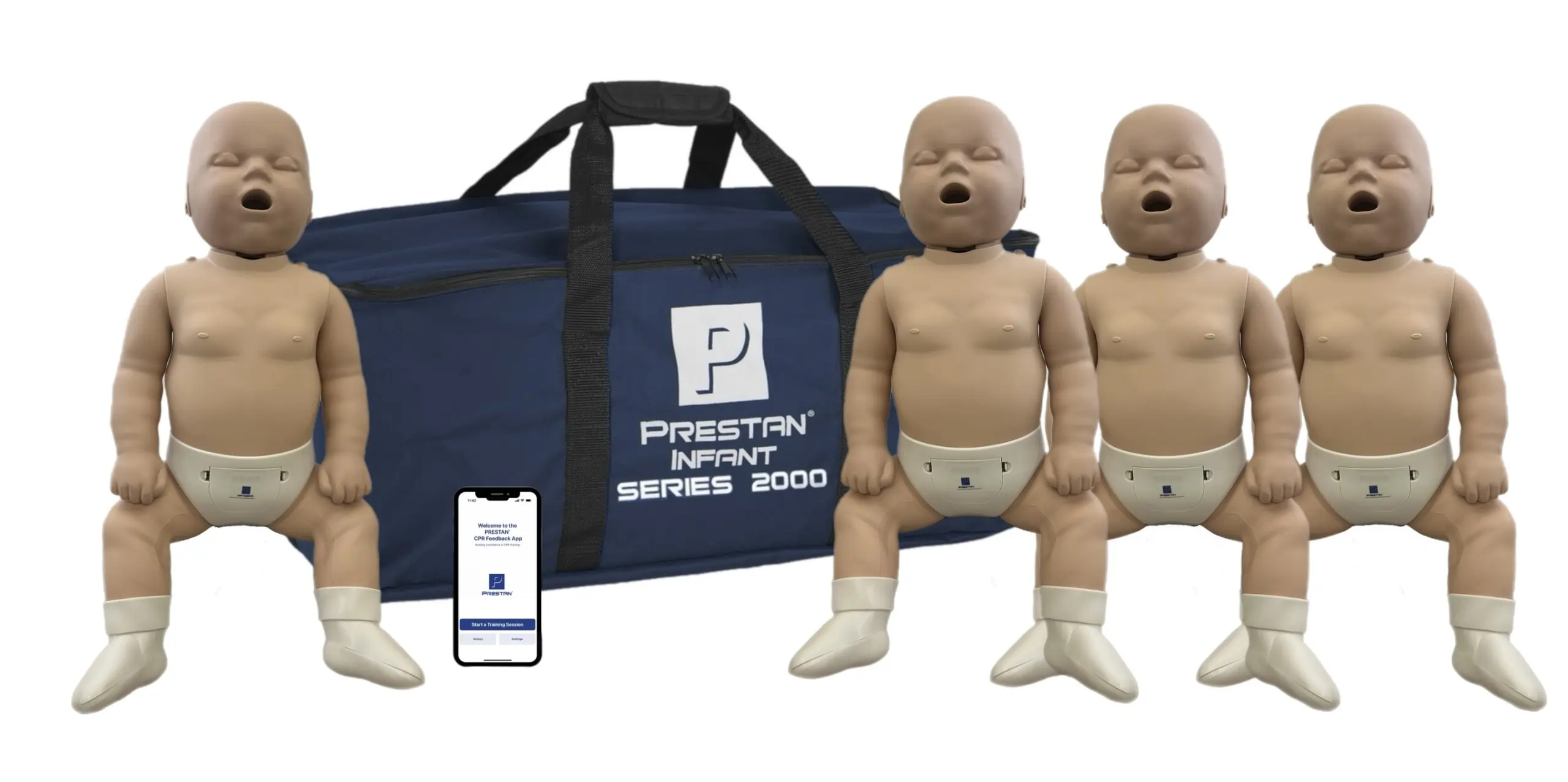
Prestan Adult Series, including the Professional Adult and Adult Series 2000. Prestan torsos are known for their audible clicker and visible chest rise. The Series 2000 adds Bluetooth feedback for rate, depth, and recoil in a basic app. They are light, stackable, and forgiving of rough transport. Face shields and lung bags are inexpensive, which matters when you are running large cohorts. The torsos keep their spring calibration well past the first year if you respect the rated depth range and swap springs on schedule.
-
Laerdal Little Anne and Little Anne QCPR. Laerdal’s QCPR app suite is the most polished. You get clear coaching on fraction, hand position, and release. The torsos feel solid, with predictable recoil and weight that keeps them planted. The airway mechanism rewards proper head tilt. Lung bags cost a little more than budget brands, and the initial price is higher, but the long wear life balances that for programs with heavy throughput.
-
Brayden Pro/Plus. Brayden made a name with LED blood flow lights that activate with adequate rate, depth, and recoil. For kinesthetic learners, this visual is powerful. The chest plate is firm, and the design tolerates frequent disassembly for cleaning. Spare parts are easy to source in Canada through established distributors.
-
Ambu Man and Ambu Basic. Ambu’s long history shows in their build quality. The adult torsos breathe well and have a realistic rib feel. Some models support hand placement sensors and optional tablet feedback. The heads tend to be durable and resist tearing around the jawline, which is a failure point on cheaper clones.
In actual classrooms, the differences show up in reset time and battery habits as much as in compression feel. If you teach in community halls where you arrive, teach, and pack out within two hours, light torsos with quick-change lungs keep you on schedule. If you run multi-day courses for nurses or paramedics, app feedback that stores session data helps with assessments. The Canadian market supports all of the above brands, with parts and warranty service available domestically, which matters when weather delays shipments and you have a course on Monday.
Child manikins: not just smaller adults
The mistake I see most often is assuming you can set an adult torso to a shallower depth and call it a day. Pediatric anatomy differs. The sternum is thinner, ribs are more flexible, and the hand placement changes, especially for children under puberty. Learners who practice on a dedicated child manikin pick up those cues better.
Prestan Child and Laerdal Little Junior both do a good job with proportion and chest compliance. The Prestan child torso gives a lighter click and slightly softer recoil, matching what you feel on a real pediatric chest. Little Junior QCPR plugs into the same Laerdal feedback ecosystem as Little Anne, which simplifies instructor dashboards. If you want standalone realism without an app, Ambu’s child models offer a convincing airway and chest rise with manual monitoring. For programs that mix child and adult in rapid drills, keep color coding consistent, for example blue for child, tan for adult, so hand placement errors do not creep in when learners are stressed.
One practical note for Canadian schools and youth sports organizations. Transporting a set of dedicated child manikins is often the rate limiter, not the budget. A four pack of child torsos with soft case typically fits into a compact hatchback trunk alongside an AED trainer and first aid kit. If your instructors use transit in major cities, weight becomes a hard limit. Prestan’s lighter torsos and slim cases help here.
Infant manikins: airway nuance and two finger technique
Infant CPR training divides groups. Some learners come in hesitant to compress a baby’s chest. Others treat it like an adult drill. Good infant manikins correct both tendencies through feel and feedback. The most useful design features are a sensitive airway that only opens with proper head tilt and jaw support, options for two finger and two thumb encircling compressions, and choking modules with removable foreign bodies.
Laerdal Baby Anne and Baby QCPR are common in hospital affiliated programs. The QCPR variant provides rate and depth guidance appropriate to infants and penalizes overcompression. Prestan Infant and Ambu Baby do well in community courses, especially when instructors want quick setup and lung swap. I have also seen effective training with budget infant torsos in remote communities, where the priority was to have any infant model at all rather than wait weeks for a premium shipment. The error rates for hand technique were higher on those budget torsos, so instructors compensated with more one on one coaching.
If you teach choking relief, invest in at least one infant manikin with a foreign body airway module that can be reset quickly. There are standalone choking trainers, but an infant CPR manikin that can simulate poor air entry after a back blow sequence builds continuity for learners.
Feedback technology, batteries, and the reality of app management
Smart feedback has raised the floor on CPR performance. Even basic lightbars help learners hit 100 to 120 compressions per minute and release fully. Full QCPR systems add hand position, ventilation volume, and compression fraction. The question is not whether feedback helps, it is whether your environment supports it.
Here is what typically works in Canada’s training contexts:
-
Urban classrooms with stable Wi Fi and time for setup often get the most out of Laerdal QCPR or Brayden Pro apps. Data can be exported for quality improvement. If you teach through a college or health system, IT approvals for app installation and Bluetooth pairing should be sorted in advance.
-
Community based or mobile programs do well with self contained feedback. Prestan’s Series 2000 reads into a basic app if you want it, but also shows status on the torso. That reduces dependency on tablets that may be dead or subject to school device policies.
-
Remote or industrial sites, northern camps, and wildfire bases need manikins that function without apps in cold or dusty rooms, with gloves on. Mechanical clickers and on torso LEDs beat tablet dashboards in those settings. Battery type matters. Kits that use AA or AAA alkaline cells, widely available across Canada, keep courses running when lithium pouch packs are delayed.
A simple battery protocol saves courses. Assign a small pouch per 4 pack with two spare sets of AA or AAA cells, a screwdriver for battery doors, and alcohol wipes. Train assistants to check charge levels before lunch. It sounds small, but it saves the embarrassing dance of swapping manikins mid assessment.
Hygiene, consumables, and the pace of resets
Hygiene standards rose during the pandemic and have stayed elevated. The Heart and Stroke Foundation of Canada and provincial regulators expect surface disinfection between users and either one way valves with face shields or dedicated lungs per student. In practice, that means you want:
-
Lungs or valve bags that install in under 30 seconds without tearing.
-
Faces that can be wiped without smearing or staining.
-
Cases that allow airflow so damp components do not mold during winter storage.
Prestan’s flat lung bags slide in quickly and are inexpensive. Laerdal’s lungs cost more, but the head and jaw assembly stands up to frequent disassembly. Ambu’s face pieces tend to resist cleaning agents well, which shows over a two year cycle when others start to shine or crack. For heavy use, plan on a lung bag per student per station, then add 10 to 15 percent more for spares.
On cleaning agents, use what the manufacturer specifies. Many Canadian instructors rely on hospital grade wipes with quats or accelerated hydrogen peroxide. Bleach based cleaners can damage some skins and leave a residue that irritates hands. In winter, avoid packing damp torsos into a frozen car trunk. Condensation on arrival can mess with electronics and cause odours. A simple drying rack made from wire shelving can keep lungs open to air overnight.
AED training equipment in Canada that pairs well with manikins
CPR without defibrillation is only half the story. AED training equipment Canada wide needs to look and behave like the devices learners will see in office towers, arenas, and airports. Most programs choose either a universal AED trainer that can simulate multiple brands or a brand specific trainer if the organization has standardized.
The Prestan AED UltraTrainer is the workhorse in many community and corporate programs. It is compact, runs on AA batteries, and ships with multiple language settings, usually English and French, which is helpful for Quebec and bilingual teams. It supports adult and child modes and includes remote control options for instructors.
Zoll AED Plus Trainer 2, Physio Control Lifepak CR2 trainer, and Heartsine Samaritan trainer units are widely available from Canadian distributors. If your facilities already own a fleet of a specific AED, get that brand’s trainer. Muscle memory matters. Learners remember the lid orientation, pad packaging, and voice prompts. Standardizing pads across trainers and live units reduces mistakes later.
A small but overlooked factor is replacement training pads. In cold environments, some adhesives become too sticky and tear. In warm rooms, the opposite happens. Keep spare pads in a sealed pouch, rotate stock, and label training pads clearly so they never migrate onto real AEDs. Check local regulations for public access defibrillation signage and maintenance logs. Tying AED drills to CPR practice https://ricardoawxx829.tearosediner.net/top-zoll-aed-accessories-in-canada-what-every-responder-needs makes the session feel like a coherent response rather than disjointed skills.
CPR instructor packages in Canada: what a complete kit actually needs
Distributor bundles can be great, or they can load you with things you do not need. The best CPR instructor packages Canada wide share a few traits. They include a balanced set of adult, child, and infant manikins, not just adult torsos. They ship with enough lungs and face shields for at least 100 learners before you have to reorder. The AED trainer and spare pads match the site’s live AED brand. There is space in the cases for wipes, nitrile gloves, and a compact first aid kit for minor cuts that inevitably happen when someone bumps a sharp zipper.
Ask for warranties in writing. One year is common. Two years is better, particularly for electronics. Confirm that parts will ship domestically, and ask about lead times. I have waited three weeks for a specific jaw hinge during peak season. That is a course reschedule in some programs.
Instructors who travel by air should also consider case dimensions. Standard rolling cases that fit as checked baggage are easier than oversized bins that trigger oversize fees. Hard cases earn their keep when your gear bounces in contractor trucks and winter vans. Soft cases are plenty for city instructors who store gear indoors and carry it short distances.
Emergency training equipment that fills the gaps
CPR training trips often become multipurpose. You get to site and someone asks for first aid refreshers or choking drills for the daycare team. A lean add on kit covers those requests without a second vehicle. The mix that has served me best in Canada includes:
-
One adult choking vest with replaceable foam plugs. It lets you practice abdominal thrusts safely.
-
A compact first aid training kit with triangular bandages, roller gauze, splints, and gloves, separate from your course legal first aid kit. Keep it for demos so your legal kit stays sealed and compliant.
-
Pocket masks with replaceable one way valves for mouth to mask demos. Face shields are fine for large groups, but a proper mask builds confidence.
-
A small oxygen training regulator and demo cylinder shell if you work with lifeguards or industrial rescue teams. Make sure it is marked clearly for training only.
-
Printed performance sheets and alcohol resistant clipboards. Apps are great, paper still wins in a cold rink where tablet screens lag.
These additions weigh under 10 kg and fit into a single duffel. They turn CPR and AED skills into a more complete emergency training equipment package without overwhelming a solo instructor.
Costs and budgeting in Canadian terms
Programs plan on three to five year cycles. In that window, consumables, shipping, and downtime matter as much as sticker price. As of this year, realistic ranges in Canada look like this:
-
Adult torsos with feedback: roughly 350 to 700 CAD per unit, with 4 packs often discounted to 1,200 to 2,400 CAD depending on brand and app features.
-
Child torsos: about 275 to 550 CAD per unit, again cheaper in bundles.
-
Infant manikins: 250 to 500 CAD each. Bundles of four are common.
-
AED trainers: 200 to 500 CAD for universal units, 450 to 900 CAD for brand specific trainers with more advanced prompts.
-
Consumables: lung bags 0.30 to 1.20 CAD per unit, face shields 0.10 to 0.40 CAD, training AED pads 25 to 90 CAD per set depending on brand.
-
Cases and accessories: soft cases 80 to 200 CAD, hard cases 200 to 500 CAD.
Freight within Canada adds friction, especially to northern regions. Budget 5 to 12 percent of order value for shipping within major corridors, more for remote destinations. If you run seasonal programs, order consumables in bulk ahead of winter when road closures and storms slow carriers.
Standards, alignment, and bilingual delivery
Courses in Canada often align with Heart and Stroke, Red Cross, Lifesaving Society, or provincial workplace standards. At the skill level, the compression rate and depth targets reflect ILCOR and AHA guidance. Good manikins help you stay within those metrics. They do not need to be certified by a specific body, but it helps if your documentation shows how their feedback aligns with current guidelines.
Bilingual audio prompts on AED trainers matter when you operate in Quebec or serve national clients. Many units include English and French out of the box, but check that your language pack is correct before shipping to site. Replace prompt cards with bilingual versions where possible.
Field notes from Canadian classrooms
A few small realities that rarely make it into spec sheets:
-
Vinyl and silicone stiffness changes with temperature. In a cold rink, torsos may feel harder for the first few minutes. Cold lungs crinkle and do not seat well. Arrive 20 minutes early, warm cases indoors, and pre install lungs.
-
Floors matter. Old hardwood floors can be slick, rubber gym floors grippy. Heavy torsos move less on slick floors. For light torsos, a thin yoga mat under the base prevents the walking manikin problem when compressions get vigorous.
-
Travel eats gears. Rolling cases protect heads and faces better than duffels in the back of a truck. If you must stack, put faces toward the center, not out against case walls where they take impacts.
-
Loaner pools save courses. If your program runs more than 10 courses per month, build a small pool of loaner torsos. When something breaks the day before a session, you will be glad you did.
-
Do a quarterly deep clean. Disassemble heads, wash skins per manufacturer guidance, inspect springs and hinges, and replace any suspect parts. Put it on a calendar. A missed deep clean costs you later.
A short list to match manikins to your setting
-
For high volume community courses with limited setup time, choose light, stackable adult and child torsos with on board feedback, for example Prestan Adult Series 2000 and Child, paired with a compact AED trainer like the UltraTrainer.
-
For healthcare education where assessment data matters, choose Laerdal Little Anne and Little Junior QCPR plus Baby QCPR, and standardize on tablets approved by your IT team.
-
For industrial and remote programs, prioritize rugged skins, mechanical feedback that works with gloves, AA battery power, and hard cases. Mix adult torsos with one or two infant models that have choking modules.
-
For bilingual national rollouts, select AED trainers with English and French audio, and print laminated quick guides in both languages to clip to each unit.
-
For instructor apprenticeships, buy one premium feedback torso per kit to anchor debriefs, then support it with basic torsos for reps. That gives you data without overcomplicating setup.
A practical checklist before you place a Canadian order
-
Confirm your student to manikin ratio. For basic CPR, aim for no more than 3 students per adult torso, 3 per child, and 2 per infant during skills. Ratios drive how many you truly need.
-
Map your shipping and storage realities. Measure car trunks, check elevator sizes, and decide on soft versus hard cases accordingly.
-
Align AED trainers with your installed AED brand where possible. If unknown or mixed, choose a universal trainer with bilingual prompts.
-
Price consumables for a full year of classes, not just a pilot. Include a 10 to 15 percent buffer for loss and damage.
-
Verify warranty terms, parts availability in Canada, and expected lead times. Ask the distributor about their loaner policy when something fails during warranty.
The bottom line
There is no single best manikin for all of Canada. There is, however, a best mix for your classrooms, your climate, and your learners. Adult torsos carry the bulk of practice, so choose a set that holds depth and recoil over thousands of compressions. Child models should not be an afterthought. Infant manikins need airway nuance as much as compression realism. Feedback should match your environment, whether that is a polished campus lab with tablets or a rec center with bare walls and a Bluetooth unfriendly ceiling.
Round out the kit with AED training equipment Canada wide learners will actually see, match brands where you can, and keep spare pads ready. If you build CPR instructor packages Canada focused on the realities of transport, language, and maintenance, you will spend less time fighting gear and more time coaching. Finally, invest in the small things that keep a day on track, from spare batteries to extra lung bags. The confidence your learners take out of the room depends on dependable equipment, and dependable equipment starts with good choices made before the first class ever opens its doors.
CPR Depot Canada — Business Info (NAP)
Name: CPR Depot CanadaAddress: 340 Croft Dr, Tecumseh, ON N8N 2L9
Phone: +1-877-570-7322
Website: https://cpr-depot.ca/
Email: [email protected]
Hours:
Monday: 9:00 AM – 6:00 PM
Tuesday: 9:00 AM – 6:00 PM
Wednesday: 9:00 AM – 6:00 PM
Thursday: 9:00 AM – 6:00 PM
Friday: 9:00 AM – 6:00 PM
Saturday: Closed
Sunday: Closed
Open-location code (Plus Code): 8537+C8 Tecumseh, Ontario
Map/listing URL: https://www.google.com/maps/place/CPR+Depot/@42.3036,-82.8392601,17z/data=!3m1!4b1!4m6!3m5!1s0x883b2aedd5f271a1:0xfee6f8b7ab8f4110!8m2!3d42.3036!4d-82.8366852!16s%2Fg%2F1q6cff15h
Embed iframe:
Socials:
https://www.facebook.com/people/CPR-Depot-Inc/61575911496200/ https://www.instagram.com/cprdepotinc/ https://www.youtube.com/@CPRDepot
https://cpr-depot.ca/
CPR Depot Canada is a supplier of medical training products and related supplies serving customers across Canada.
The business is listed at 340 Croft Dr, Tecumseh, ON N8N 2L9.
To contact CPR Depot Canada, email [email protected] or call +1-877-570-7322.
Hours listed are Monday–Friday 9:00 AM–6:00 PM, with Saturday and Sunday closed.
For directions and listing details, use: https://www.google.com/maps/place/CPR+Depot/@42.3036,-82.8392601,17z/data=!3m1!4b1!4m6!3m5!1s0x883b2aedd5f271a1:0xfee6f8b7ab8f4110!8m2!3d42.3036!4d-82.8366852!16s%2Fg%2F1q6cff15h
Popular Questions About CPR Depot Canada
Where is CPR Depot Canada located?CPR Depot Canada is listed at 340 Croft Dr, Tecumseh, ON N8N 2L9.
What are the hours for CPR Depot Canada?
Hours listed: Monday–Friday 9:00 AM–6:00 PM; Saturday and Sunday closed.
What does CPR Depot Canada sell or provide?
CPR Depot Canada supplies medical and first aid training products and related equipment (product availability varies).
Do they ship across Canada?
The business markets to Canadian customers and operates as a Canada-wide supplier; confirm shipping options at checkout or by contacting [email protected].
How can I contact CPR Depot Canada?
Phone: +1-877-570-7322
Email: [email protected]
Website: https://cpr-depot.ca/
Map: https://www.google.com/maps/place/CPR+Depot/@42.3036,-82.8392601,17z/data=!3m1!4b1!4m6!3m5!1s0x883b2aedd5f271a1:0xfee6f8b7ab8f4110!8m2!3d42.3036!4d-82.8366852!16s%2Fg%2F1q6cff15h
Landmarks Near Tecumseh, ON
1) Tecumseh Town Hall2) Lacasse Park
3) Lakewood Park
4) WFCU Centre (Windsor)
5) Devonshire Mall (Windsor)