CPR Instructor Packages Canada: Certification, Curriculum, and Kit Bundles Explained
Building a reliable CPR and first aid training program in Canada starts with two commitments. First, align with the right certifying agency and keep your credentials current. Second, invest in equipment that supports consistent, high quality practice, not just for the first cohort but for the hundredth. When those two pieces work together, you get graduates who can perform under pressure, and a training business that scales without quality slipping.
This guide unpacks how Canadian certification works for instructors, what the curriculum typically demands in terms of equipment, and how to choose CPR instructor packages Canada that fit your goals and budget. I will also share what tends to break, what wears out faster than vendors admit, and which features are worth paying for in CPR training manikins Canada and AED training equipment Canada.
The certification landscape in Canada, in practical terms
Instructor credentials run through national or provincial organizations with published standards. The big names are the Canadian Red Cross, Heart and Stroke Foundation of Canada, Lifesaving Society, and St. John Ambulance. In addition, several provinces have workplace regulators that recognize certain providers for occupational training. Examples include Ontario’s WSIB, WorkSafeBC, and CNESST in Quebec. If your clients need workplace-compliant Standard First Aid or CPR, make sure the issuing agency is recognized where the learners work.
Instructor pathways vary, but they share a common arc. You complete provider-level training at or above the level you want to teach, then an instructor course, then a period of mentorship or co-teaching. Certification terms also differ. Some instructor cards are valid for two years, others for three. Recertifications often require teaching a minimum number of courses plus an update or refresher module. Check the latest policy from your agency, since rules do change, especially after guideline updates from ILCOR.
Two details often overlooked at the start: bilingual requirements and records management. If you plan to teach in Quebec or serve federal clients, plan for English and French course materials and exams. And before your first class, set up a clean system for tracking student rosters, evaluations, and completion cards, so audits never become a scramble.
What the curriculum really asks of your equipment
On paper, a CPR course asks for adult, child, and infant CPR skills, AED use, and relief of choking. Add first aid and you will cover bleeding control, shock, fractures, burns, medical emergencies, and environmental issues like hypothermia. In practice, most programs are a blend of short lectures and lots of hands-on time, with scenarios that make learners apply multiple skills in sequence.
That structure drives your shopping list. You need enough CPR training manikins Canada to keep people moving, not waiting for a turn. You want AED training equipment Canada that mirrors the models your students will likely see at work or in public venues. For first aid, you need kits and supplies that tolerate heavy use and repeated cleaning, and a handful of task trainers so learners can feel the difference between theory and muscle memory.
Instructor packages bundle the basics, but the best bundles match your course mix, not just a marketing tier. If you will teach mainly Basic Life Support for healthcare settings, prioritize manikin feedback and fast turnover between compressions, ventilations, and bag-mask work. If you aim for Standard First Aid in workplaces, stock enough splints, slings, and bleeding control gear that teams can practice at the same time.
How many manikins do you really need
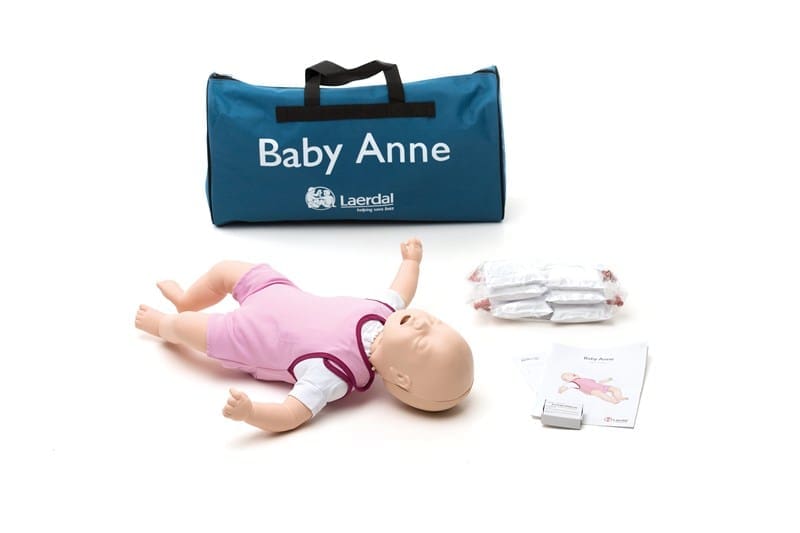
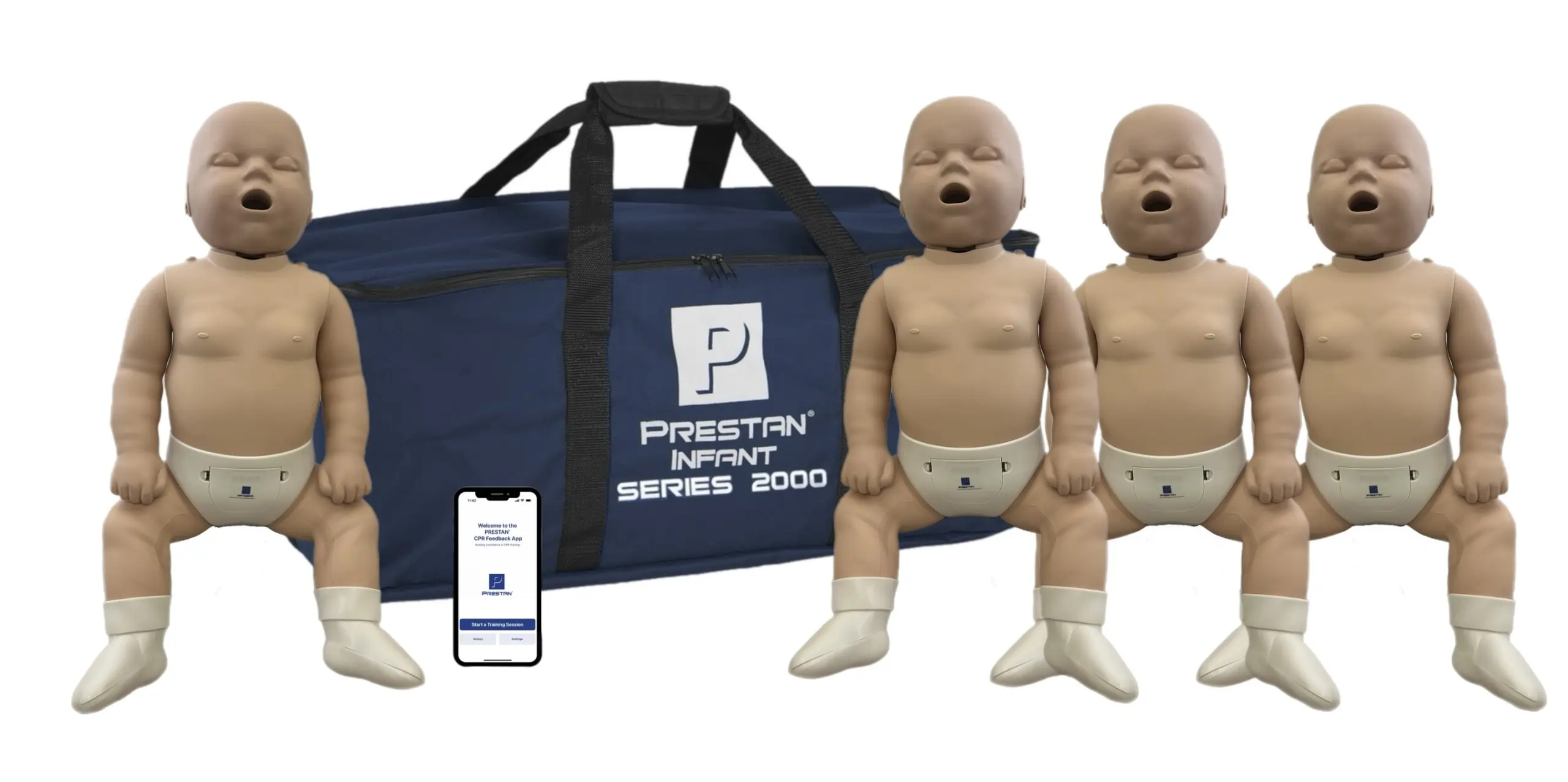
A smooth class has students rotating with minimal bottlenecks. Over time, the sweet spot I have found is one adult manikin for every two to three learners, one infant for every three to four, and at least one child manikin for each small group. Ratios vary by agency and class size. If you run blended learning where knowledge checks are done online, you can compress the in-person time, but not the hands-on minutes per skill. Short classes need tighter ratios to stay on schedule.
Manikin features matter. Chest recoil feedback, visible chest rise for ventilations, and rugged lungs that can be changed quickly between students save time and reduce frustration. Feedback options range from simple clickers to Bluetooth-enabled metrics. The more advanced systems produce detailed compression depth and rate reports. Those help with coaching, especially in BLS classes, but they also add batteries, apps, and charging plans to your prep list. For community-level CPR and first aid, mid-range feedback is often enough. For professional responder training, data-driven feedback becomes essential.
Durability shows up in the joints, skin, and airway components. Foam torsos without realistic skin clean easily but tear more over years of student handling. Vinyl skins look and feel real, but they need proper disinfectants that will not crack the material. Quick-change face pieces and lungs will save hours over a semester. Keep a spreadsheet of consumables used per learner. In my experience, planning two to four lung bags per manikin per full course keeps you covered, and a box of a hundred face shields disappears faster than you expect.
AED trainers that reflect Canadian realities
An AED trainer is not a medical device. It does not deliver shock, and it is not subject to the same Health Canada licensing as a live AED. Still, AED training equipment Canada should replicate common models and voice prompts learners will encounter. Look for trainers with bilingual prompts and switchable adult and child modes. Replaceable training pads are a recurring cost, and adhesive quality matters. Cheap pads stop sticking after a few classes, especially in dry winter air.
Consider the logic of your scenarios. Trainers that let you program analysis outcomes, motion artifacts, and pad placement errors create richer practice. If your clients have a standard AED in the building, teach on a trainer that closely resembles it. Facility managers appreciate that continuity, and students remember the workflow more reliably.
A practical winter note, especially for those who travel or teach in remote communities. Batteries work poorly when stored in cold vehicles. Keep trainers and spare batteries warm during transport. I have seen perfectly fine trainers appear dead on arrival because they sat in a car overnight at minus 20.
Building out first aid capability
When a course includes first aid, the equipment expands fast. Bleeding control kits with tourniquets, hemostatic gauze for demonstration, and pressure dressings carry the heaviest load. Add triangular bandages and slings, splints of different sizes, gauze, elastic wraps, ice packs, and a few practice epinephrine trainers if your program covers anaphylaxis. Eye wash bottles are useful for demonstration, though learners will not actually irrigate eyes in class.
CPR and first aid training kits come as bundles that promise a complete setup. They are helpful for a first buy, but you will still want to customize. For example, most bundles include ten face shields. In a class of twelve, you will use that in a single day. Swapping in a box of fifty, and adding a second set of gloves in multiple sizes, prevents mid-course shortages. If you run blended or compressed courses, pre-load scenario bags for each table with the gear for that segment. It cuts down on room chaos.
A practical starter package that does not cut corners
If you are getting ready to teach mixed CPR-AED and Emergency or Standard First Aid at community or workplace level, you can begin lean while preserving quality. Start with the essentials you can put on the road tomorrow.
- Two adult manikins with feedback you can see or hear, one child manikin, and one infant manikin, each with a month’s worth of lungs and face pieces.
- One AED trainer with bilingual prompts, two sets of adult pads, one pediatric set, and spare batteries.
- A first aid training kit that includes tourniquets, pressure dressings, assorted gauze, triangular bandages, tape, elastic wraps, and splints.
- PPE and infection control supplies, including gloves in multiple sizes, disinfectant compatible with your manikins, waste bags, and hand sanitizer.
- A compact bag or case that fits through doorways and up stairs without drama, plus labels and checklists for fast setup and teardown.
This setup supports classes of 6 to 12 learners with reasonable rotation times. As demand grows, the first upgrade that pays for itself is additional adult manikins to reach a 1 to 2 ratio, then a second AED trainer so two groups can run scenarios in parallel.
When to step up to advanced bundles
Larger programs, healthcare-focused courses, and contracts with high throughput benefit from advanced features. If you teach BLS to hospital staff, invest in manikins with compressions and ventilations feedback that meets your agency’s evaluation requirements. Integrated apps that record performance by learner save instructors time during testing and remediation. For EMS or advanced first aid, add airway head manikins that accept supraglottic devices, and consider a trauma trainer with arterial bleeding simulation for realistic hemorrhage control practice.
Some vendors sell tiered CPR instructor packages Canada with names like Basic, Pro, and Elite. The label matters less than the parts list. Assemble your own tier if the bundle misses your needs. For instance, a Pro bundle that includes four adult manikins but no infant does not help you meet infant CPR objectives. Conversely, a kit that adds a second AED trainer and extra pads may be worth more than one with higher end manikins but no way to run simultaneous stations.
Infection control that holds up under real use
Students appreciate clean equipment, and agencies expect it. The trick is to choose disinfectants that kill common pathogens without damaging manikin materials. Manufacturers publish compatibility lists. Check them before buying a bulk case of wipes. Alcohol-heavy products can dry and crack vinyl skins. Chlorine-based products work but can discolor surfaces and corrode metal. I have had good results with quaternary ammonium wipes approved for healthcare, applied with the recommended wet time, followed by a water wipe to protect the material.
Between learners, swap face pieces or use single-use face shields according to your agency’s policy. After class, disassemble and air dry airways and lungs. Moisture left inside folds is what produces odors and mold. Give yourself a 24 hour turnaround window between heavy use days when possible.
Canadian-specific procurement tips
Sourcing inside Canada reduces shipping time, avoids customs headaches, and simplifies warranty service. Equipment classified as medical devices, like live AEDs, must be licensed by Health Canada and sold by a distributor with the appropriate medical device establishment license. AED trainers are not live devices, but it still pays to buy from a reputable supplier of emergency training equipment Canada who stocks replacement parts locally.
Consider bilingual packaging and prompts. It matters when you serve national clients or public courses in bilingual regions. Ask about replacement parts availability. A manikin model that looks great but requires ordering lungs from overseas every time will cost you more in cancelled classes than you save upfront.
Weather and geography affect logistics. Rural and northern deliveries can take a week or more, and winter storms delay courier service. Keep a reserve of consumables so a late shipment does not halt a course. For travel teaching, cases with wheels rated for rough surfaces survive Canadian parking lots and snowbanks far better than small inline wheels.
Budgeting with what actually wears out
Initial equipment is only part of the cost. Over a year of classes, consumables and small parts make up a healthy slice of your expenses. Lungs, face pieces, AED trainer pads, gloves, gauze, and tape go quickly. Tourniquets and splints last longer, but they do wear with repeated application and cleaning. Battery replacement for AED trainers and feedback devices hits on a schedule. Budget a per-student consumables cost, then add a buffer for equipment breakage. A simple estimate, based on mid-size community classes, ranges from 6 to 12 dollars per learner for disposable items, rising to 15 to 20 dollars if you include periodic replacement of training pads and cleaning supplies.
If you price courses with that in mind, you can restock without hesitation, which keeps quality high. Instructors who skimp on pad replacement or try to stretch lungs past their safe use create avoidable frustrations and hygiene risks.
Comparing package categories without the hype
You will see three natural categories in the market. Entry bundles get a small class started. Mid-range bundles support parallel stations and a steady schedule. Advanced bundles add high fidelity feedback and specialty trainers. Price spreads vary with brand and features, but the category logic holds.
- Entry: one AED trainer, two adult manikins, one child, one infant, basic first aid kit, PPE, and a bag. Works for small groups and pilot programs.
- Mid-range: two AED trainers, four adult manikins, two infants, more consumables, better cases, and upgraded first aid gear. Supports 12 to 18 learners with good flow.
- Advanced: six or more manikins with integrated feedback, multiple AED trainers, airway and trauma task trainers, scenario control, and analytics. Suits BLS or high volume programs where documentation and precision matter.
Treat these as starting points, not rules. A rural instructor who flies into small communities may choose higher end but fewer items, prioritizing portability and battery life. An urban training center with two rooms running daily chooses more units with shared consumables storage and a charging station.
Room setup and flow that cut dead time
Equipment choices are only as good as your room plan. In small spaces, place adult manikins head to head, with foot traffic behind students rather than between stations. Set AED trainers on a side table, each paired with a manikin on its own mat, so learners can pivot without moving gear. For first aid scenarios, pack a kit per table instead of a central supply bin. That alone can cut ten minutes of shuffling from a two hour block.
Label everything. Pads marked A and B, manikins named by colour or number, and bags with clear inventories reduce setup time and post-class confusion. Use gaffer tape to define lanes in multipurpose rooms. It peels cleanly and helps learners reset quickly after each scenario.
Documentation and quality assurance
Certifying agencies expect https://erickpbuh635.lucialpiazzale.com/how-canadian-organizations-can-standardize-aed-training-equipment-across-locations certain records: attendance, evaluations, performance checklists, and course reports. Even if your agency provides an online portal, maintain local backups. Scan paper forms at the end of the day. If you use feedback devices, export session summaries when the app prompts you and file them under the class reference number. A simple naming convention, date plus course code plus location, keeps you from hunting later.
Quality assurance also includes equipment logs. Record maintenance, cleaning cycles, and part replacements. When a manikin’s chest spring weakens, you can show when it was installed and how many hours it has seen. For AED trainers, log firmware updates if applicable, pad replacements, and battery swaps. This sounds bureaucratic. It is, but it saves classes when a regulator asks how you ensure consistent training.
Care and maintenance that extend service life
Training gear lasts much longer with a disciplined routine that does not add hours to your week.
- Before each course, test every manikin’s recoil and airway, check AED trainers for battery levels, and confirm pads adhere to a clean torso surface.
- After class, disassemble airways, wipe down skins with approved disinfectant, and let components dry fully before storage.
- Weekly, inventory consumables and restock scenario bags so you are never short during a busy run.
- Monthly, inspect pad cables, manikin springs, and cases for wear, and replace borderline parts before they fail mid-course.
- Seasonally, review app or firmware updates for feedback devices and trainers, then test pairings on your teaching tablet or phone.
A fifteen minute pre-flight and a twenty minute post-flight habit will prevent most headaches. The failure you avoid is worth far more than the time you spend.
Edge cases and lessons learned the hard way
Two quirks stand out over years of classes. First, adhesive pad residue builds up on manikin torsos, and in dry climates, it reduces pad stick dramatically. Wipe torsos with a residue remover or mild soap and water regularly, then dry fully. Students trust the scenario more when pads behave like the real thing.
Second, bags and cases matter. A flimsy zipper will fail on a downtown curb two hours before class. Cases with full perimeter zips, protected corners, and replaceable wheels are worth the premium. If you travel by air, choose cases that meet airline size limits, and carry critical spares in your personal item.
Bringing it together for Canadian programs
For a Canadian instructor, the right package balances agency requirements, course mix, class size, and travel patterns. Start with your certification and the recognition needed by your clients. Choose CPR training manikins Canada that give reliable feedback and clean easily. Select AED training equipment Canada with bilingual prompts and realistic scenarios. Stock CPR and first aid training kits with enough consumables to keep stations running smoothly. Source from Canadian suppliers of emergency training equipment Canada who stand behind their products and carry parts locally.
Your first bundle sets the tone, but your maintenance plan carries the day. Keep batteries warm, logs complete, torsos clean, and ratios tight. When you do, your students leave class with skills that hold up outside the classroom, and your program grows on the strength of that reputation.
CPR Depot Canada — Business Info (NAP)
Name: CPR Depot CanadaAddress: 340 Croft Dr, Tecumseh, ON N8N 2L9
Phone: +1-877-570-7322
Website: https://cpr-depot.ca/
Email: [email protected]
Hours:
Monday: 9:00 AM – 6:00 PM
Tuesday: 9:00 AM – 6:00 PM
Wednesday: 9:00 AM – 6:00 PM
Thursday: 9:00 AM – 6:00 PM
Friday: 9:00 AM – 6:00 PM
Saturday: Closed
Sunday: Closed
Open-location code (Plus Code): 8537+C8 Tecumseh, Ontario
Map/listing URL: https://www.google.com/maps/place/CPR+Depot/@42.3036,-82.8392601,17z/data=!3m1!4b1!4m6!3m5!1s0x883b2aedd5f271a1:0xfee6f8b7ab8f4110!8m2!3d42.3036!4d-82.8366852!16s%2Fg%2F1q6cff15h
Embed iframe:
Socials:
https://www.facebook.com/people/CPR-Depot-Inc/61575911496200/ https://www.instagram.com/cprdepotinc/ https://www.youtube.com/@CPRDepot
https://cpr-depot.ca/
CPR Depot Canada is a supplier of medical training products and related supplies serving customers across Canada.
The business is listed at 340 Croft Dr, Tecumseh, ON N8N 2L9.
To contact CPR Depot Canada, email [email protected] or call +1-877-570-7322.
Hours listed are Monday–Friday 9:00 AM–6:00 PM, with Saturday and Sunday closed.
For directions and listing details, use: https://www.google.com/maps/place/CPR+Depot/@42.3036,-82.8392601,17z/data=!3m1!4b1!4m6!3m5!1s0x883b2aedd5f271a1:0xfee6f8b7ab8f4110!8m2!3d42.3036!4d-82.8366852!16s%2Fg%2F1q6cff15h
Popular Questions About CPR Depot Canada
Where is CPR Depot Canada located?CPR Depot Canada is listed at 340 Croft Dr, Tecumseh, ON N8N 2L9.
What are the hours for CPR Depot Canada?
Hours listed: Monday–Friday 9:00 AM–6:00 PM; Saturday and Sunday closed.
What does CPR Depot Canada sell or provide?
CPR Depot Canada supplies medical and first aid training products and related equipment (product availability varies).
Do they ship across Canada?
The business markets to Canadian customers and operates as a Canada-wide supplier; confirm shipping options at checkout or by contacting [email protected].
How can I contact CPR Depot Canada?
Phone: +1-877-570-7322
Email: [email protected]
Website: https://cpr-depot.ca/
Map: https://www.google.com/maps/place/CPR+Depot/@42.3036,-82.8392601,17z/data=!3m1!4b1!4m6!3m5!1s0x883b2aedd5f271a1:0xfee6f8b7ab8f4110!8m2!3d42.3036!4d-82.8366852!16s%2Fg%2F1q6cff15h
Landmarks Near Tecumseh, ON
1) Tecumseh Town Hall2) Lacasse Park
3) Lakewood Park
4) WFCU Centre (Windsor)
5) Devonshire Mall (Windsor)