CPR and First Aid Training Kits in Canada: Reusable vs. Single-Use Components
Every training program sits on a set of choices about equipment. For CPR and first aid, those choices show up in how you balance reusable components against single-use items. Across Canada, from community centers in Yellowknife to downtown corporate classrooms in Toronto, I have seen programs thrive when they make that balance explicit. The right mix saves money, reduces waste, respects infection control, and ultimately produces students who get hands-on time with realistic tools.
The Canadian backdrop that shapes kit decisions
Canada’s training environment is bilingual, geographically broad, and regulated by overlapping bodies. Health Canada regulates medical devices under the Medical Devices Regulations, which means clinical defibrillators and AEDs are tightly controlled. AED trainers are not clinical devices, but they must still be safe, reliable, and genuinely representative for educational purposes. The Canadian Red Cross, St. John Ambulance, Heart and Stroke Foundation, and several provincial organizations set curricula and expectations for practice standards. In workplaces, CSA Z1220 outlines first aid kit contents and classifications. Training programs aim to mirror the field without violating the line between simulation and treatment.
The practical consequence is simple. Instructors need equipment that looks and behaves like the real thing, yet can be cleaned efficiently and shipped legally, even in winter. Single-use pieces keep classes moving when turnover is tight. Reusable components help programs stay solvent and consistent across sessions.
What sits inside a high-functioning training kit
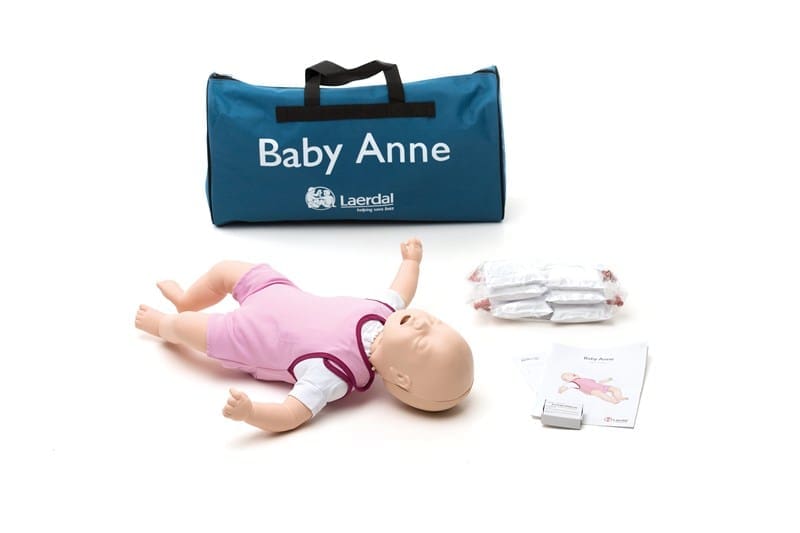
If you unpack CPR and first aid training kits used across Canada, you’ll usually find a common spine of items, with brand and model preferences varying by instructor team and region. For CPR training manikins Canada offers an expansive catalog, from compact torsos designed for schools to full-body, feedback-enabled models used by paramedic academies. Many instructors keep a mix, pairing lightweight torsos for transport with one higher fidelity unit for demonstrations.
Manikins require lungs or airways, face shields or masks, and often valves. AED training equipment Canada includes AED trainers with remote controls, pads, and occasionally trainer batteries that simulate low-power warnings. For first aid, you’ll see splints, triangular bandages, elastic wraps, gauze, non-adhesive dressings, epinephrine trainer pens, tourniquet trainers, and sometimes moulage kits for realism. CPR instructor packages Canada typically bundle these with spare airways, disinfectants, a pump for chest spring calibration, and carry cases.
Each component pushes you to decide where to lean reusable, and where to buy in depth on disposables.
Where reusable makes sense
Reusable pays off when surfaces clean effectively, when parts tolerate repeated disinfection, and when durability matches your class volume. Manikin torsos, heads, and chests last years with basic care. High-wear parts like skins, springs, and sensors survive hundreds to thousands of compressions if you do not store them under heavy weight or leave them in extreme temperatures. I have pulled a ten-year-old manikin from a storage cage in a Halifax arena and taught a solid class with it after a quick spring check and new lungs.
AED trainers are also strong candidates for the reusable category. The shells and electronics live long, and software updates can refresh scenarios. Trainer pads fall into both categories. Most models rely on semi-reusable pads intended for dozens of placements before replacement. Some programs put protective films over manikin chests to stretch pad life and maintain tack. Others accept a pad-per-class cadence and work the cost into course fees.
First aid training tools like tourniquet trainers, epinephrine trainers, splints, and vacuum splints are clearly reusable. These are meant to be handled repeatedly while simulating real-world mechanics. As long as they clean easily and you avoid petroleum-based cleaners that degrade rubber components, these pieces give you one of the highest returns on investment in the kit.
Where single-use shines
Anything that contacts mucous membranes or carries a high risk of contamination leans single-use in busy programs. Disposable manikin lungs or airways keep infection control simple and quick between sessions. Many instructors assign one lung per learner for the day, then discard them after the final scenario. If you run four back-to-back classes in one facility, that habit protects time and reduces cross-exposure. Face shields with one-way valves, if used, also fall in this category for practical reasons.
Some first aid consumables earn their keep as disposables. Gauze, adhesive bandages, and tape give learners a tactile sense of unwinding, tearing, and securing, and it is rarely worth the time to harvest and repack them. Clean-up becomes straightforward. Moulage gels and fake blood can be semi-reusable, but in my experience the mess tolerance of a venue drives the choice. If you are teaching in a rented corporate boardroom, you may rely more on disposable moulage sheets and wipes to protect carpets and meet tight turnover times.
Real classroom trade-offs
A school board in Manitoba asked me to equip a mobile training team that moved through five schools per week. The vehicles were small SUVs, storage was limited, and there was no guarantee of a sink close to the gym. We built the kits around lightweight torsos with a second set of skins, dedicated disinfectant wipes rated for viral pathogens, and disposable lungs. For AED practice, we chose trainers with cabled pads that tolerated 30 to 40 applications and replaced them quarterly. For wounds and bleeding control, tourniquet trainers were reusable, but we stocked individual learner packets containing two rolls of gauze, a triangular bandage, and a pair of nitrile gloves. That design let instructors hand out and collect without hunting for stray supplies.
Contrast that with a municipal training center in British Columbia, where storage space, sinks, and a washer-dryer were available. There we leaned harder into reusable options. Manikin lungs were still single-use at larger events, yet for instructor refreshers with small groups we shifted to reusable airways with a documented cleaning workflow and tracked them in a simple logbook. Trainer AED pads lived longer because instructors had time to reapply backing films and store pads flat away from heat.
Hygiene rules the day
Public Health Agency of Canada guidance emphasizes barriers, hand hygiene, and cleaning high-touch surfaces. In the training context, the most frequent mistakes are inconsistent wipe contact times and reusing visibly soiled components. If a wipe lists a two to three minute wet contact time, the surface has to stay glistening that long. That often means a second wipe. Shortcuts creep in when class schedules are tight. Planning for enough duplicate components and building buffer time after the lunch break helps keep standards high.
Masks and barrier devices deserve special attention. Many programs teach with pocket masks that have replaceable valves. I favor this approach because learners can practice an actual seal and hand positioning while the instructor can swap valves between students. If your learners share a mask body, wipe the exterior and interior flange thoroughly and let it dry properly before the next pair. If the tempo does not allow that, pivot to disposable face shields and a no-ventilation approach that still teaches seal and head tilt. Be explicit with your learners why you are choosing one method on that day. Clarity builds trust.
Environmental and waste considerations that matter in Canada
Canada’s geography magnifies waste impacts in remote communities. Shipping heavy, bulky disposables to Nunavut or northern Quebec is costly, and backhauling waste during spring breakup has its own challenges. Programs based in the North tend to lean more reusable, aided by simple, robust cleaning protocols. In dense urban centers, waste management is easier, but that should not excuse a throwaway mindset. I have seen instructors cut disposable use by half with two small habits: disassembling manikins only when needed and issuing per-learner first aid mini packs that prevent casual overuse.
Choosing reusable often means more water and energy for cleaning. Weigh that against the emissions from manufacturing and transporting pallets of consumables. There is no single correct answer, but there is a right answer for your context, especially when you model costs and carbon for your actual class volumes.
Budgeting by lifecycle, not by sticker price
The least expensive manikin in a catalog can cost the most per learner if its lungs are costly or if feedback modules fail often. Conversely, a higher upfront cost with durable parts can bring the per-learner figure down as class counts climb. The same holds true for AED training equipment Canada wide. Trainer pads with replaceable gel layers extend life. Models that accept standard AA rechargeables can beat proprietary battery packs over two to three years.
A simple lifecycle lens guides purchasing:
- Estimate learners per year and compressions per learner, then map to manikin part lifespans.
- Price consumables per class, including lungs, valves, gauze, and wipes, and multiply by planned sessions.
- Add cleaning labor time at a real hourly rate to compare reusable workflows against disposables.
- Include storage, transport cases, and cold-weather risks like cracked plastics or pad adhesive failure.
- Set a replacement reserve for springs, skins, and trainer pads to avoid emergency buys at premium prices.
When you present this model to a school board or corporate client, the conversation shifts from “why is this kit expensive” to “how do we get the lowest cost per competent learner.”
Logistics that keep classes on schedule
Class size decides so much about kit composition. If you run twelve-person classes, two or three manikins with active rotation and strong coaching can work. For groups of twenty or more, I advise a one-to-three ratio for core CPR so each learner gets repeated cycles within the same time window. In a first responder course with bandaging and splinting, you can stretch kit counts if you sequence stations and assign roles thoughtfully, but you will need extra elastic wraps and triangular bandages to avoid constant repacking.
Transport also breaks equipment. I once opened a case in Saskatoon to find a cracked manikin sternum because a heavy toolbox shifted in transit. Simple fixes help. Use rigid cases with custom foam for your premium manikins, store AED trainers with pads affixed to backing boards, and keep disinfectants in sealed secondary containers with absorbent liners. Winter adds another twist. Adhesives behave poorly at minus 20 Celsius. Warm your trainer pads inside your coat en route to the classroom and let manikins acclimate before you peel anything.
Specifics by component: where I land after years of classes
CPR manikins. Buy durable torsos with replaceable skins and spring adjustments. For community courses, add at least one model with compression and ventilation feedback so learners can calibrate depth and rate. Keep a spare spring set and a bag of clips. Use single-use lungs in high-throughput courses. Consider reusable airways only when you have a sink and time to dry components properly.
AED trainers. Choose units with clear bilingual prompts and the ability to change shockable rhythms. Favor trainers with semi-reusable pads that tolerate multiple placements and can be reordered easily within Canada. Carry extra remote batteries. Expect to replace pads every few months with steady use.
Barrier devices. Pocket masks with replaceable valves balance realism with hygiene. Stock enough valves to assign per learner when possible. Face shields belong in the kit for demonstration and as a fallback when cleaning time is tight.
First aid materials. Make splints, tourniquet trainers, and epinephrine trainers reusable. Use disposable gauze, bandages, and tape per learner or per pair to simulate realistic consumption. For wound packing practice, issue training-only gauze and retire it when dirty or worn.
Moulage. Use it to anchor scenarios, but match the venue. In a carpeted room, choose silicone appliances and thin washable gels. In a gym, you can be bolder. Keep baby wipes, nitrile gloves, and a dedicated trash bag ready.
Instructor packages and procurement in Canada
CPR instructor packages Canada vary widely. Some bundles include two torsos, an infant manikin, an AED trainer, spare airways, a pocket mask kit, cones for scene setup, and enough bandaging supplies for two rounds. Others are minimal and rely on rental add-ons. If you run a program across provincial lines, prioritize vendors with coast-to-coast shipping and bilingual documentation. Label your kits in English and French where appropriate, and keep SDS sheets for your disinfectants in both languages.
If your funding cycle is annual, time your purchases. Early fall is a good window, as suppliers stock up for the school year and shipping delays are shorter than the peak holiday season. For northern or rural programs, build a winter buffer of consumables in October so you are not grounded when a road closure or storm disrupts deliveries.
Cleaning and decontamination that hold up under scrutiny
Infection control is only as strong as the weakest handoff. Build a process that your newest assistant can execute. Between learners, target the points that collect sweat, skin oils, and respiratory droplets. For reusable airways, follow the manufacturer’s disassembly, then wash, disinfect, rinse if required, and allow full dry times. Never store slightly damp components in closed cases, especially in freezing weather, where residual moisture can damage parts or foster mildew during thaw.
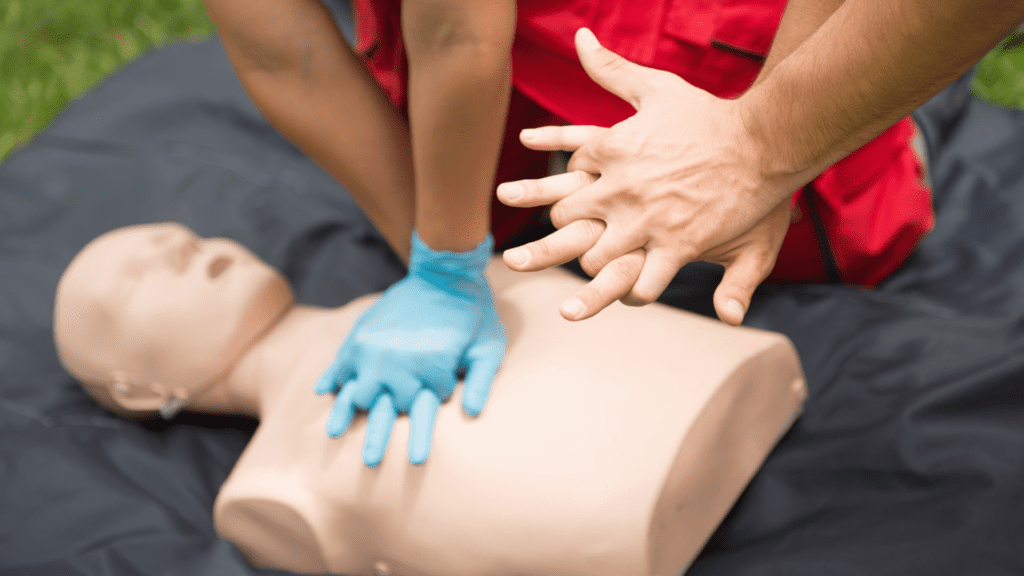
A reliable between-learner wipe-down routine looks like this:
- Remove and discard the used lung or barrier as applicable, then gloved hands off.
- Wipe the manikin face, chest skin, and any touchpoints with an approved disinfectant, ensuring the surface stays wet for the full labeled contact time.
- Replace with a fresh lung or barrier, and stage the manikin with chest landmarks visible to speed coaching.
- Rotate manikins so one can fully dry while another is in use, especially in humid rooms.
- Document the end-of-day deep clean with initials and date on a simple log inside the case lid.
This small log sheet becomes gold during audits or when instructors rotate between sites. It also helps you spot patterns in wear and plan maintenance.
AED training specifics that reduce learner confusion
Many AED trainers come with pads that do not precisely match the brand of AED installed in a client’s workplace. Spend five minutes showing common pad icons and where to look for placement cues on the torso. If your region uses a dominant clinical AED brand, source trainer pads that mimic that shape and cable routing. It reduces cognitive load during real responses, particularly for learners who are nervous around electronics.
Check audio volumes in your venues. Large gyms eat sound. Carry a small portable speaker with a clean aux input so everyone hears prompts. For realistic pauses, use the remote to simulate common events, like someone touching the patient during analysis or a battery warning. These moments plant durable habits.
Edge cases you will encounter
Be ready for latex sensitivities. Many kits are latex-free now, but older manikins or elastic wraps may not be. Label cases with latex status and update as you replace items. For learners with religious or cultural concerns about mouth-to-mouth practice, provide barrier devices and alternative drills focusing on positioning, chest compressions, and AED use. For learners with mobility challenges, adapt scenarios so they can coach a partner or operate the AED while seated, then rotate roles.
In rural volunteer firefighter classes, I often meet learners who live far from clinical help. They benefit from longer, repeated practice with tourniquets and wound packing. You will run more gauze per learner, so plan accordingly. In corporate downtown sessions, you will spend more time on AED alarms and security access to cabinets, plus building-specific response plans.
Storage, transport, and the Canadian climate
Cold cracks plastic and ruins adhesives. Heat degrades rubber and dries out pad gels. Store kits in climate-moderated spaces whenever possible. If equipment must ride in a trunk in January, bring it indoors the night before class. Do not set manikins on heating vents to speed warming, as uneven heat stresses plastic frames. If you teach near the coast, salt air can corrode metal springs and screws. A light fresh-water wipe and a dry cloth at the end of a beach-adjacent course prevent headaches later.
Choosing vendors and reading warranties
Look for clear spare parts pricing and availability within Canada. Shipping a replacement chest skin from overseas can stall a program for weeks. Check warranty terms on electronics and sensors, including dead-on-arrival policies. Confirm that AED trainers meet bilingual requirements out of the box rather than relying on downloadable tracks that complicate setup. Favor vendors who stock both CPR and first aid consumables so you can consolidate orders and reduce freight.
Ask for test drive options. Many suppliers will loan a demo manikin or AED trainer for a week. Put it through a simulated course, then inspect it. If the skin scuffs easily or the pad gel fails after ten placements, reconsider.
A realistic path to a balanced kit
Start with a baseline of durable, reusable components: manikin bodies with feedback capability on at least one unit, AED trainers with compatible pads, tourniquet and epinephrine trainers, and splinting tools. Layer in single-use lungs or airways, valves when applicable, gauze, and disinfectant wipes matched to https://penzu.com/p/ecc3f49f8e61ebff your pathogen concerns and venue constraints. Tune the mix to your class size and frequency. Instructors working across multiple provinces can standardize on a core kit, then add region-specific items like French documentation packs or additional cold-weather cases.
Across hundreds of classes, the programs that run smoothly are the ones that treat equipment like a living system. They budget by lifecycle, not by quarter. They pick reusable where it truly saves money and time, and single-use where hygiene or logistics demand it. They maintain a cleaning protocol that is short, visible, and enforced. Most of all, they give learners the confidence that the tools in their hands mirror the tools they will see when it counts.
For those assembling emergency training equipment Canada wide, this balance is not theoretical. It shows up in how quickly your class sets up, how calm your instructors feel during back-to-back sessions, and how willing your venues are to host you again. Choose well, document your choices, and adjust as your program grows. The right kit mix will keep you focused on what matters most, which is helping people step forward when someone collapses or bleeds, and making sure they know what to do without hesitation.
CPR Depot Canada — Business Info (NAP)
Name: CPR Depot CanadaAddress: 340 Croft Dr, Tecumseh, ON N8N 2L9
Phone: +1-877-570-7322
Website: https://cpr-depot.ca/
Email: [email protected]
Hours:
Monday: 9:00 AM – 6:00 PM
Tuesday: 9:00 AM – 6:00 PM
Wednesday: 9:00 AM – 6:00 PM
Thursday: 9:00 AM – 6:00 PM
Friday: 9:00 AM – 6:00 PM
Saturday: Closed
Sunday: Closed
Open-location code (Plus Code): 8537+C8 Tecumseh, Ontario
Map/listing URL: https://www.google.com/maps/place/CPR+Depot/@42.3036,-82.8392601,17z/data=!3m1!4b1!4m6!3m5!1s0x883b2aedd5f271a1:0xfee6f8b7ab8f4110!8m2!3d42.3036!4d-82.8366852!16s%2Fg%2F1q6cff15h
Embed iframe:
Socials:
https://www.facebook.com/people/CPR-Depot-Inc/61575911496200/ https://www.instagram.com/cprdepotinc/ https://www.youtube.com/@CPRDepot
https://cpr-depot.ca/
CPR Depot Canada is a supplier of medical training products and related supplies serving customers across Canada.
The business is listed at 340 Croft Dr, Tecumseh, ON N8N 2L9.
To contact CPR Depot Canada, email [email protected] or call +1-877-570-7322.
Hours listed are Monday–Friday 9:00 AM–6:00 PM, with Saturday and Sunday closed.
For directions and listing details, use: https://www.google.com/maps/place/CPR+Depot/@42.3036,-82.8392601,17z/data=!3m1!4b1!4m6!3m5!1s0x883b2aedd5f271a1:0xfee6f8b7ab8f4110!8m2!3d42.3036!4d-82.8366852!16s%2Fg%2F1q6cff15h
Popular Questions About CPR Depot Canada
Where is CPR Depot Canada located?CPR Depot Canada is listed at 340 Croft Dr, Tecumseh, ON N8N 2L9.
What are the hours for CPR Depot Canada?
Hours listed: Monday–Friday 9:00 AM–6:00 PM; Saturday and Sunday closed.
What does CPR Depot Canada sell or provide?
CPR Depot Canada supplies medical and first aid training products and related equipment (product availability varies).
Do they ship across Canada?
The business markets to Canadian customers and operates as a Canada-wide supplier; confirm shipping options at checkout or by contacting [email protected].
How can I contact CPR Depot Canada?
Phone: +1-877-570-7322
Email: [email protected]
Website: https://cpr-depot.ca/
Map: https://www.google.com/maps/place/CPR+Depot/@42.3036,-82.8392601,17z/data=!3m1!4b1!4m6!3m5!1s0x883b2aedd5f271a1:0xfee6f8b7ab8f4110!8m2!3d42.3036!4d-82.8366852!16s%2Fg%2F1q6cff15h
Landmarks Near Tecumseh, ON
1) Tecumseh Town Hall2) Lacasse Park
3) Lakewood Park
4) WFCU Centre (Windsor)
5) Devonshire Mall (Windsor)