Canada’s Must-Have Emergency Training Equipment for Remote and Industrial Sites
When something goes wrong on a jobsite north of Peace River or along a rail siding outside Thunder Bay, you cannot count on a four‑minute response time. Even in industrial parks on the edge of a major city, a locked gate or a misdirected unit can stretch minutes into a quarter hour. Those gaps decide outcomes. The sites that perform best under pressure share a pattern: they invest in realistic, durable training gear, then use it to build habits that hold up under cold, noise, fatigue, and distance.
I have hauled training kits into camp by bush plane and rolled them across epoxy floors in automotive plants. Remote and industrial environments in Canada ask a lot from both people and equipment. The right choices save time, reduce waste, and help instructors keep sessions engaging across rotating shifts. What follows is a grounded view of what you actually need, how to select it, and how to keep it working season after season.
The Canadian context changes the equipment list
Two factors define emergency training in Canada more than any single standard. First, geography. Many worksites sit a long drive from advanced care, and some are fly‑in only. That demands deeper practice in extended basic life support, prolonged bleeding control, and patient packaging for transport over rough ground. Second, environment. Training kits and manikins live in dry winter air, dust from aggregate plants, salt spray on coastal sites, and temperature swings that defeat cheap plastics.
Compliance matters, and you will reference national and provincial guidelines, but the standard on paper never reflects the constraints in a frozen laydown yard at 6 a.m. You need equipment that runs on battery for hours, holds up to disinfectant and grit, fits in cases a tech can carry alone, and supports bilingual delivery when a crew arrives from multiple provinces. Choosing gear within Canada when possible reduces shipping delays, brokerage surprises, and trouble sourcing consumables. Reputable suppliers understand CSA references, Health Canada DIN disinfectants, and the training pathways of Canadian Red Cross, St. John Ambulance, and Heart and Stroke Foundation programs.
A practical training philosophy: realism, repeatability, retention
Three principles guide equipment choices. First, realism. Learners build muscle memory from tactile feedback and stressors that match their job. Second, repeatability. If a device fails after two cycles or pads do not stick in the cold, you lose your momentum and your budget. Third, retention. Adults remember what they do, not what they hear. The gear must make scenarios engaging and measurable.
Instructors in industrial settings juggle production schedules, rotating night shifts, and varying literacy levels. Training equipment that offers objective feedback simplifies coaching when the class mixes novices and seasoned trades. For example, manikins with compression depth indicators turn an argument into a number. AED trainers with clear voice prompts, set to the same cadence as your deployed defibrillators, close the gap between class and reality. The goal is to reduce uncertainty when the alarm sounds.
CPR training that pays off outside the classroom
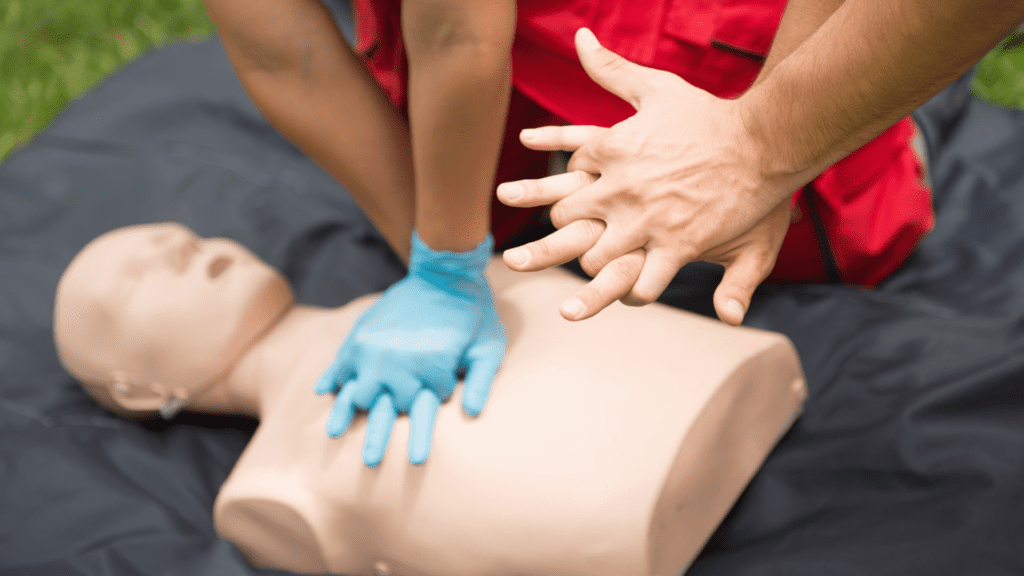
CPR remains the cornerstone. In remote settings, early compressions and rapid defibrillation buy time for a long wait. I prioritize CPR training manikins that match the deployed workforce and the AEDs actually on site.
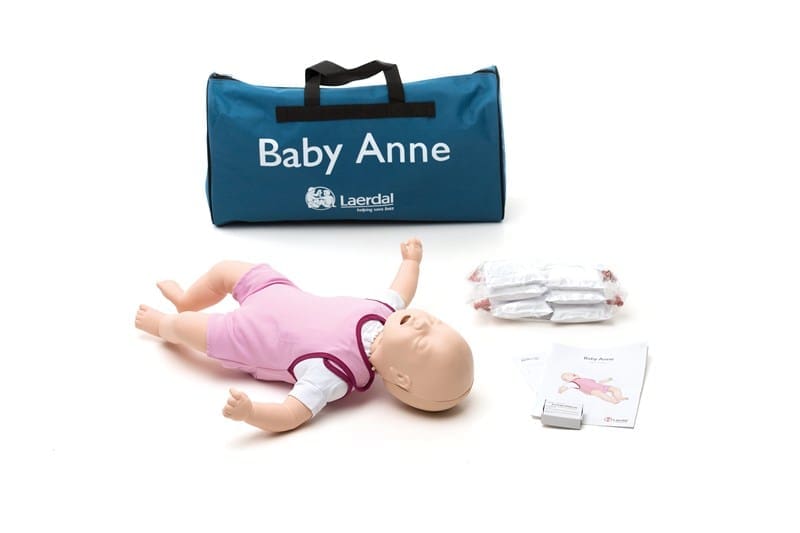
Adult, child, and infant coverage. Many crews skew male and middle aged, but remote family housing or public‑facing facilities require pediatric readiness. A common ratio is two adult manikins per six learners, plus one child and one infant to rotate through. That keeps hands moving without bottlenecks. If you teach larger groups or run back‑to‑back sessions, triple those numbers to reduce disinfecting downtime.
Feedback without fragility. Look for CPR training manikins with chest rise, audible clickers, and visual depth and rate feedback. Battery powered models with Bluetooth to a tablet help quantify performance, but they must survive dust and cold. Devices rated for storage below freezing and operation near zero degrees Celsius keep you from babying them in winter. In Canada, you will find several durable lines through national distributors under the banner of CPR training manikins Canada. Ask about spare chests, lungs, and face skins, and confirm they are stocked in Canadian warehouses.
Consumables that stay on the shelf. Lungs, valves, and face shields are cheap, until you run a hundred learners in a week and discover a shipping delay. Establish a par level and reorder point aligned to your calendar. Many programs now accept alcohol‑based disinfectants with a Health Canada DIN for skin contact surfaces. Avoid bleach on manikin faces unless the manufacturer permits it, since seals and plastics degrade and you get cracked lips in winter within months.
AED realism. Practice must reflect the defibrillators on your wall. AED training equipment Canada spans basic button‑press trainers to brand‑specific mimic units with training pads and software matched to the deployed AED. Choose trainers that mirror your model’s prompts, shock sequence, and pad placement diagrams. For bilingual crews, confirm voice prompts in both English and French and store settings across sessions. Keep at least two sets of training pads per device, and a roll of hypoallergenic tape for cold mornings when adhesive struggles on a dusty manikin chest.
First aid and trauma: what changes in remote and industrial sites
Minor injuries dominate logs, but serious events drive the need to practice key skills to a higher level. Your CPR and first aid training kits should reflect the site’s hazard profile and the time to definitive care.
Bleeding control you can feel. Tourniquet application fails for two reasons: fear of pain and poor routing. Use limb trainers with compressible vessels so learners feel when they have occluded flow. Good units allow junctional or wound packing practice too. In heavy industry, practice over coveralls and gloves to simulate the friction and leverage you will actually face. Stock consumable gauze for repeated drills and reuse‑friendly wound pads when budgets are tight.
Splinting that withstands the cold. SAM‑type splints work for most training, but add a rigid ladder splint and a vacuum splint trainer for realism when packaging legs and arms. Learners discover quickly that proper padding, sling and swathe, and securing against movement beat heroic improvisation. In winter, stiff strapping and swollen jacket cuffs change the picture, which is exactly why you run scenarios outside when you can.
Packaging and movement. Confined spaces and mezzanines change patient movement problems. A lightweight, roll‑up stretcher with handles, a sled for snow and ice, and a basic spinal board for training cover most scenarios. In mining and wind, you will need a rescue manikin that weighs like a person and behaves like one when lifted. A 35 to 55 kilogram manikin handles team carries without breaking backs. Heavier models, 70 kilograms and up, suit high‑angle teams but are overkill for general first aid classes. The key is a manikin with abrasion‑resistant fabric and replaceable skins so you do not hesitate to drag it over crushed rock.
Airway and oxygen practice where appropriate. Many remote clinics carry oxygen. If your site supports supplemental oxygen, stock a regulator and cylinder trainer, nonrebreather masks, and bag valve masks sized for adult and child. An airway head or a torso with realistic head tilt, chin lift, and jaw thrust helps learners feel a patent airway. Emphasize oxygen safety in flammable atmospheres and teach without pressurizing live cylinders in the classroom.
Match gear to hazards you actually face
The farther you get from metropolitan classrooms, the more important task‑specific modules become. Equipment choice should come from a recent hazard assessment, not a generic catalog page.
Confined space and fall arrest. Weighted rescue dummies and anchorable tripods make https://paxtonsiub065.wpsuo.com/cpr-supply-delivery-in-canada-nationwide-options-and-pricing rescue drills possible without risking people. A life‑size manikin that tolerates harnessing, suspension, and vertical lifts lets teams cycle through rescue plans. Instructors need a helmet‑mounted light to coach in tanks and culverts and a handheld radio with a training channel for command practice.
H2S and gas response. In the West, H2S awareness is a staple. Gas detector training kits with bump test stations let learners practice zeroing, alarm response, and controlled entry on a simulator rather than a live sensor tied to maintenance windows. Keep your training sensors clearly labeled and out of service for real work to avoid calibration drift from overuse in class.
Cold, heat, and water considerations. For northern or coastal sites, thermal manikins and ice‑rescue‑rated dummies allow throw bag and reach assist practice at low risk. In the oil sands, heat exhaustion and dehydration creep in during summer. Pack demonstration gear for active cooling and shaded patient management and stage scenarios on hot surfaces to show burn risk.
Instructor kits that survive travel and turnover
A single instructor can train two dozen people in a day with the right mobile classroom. The best CPR instructor packages Canada vendors assemble put protective cases at the center: rugged polymer boxes with foam cutouts for manikins, AED trainers, and trauma modules. Wheels and retractable handles matter more than you would think when you roll across gravel for the third time that day.
Inside the kit, you want reliable core items. Two adult feedback manikins, one child, and one infant cover the curriculum. Two AED trainers reduce downtime. A compact projector and a collapsible screen help in sea cans and trailers without proper AV. A box of nitrile gloves in multiple sizes, alcohol wipes, DIN disinfectant spray, paper towels, and zip‑top bags for contaminated disposables round out hygiene. Laminated skill sheets and bilingual cue cards help when you need to coach across varying reading levels or loud shops where you cannot hear every word.
Rotation and loaner pools matter. If your company runs multiple sites, build two identical instructor kits and maintain a central loaner pool for when one kit goes down. That beats canceling a class for a broken cable. Label each case with a unique ID, and log usage, repairs, and consumables against it. A rolling spreadsheet is enough, though asset software helps at scale.
Sourcing in Canada: save time and headaches
Buying emergency training equipment Canada side shortens shipping lead times and eases warranty service. It also ensures you can find AED training equipment Canada that matches models installed onsite without hunting overseas for adapter pads. Ask suppliers about pad and battery lifespans, domestic stock of replacement lungs and valves for manikins, and firmware support windows for feedback apps. If a distributor cannot give you a straight answer on spare parts or DIN‑approved disinfectants, move on.
Many organizations already partner with training agencies that offer either rental pools or instructor bundles. Sometimes renting high‑fidelity units for an annual skills day and owning durable mid‑fidelity gear for routine refreshers gives the best return. For First Nations communities and the territories, confirm shipping commitments and pad the schedule by a week. Thaw gear in a heated space before class to avoid brittle plastics and sluggish batteries.
Budgets and what you actually get for the money
Prices vary by brand and features, but common Canadian ranges help set expectations. A basic adult CPR manikin without electronics often sits around 200 to 400 CAD. Mid‑range feedback manikins with depth and rate indicators land between 600 and 1,500 CAD per unit. AED trainers typically cost 200 to 500 CAD, with brand‑mimic models on the upper end. A rugged rescue manikin starts near 800 CAD and can pass 2,000 CAD depending on weight and abrasion resistance. Limb trainers for bleeding control usually come in at 300 to 900 CAD, while a simple oxygen training rig with a non‑pressurized cylinder and regulator replica might be 300 to 800 CAD.
High‑fidelity simulators that talk and breathe impress, but they often sit unused after the first month because they demand a quiet classroom, power, and a tech who enjoys troubleshooting. Industrial crews get more practice from reliable mid‑fidelity gear that instructors are not afraid to lend out. If your budget allows one big splurge, pick an objective feedback system for CPR or a heavy‑duty rescue manikin. Those deliver value in every class.
A compact essentials checklist for most industrial sites
- Two adult feedback CPR manikins plus one child and one infant, with spare lungs and face skins stocked locally
- Two AED trainers that mimic installed devices, bilingual prompts enabled, and at least two extra sets of training pads
- Bleeding control trainers with tourniquet practice limbs, wound packing inserts, and consumable gauze for high‑throughput classes
- A rugged rescue manikin sized to your typical lift teams, a roll‑up stretcher, and simple splinting options that work over winter clothing
- Disinfection and logistics kit: DIN‑approved spray, gloves, wipes, labeled cases with wheels, extension cords, and a small projector
That list covers 80 percent of needs from logistics yards to food processing plants. You will add specialty items as your hazard assessment dictates, but start here and add slowly rather than buying a dozen single‑use gadgets.
Hygiene, batteries, and the boring stuff that keeps classes running
If a class smells like solvents or the first manikin out of the case wipes black onto a glove, you have lost the room before you begin. Routine care preserves trust and the life of your gear. Humidity, temperature swings, and dust create predictable failure points. Write a simple routine and stick to it.
- After each class, wipe down manikins with a Health Canada DIN disinfectant, replace or wash reusable face parts per manufacturer instructions, bag soiled disposables, and air‑dry cases before closing
- Weekly, charge AED trainers, tablets, and feedback modules, cycle the batteries on rescue dummies with electronics if equipped, and inspect for torn pads or frayed cables
- Monthly, update firmware on feedback apps, check adhesive on AED training pads, inventory consumables against your par levels, and review the log for recurring failures
- Seasonally, deep‑clean splints and stretchers, replace manikin lungs, test projector bulbs or LEDs, and verify all bilingual voice prompt settings survived updates and resets
- Annually, calibrate gas detector training units, replace high‑wear items like tourniquet bands and face skins, and pressure‑test any live oxygen equipment per policy
This cadence seems mundane, but it prevents the awkward moment when an AED trainer announces the wrong prompt sequence because someone pressed a hidden switch last quarter.
Training delivery that respects shift work and language
Industrial operations fight for time. You gain compliance and engagement when you meet crews where they are. Short, focused scenarios between toolbox talks, reinforced by quarterly refreshers that last 45 to 60 minutes, beat one marathon day every three years. When equipment is truly mobile, you can run drills at the location where incidents could happen rather than in a lunchroom.
Language also matters. Many AED trainers and manikins support bilingual prompts. Pair that with handouts in English and French, or add plain‑language cue cards that rely on diagrams for learners more comfortable with visual instruction. In northern communities, partner with local leaders for examples that make sense in context. If your manikin does not look like the people you serve or your demos ignore snowmachines and lake ice, the lesson will not stick.
Measure what matters and prove improvement
A training department that can pull six months of metrics wins the argument for new gear. Feedback‑enabled CPR manikins produce numbers on compression depth and rate compliance. AED trainers count correct pad placement and shock delivery within target times. Combine those data with attendance records and near‑miss reports to spot trends. If your second shift lags in pad placement times, change a scenario and coach with more visuals.
Drills should be short, varied, and realistic. A late‑winter evening drill on a loading dock with lights dimmed and a fan running forces voice projection and clear role assignment. You learn who fetches the AED, who takes compressions, and who runs the radio. That is when an instructor catches that the radio training channel conflicts with operations and updates the laminated quick guide.
Common mistakes and how to avoid them
I see the same errors repeat. Companies buy an expensive, high‑fidelity manikin but fail to stock lungs and faces, so it sits in a box after the third class. AED trainers that share a storage bay with the live devices lose their pads to a real call and become useless mid‑lesson. Kits are built around a single instructor’s preferences and fall apart when that person takes vacation.
Balance your spend across reliability, consumables, and transport. Buy the manikin you will actually carry to the far end of the yard, not the one that wowed you at a conference. Duplicate critical items like power cables and spare pads. Label anything that moves. Keep a simple binder in each kit with printed checklists, battery types, contact numbers for parts, and a one‑page troubleshooting guide that does not assume internet access.
Where keywords meet reality
Search terms like CPR training manikins Canada, AED training equipment Canada, CPR instructor packages Canada, Emergency training equipment Canada, and CPR and first aid training kits lead to big catalogs. The gear that earns a permanent spot in your truck checks five boxes: it matches your deployed devices, it survives your climate, it is stocked in country, it brings objective feedback for coaching, and it fits inside a case you can manage alone. Everything else is garnish.
The best programs I have seen treat equipment as a means, not an end. They standardize what they can, tailor what they must, and maintain what they own. They train where the work happens and they respect people’s time. When an alarm rings at the edge of a quarry in sleet, the team that drilled with the right tools will not hunt for buttons or wonder which pad goes where. They will move with confidence, and that is the difference that matters.
CPR Depot Canada — Business Info (NAP)
Name: CPR Depot CanadaAddress: 340 Croft Dr, Tecumseh, ON N8N 2L9
Phone: +1-877-570-7322
Website: https://cpr-depot.ca/
Email: [email protected]
Hours:
Monday: 9:00 AM – 6:00 PM
Tuesday: 9:00 AM – 6:00 PM
Wednesday: 9:00 AM – 6:00 PM
Thursday: 9:00 AM – 6:00 PM
Friday: 9:00 AM – 6:00 PM
Saturday: Closed
Sunday: Closed
Open-location code (Plus Code): 8537+C8 Tecumseh, Ontario
Map/listing URL: https://www.google.com/maps/place/CPR+Depot/@42.3036,-82.8392601,17z/data=!3m1!4b1!4m6!3m5!1s0x883b2aedd5f271a1:0xfee6f8b7ab8f4110!8m2!3d42.3036!4d-82.8366852!16s%2Fg%2F1q6cff15h
Embed iframe:
Socials:
https://www.facebook.com/people/CPR-Depot-Inc/61575911496200/ https://www.instagram.com/cprdepotinc/ https://www.youtube.com/@CPRDepot
https://cpr-depot.ca/
CPR Depot Canada is a supplier of medical training products and related supplies serving customers across Canada.
The business is listed at 340 Croft Dr, Tecumseh, ON N8N 2L9.
To contact CPR Depot Canada, email [email protected] or call +1-877-570-7322.
Hours listed are Monday–Friday 9:00 AM–6:00 PM, with Saturday and Sunday closed.
For directions and listing details, use: https://www.google.com/maps/place/CPR+Depot/@42.3036,-82.8392601,17z/data=!3m1!4b1!4m6!3m5!1s0x883b2aedd5f271a1:0xfee6f8b7ab8f4110!8m2!3d42.3036!4d-82.8366852!16s%2Fg%2F1q6cff15h
Popular Questions About CPR Depot Canada
Where is CPR Depot Canada located?CPR Depot Canada is listed at 340 Croft Dr, Tecumseh, ON N8N 2L9.
What are the hours for CPR Depot Canada?
Hours listed: Monday–Friday 9:00 AM–6:00 PM; Saturday and Sunday closed.
What does CPR Depot Canada sell or provide?
CPR Depot Canada supplies medical and first aid training products and related equipment (product availability varies).
Do they ship across Canada?
The business markets to Canadian customers and operates as a Canada-wide supplier; confirm shipping options at checkout or by contacting [email protected].
How can I contact CPR Depot Canada?
Phone: +1-877-570-7322
Email: [email protected]
Website: https://cpr-depot.ca/
Map: https://www.google.com/maps/place/CPR+Depot/@42.3036,-82.8392601,17z/data=!3m1!4b1!4m6!3m5!1s0x883b2aedd5f271a1:0xfee6f8b7ab8f4110!8m2!3d42.3036!4d-82.8366852!16s%2Fg%2F1q6cff15h
Landmarks Near Tecumseh, ON
1) Tecumseh Town Hall2) Lacasse Park
3) Lakewood Park
4) WFCU Centre (Windsor)
5) Devonshire Mall (Windsor)